


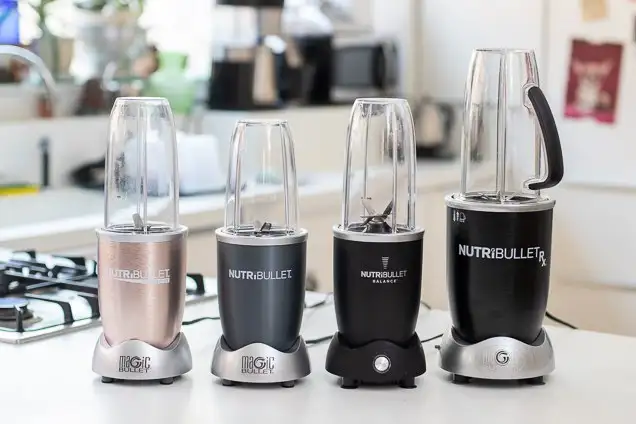
You’re noticing NutriBullet blenders everywhere again because they make healthier habits easy without breaking the bank. They blend leafy greens, frozen fruit, and seeds into smooth, drinkable nutrition in seconds, so you can eat better with minimal effort and expense.
They suit busy schedules and small kitchens, giving anyone a quick way to turn whole foods into meals or snacks. Expect a look at why these compact machines regained popularity and how to pick the model that fits your pace, budget, and typical recipes.

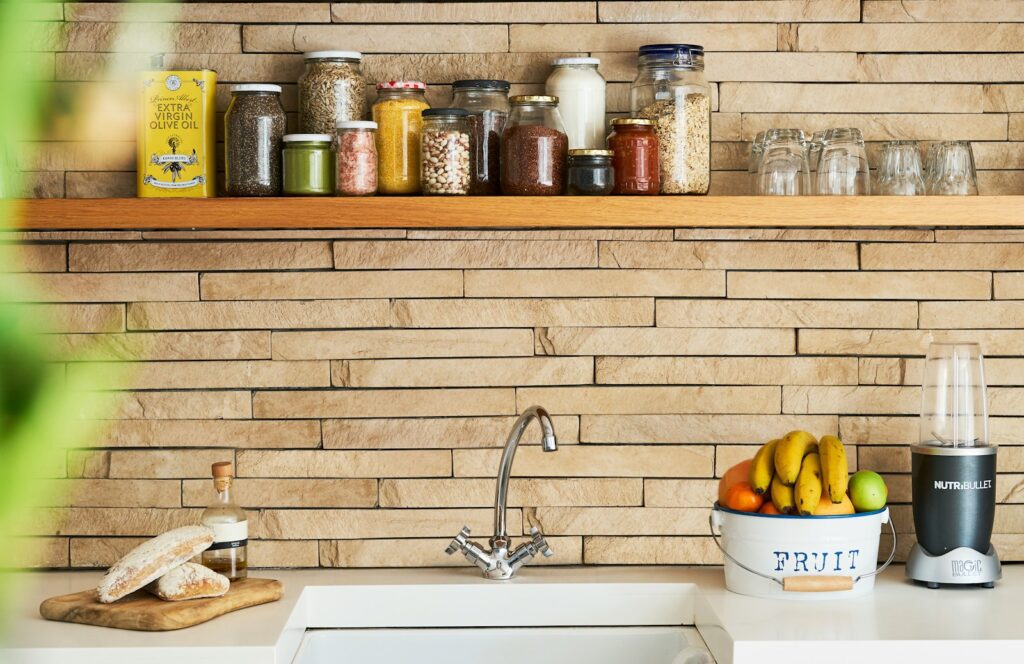
Why NutriBullet Blenders Are Making a Comeback
NutriBullet blenders return to favor because they make blending fast, affordable, and practical for everyday use. They fit small kitchens, support quick meal prep, and compete well against both compact personal blenders and larger countertop machines.
Healthier Eating Made Simple and Affordable
People turn to NutriBullet units when they want reliable nutrients without a steep price. The bullet blender design pulverizes fruits, leafy greens, and seeds into drinkable smoothies in under a minute, which removes a major time barrier to eating more vegetables. NutriBullet personal blenders often cost far less than high-end countertop models, so households can buy one for each person or one for travel without breaking the budget.
The simple controls and single-serve cups reduce decision friction. Users blend directly into the cup, screw on a lid, and take it out the door. That convenience increases the frequency of homemade smoothies, green drinks, and blended soups versus buying prepared options.
Benefits for Busy Lifestyles and Small Spaces
Compact NutriBullet blenders fit easily on crowded countertops and slide into cabinets when not in use. Their small footprint matters for apartment kitchens, dorm rooms, and offices where a full-size blender would be impractical. Lightweight bases and integrated to-go cups mean people blend, seal, and leave in under a minute.
Cleaning takes a minute too: most single-serve cups and lids are dishwasher-safe or rinse clean quickly. Fast cleanup lowers the activation energy to prepare fresh food, which suits commuters, parents packing lunches, and people who want a healthier snack with minimal fuss.
Popularity Compared to Countertop and Personal Blenders
NutriBullet blenders occupy the gap between cheap handheld mixers and expensive countertop blenders. Compared with large countertop machines, many NutriBullet models handle frozen fruit and tough greens well at lower wattages, offering a good performance-to-price ratio. Compared with other personal blenders, NutriBullet often prioritizes torque and simple accessories like multiple cup sizes and blade assemblies.
Reviews highlight models such as the Pro 900 for balancing power and cost, while newer offerings add preset modes and insulation. Consumers choosing between a compact blender and a countertop unit often pick a NutriBullet when they want single-serve convenience without sacrificing the ability to process fibrous ingredients.
Choosing the Best NutriBullet for Your Needs
Pick a model that matches how often they blend, what they blend, and how much counter space they can spare. Power (watts), cup size, and included accessories determine whether a NutriBullet works best for quick protein shakes, batch smoothies, or small food‑prep tasks.
Popular NutriBullet Models and What Sets Them Apart
The NutriBullet Pro (often called the Pro 900) appeals to users who need more torque for frozen fruit and ice. Its 900‑watt motor handles thicker smoothie recipes and makes creamier results than the original 600‑watt personal blenders.
The NutriBullet Select bridges personal and countertop use with variable speed settings and larger jars. It suits someone who wants a 32‑ounce capacity for family smoothies or to batch‑make smoothie bowls. The NutriBullet RX and Blender Combo lean toward heavier duty: the RX adds a short blender pitcher and hot‑soup capability, while some Combo kits include a food processor bowl and extractor blade for nut butters and chopping.
Compact picks like the Flip or personal blender models excel as portable blenders with to‑go lids and 24‑ounce cups for single‑serve shakes. The NutriBullet Baby focuses on small batches and gentle purees for infant food. Those who want multi‑function utility sometimes compare NutriBullet against Magic Bullet or larger best‑blender alternatives in reviews like TechRadar.
Key Features: Power, Capacity, and Versatility
Power determines what they can blend reliably. Motors under 700 watts suit soft fruit and leafy smoothies; 700–1000+ watts crush ice and make nut butters more effectively. Ask whether they need a motor that can run continuously for thicker mixes.
Capacity matters for routine: 24‑ounce and 32‑ounce cups suit single and shared servings respectively. Look for included pitcher or food‑processor bowls when they want to batch salsa, chop vegetables, or grind seeds. Dishwasher‑safe accessories save cleanup time—confirm which lids, cups, and blades specify dishwasher safe.
Versatility comes from blades and attachments. An extractor blade fits smoothies and juicing-style blends; a milling or food‑processing bowl handles chopping and nut butter. Variable speed or pulse functions help control texture for soups, protein shakes, or smoother nut butters. Portability and to‑go lids help those who commute or want a portable blender option.
How NutriBullet Blenders Support Healthier Recipes
NutriBullet blenders simplify incorporating whole foods into daily meals. They make it easy to blend frozen fruit, greens, oats, and seeds into smoothies that replace processed breakfasts or snacks. Using 32‑ounce jars, someone can batch smoothies for multiple meals, reducing reliance on packaged options.
They also handle more than smoothies: a food‑processor attachment and extractor blade facilitate homemade nut butters, salsa, and baby purees without preservatives. Crushing ice and blending frozen fruit expands recipe options for low‑sugar frozen treats. For tracking nutrition, smart models like Balance sync with apps to estimate calories and macros during recipe prep.
Tips for Getting the Most Out of Your NutriBullet
Start with the right blade and cup for the job: use the extractor blade for smoothies and the food‑processor bowl for chopping. Fill jars no more than two‑thirds full to avoid overflow and uneven blending, and layer ingredients—liquids first—to help the motor work efficiently.
Clean blades and cups soon after use; many components are dishwasher safe but sharp blades still require careful handling. For tougher jobs like nut butters, pulse and rest to avoid overheating the motor. When in doubt about model capability, compare wattage and included attachments against desired recipes—protein shakes, smoothie bowls, nut butters, or baby food—before buying.
More from Decluttering Mom: