


For many older adults, the most sobering sign of aging is not the candles on the cake but the box in the attic filled with once “must have” luxuries that no one wants. The status symbols of the early 2000s, from cutting edge gadgets to carefully curated collectibles, now sit unsold at garage sales or languish on online marketplaces. What felt like smart investments or aspirational splurges two decades ago has, in many cases, turned into clutter with little more than sentimental value.
That realization is driving a wave of reflection as people in midlife and beyond reassess what luxury really means. Instead of chasing the next big thing, many are looking back at the items they saved for, financed, or proudly displayed, only to watch them slide into obsolescence or kitsch. The stories they share are a cautionary tale about how quickly technology, taste, and culture can turn “premium” into practically worthless.
When High Tech Becomes Dead Weight

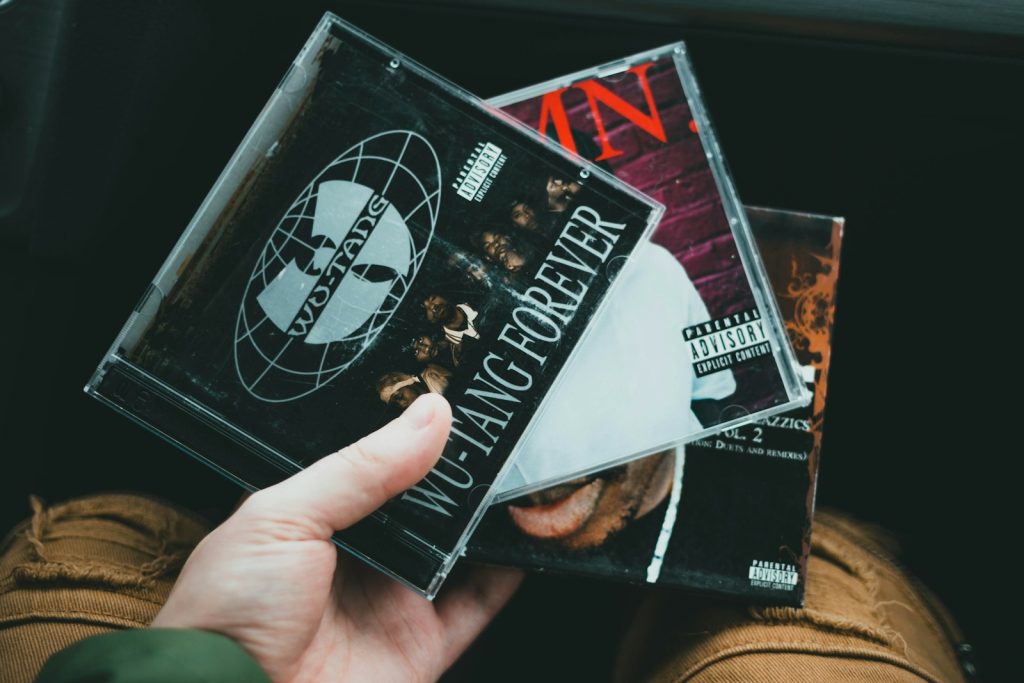
The sharpest sting often comes from technology that once felt futuristic. Older adults recall paying thousands for elaborate home entertainment systems, including 12 disc CD changers and car stereos with built in CD players, that now struggle to compete with a basic smartphone and a streaming subscription. In one widely shared discussion, people contributing to Older Adults Are Recalling The described how those setups were marketed as long term investments, only to become nearly impossible to resell once digital files and Bluetooth took over.
The same pattern shows up in smaller gadgets that once felt like pure indulgence. A contributor in a viral Dec thread pointed to a 1GB thumb drive that was treated as a prized tool for moving a school video project, something that now feels absurdly tiny in an era when phones quietly store hundreds of gigabytes. In a separate roundup of older adults’ memories, people cited car CD players and multi disc changers as peak convenience, only to admit that many newer vehicles no longer include any disc slot at all, a shift captured in the Luxury Items conversations.
From GPS Units To Razors: Status Symbols That Lost Their Shine
Beyond audio gear, entire categories of once aspirational tech have been eclipsed. Standalone GPS units that drivers proudly mounted on dashboards, and paid to update with new maps, are now largely redundant in a world where navigation apps come preinstalled on phones. A creator discussing Luxury items that are considered worthless in 2026 highlighted how those devices, once a sign that someone took road trips seriously, now gather dust in glove compartments. The same video points to Motorola Razors, which were treated as sleek fashion statements, as another example of a product that went from coveted to quaint in a single smartphone cycle.
Other commentators have broadened that lens, noting that the expensive “luxury tech” of the early 2000s, from high end portable music players to elaborate in car systems, has been swallowed by the all in one power of modern phones. A feature on people remembering the expensive luxury tech of that era describes how items that once signaled cutting edge taste now look like museum pieces. A follow up segment on GPS units and Razors underlines that the very features people paid extra for, such as turn by turn directions or ultra thin flip designs, are now baseline expectations in mid range phones.
Collectibles, “Investment” Purchases, And The New Meaning Of Luxury
The disappointment is not limited to electronics. Many older adults are also reckoning with decorative items and keepsakes that were sold as heirloom quality. A detailed look at Collector Plates and similar memorabilia explains how trends, technology, and changing tastes have gutted the resale market for pieces that once came with certificates of authenticity and promises of future value. Instead of appreciating, those collections now often struggle to fetch even a fraction of their original price at estate sales.
That same sense of regret surfaces in conversations where older adults revisit the “big ticket” splurges of their youth. In one widely shared piece, people contributing to Older Adults Are Recalling The described how they once equated luxury with owning the latest product line, whether that meant a top tier stereo, a designer branded gadget, or a limited edition collectible. Now, many say they would rather spend on experiences or durable essentials than on items that risk becoming tomorrow’s trash. The shift is visible even in how people browse for a new product, with more attention on longevity and repairability than on flashy add ons.
Even within nostalgic roundups, there is a clear undercurrent of learning. A feature collecting stories under the banner Years Ago That Are Basically Worthless Trash Today notes that many contributors are not just laughing at their old purchases, they are rethinking what they buy now. Some say they are wary of any pitch that frames a consumer good as an “investment,” whether it is a limited run gadget or a decorative collectible. Others, echoing the tone of Jan style commentary on luxury, argue that true comfort in later life comes less from owning the latest thing and more from having fewer, better chosen possessions that will not be obsolete before the warranty runs out.
More from Decluttering Mom: