


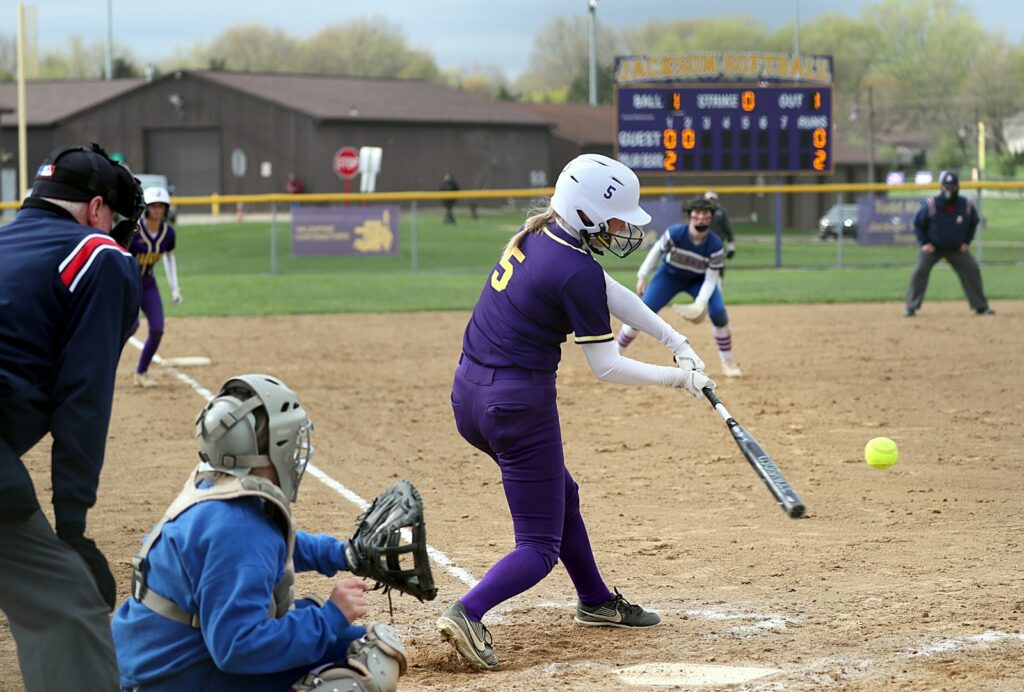
During a coed softball game, an unexpected and awkward encounter unfolded when an older man approached a player, igniting a conversation that quickly took a troubling turn. The scene was casual—players were warming up, preparing for the game ahead—but what happened next made the atmosphere heavy and uncomfortable.
The player, who was serving as designated hitter, was minding her business near the bench when the man, referred to as “the boomer,” walked over asking about the type of league they were playing in. It seemed innocent at first, with the boomer inquiring whether it was fast pitch or slow pitch. When she confirmed it was slow pitch, the boomer’s tone shifted. Instead of moving on, he remarked on the lack of trash talk, leading to an unexpected and offensive stereotype about Black players.


“Because the blacks always talk trash,” he said bluntly. The player couldn’t believe what she was hearing. It wasn’t just the offensive comment itself that left her speechless; it was the casualness with which he delivered it.
As if trying to brush off his words, the boomer sarcastically apologized for being racist, claiming, “I’m joking; they’re fine. It’s the street thugs I don’t like.” At this moment, it became painfully clear that he was not only unaware of how inappropriate his remarks were but also felt justified in his views. One of the team’s Black players was right on the field, serving as the shortstop, making the encounter even more cringeworthy.
Left in shock, the player managed a weak response as the boomer walked away, leaving a trail of discomfort in his wake. The casualness of his bigotry, mixed with a lack of empathy, painted a clear picture of an outdated mindset that doesn’t seem to realize the harm it can cause.
Following the incident, people had very different reactions on Reddit when this story was shared. Some thought the boomer’s comments echoed a pervasive ignorance that still exists in society. They expressed disbelief that someone could casually make such sweeping generalizations without consequence. Others pointed out how the boomer’s comments mirrored attitudes they had encountered before, suggesting that this kind of behavior is not just a fluke but rather reflects a broader cultural issue.
Some users even reflected on their own experiences in sports, sharing stories of how racial stereotypes often emerged in their own games. They emphasized how important it is for teammates and spectators alike to challenge such statements in the moment, rather than letting them slide.
Meanwhile, others were more focused on the player’s reaction—or lack thereof—to the offensive remarks. Some commenters suggested she could have responded more assertively, highlighting how conversations around race demand both sensitivity and courage. It was a reminder that in such uncomfortable situations, silence can sometimes feel like complicity.
As the thread continued, the discussion meandered into the complexities of addressing racism—especially when it surfaces unexpectedly in places like a softball game. The general agreement was that the boomer’s comments were out of line, yet the reactions varied. Some felt angry, while others simply shook their heads in resignation, recognizing that change often comes slowly.
What remains unsettling is the fact that casual racism persists, even in seemingly benign environments like community sports. Is it possible to change such deeply ingrained attitudes, or are they simply baked into the societal pie? The conversation reflects ongoing challenges that many still face when confronting prejudice head-on. It leaves one wondering how often these encounters go unchallenged.
More from Decluttering Mom: