


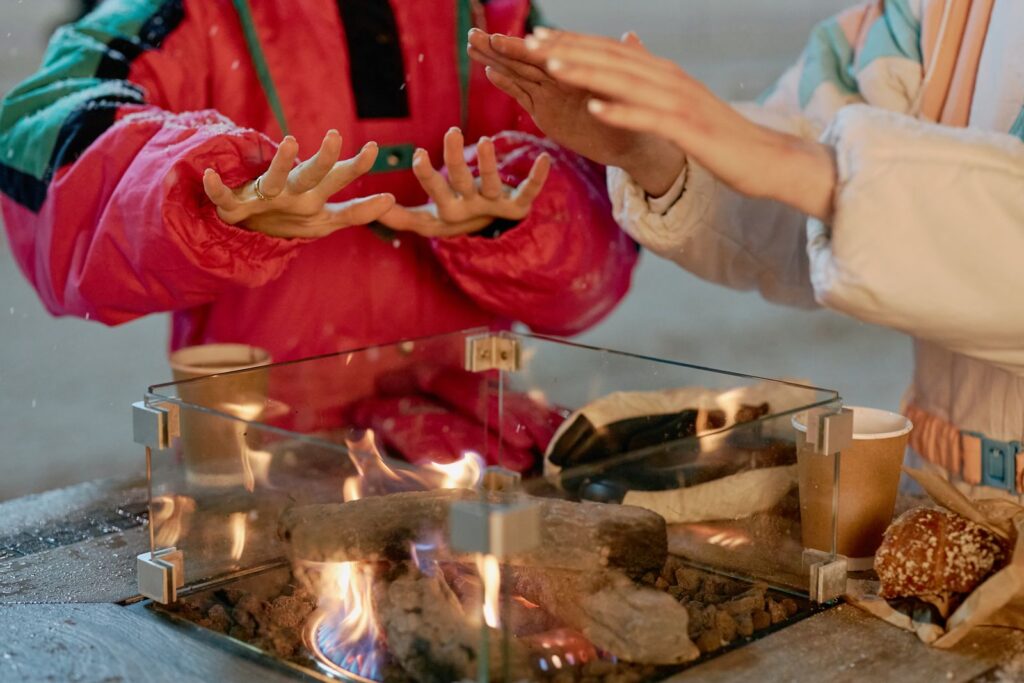
Federal regulators have issued two separate warnings this year telling consumers to stop using tabletop fire pits immediately, after one death and dozens of burn injuries tied to a hazard called “flame jetting,” in which the small, alcohol-fueled pits can shoot flames or spray burning fuel without warning. The warnings, covering the Houswise and Rozato brands, come as the tabletop fire pit category has exploded in popularity for fall patio nights.

Key Points
- The Consumer Product Safety Commission’s July 16, 2026 warning covers at least 53,500 Houswise tabletop fire pits, tied to more than two dozen reports and seven injuries, including third-degree burns.
- An earlier April 2, 2026 warning on Rozato tabletop fire pits reported one death and multiple serious burn injuries.
- Both products can throw flames that reach over 1,600°F, capable of causing third-degree burns in under a second, per CPSC.
- The hazard, known as flame jetting, most often strikes when someone tries to refuel or relight the pit while it’s still hot, igniting fuel vapor in the container and turning it into a small explosion of burning liquid.
- Rozato, the retailer behind that brand, has not agreed to a formal recall despite the severity of the reports, according to CPSC.
What’s Included
- Houswise models sold as Vesper, Altair, Quad, and Astra, sold through Houswise.com, Amazon, Walmart.com, and other online retailers since March 2023.
- Rozato tabletop fire pits sold through Rozato.Store, Amazon, StoreDune.com, StovesDirect.com, RetailMarket.net, and similar sites since 2022, typically priced between $15 and $70.
- Both brands use liquid or gel fuel poured into an open reservoir rather than propane or natural gas lines, which is the design feature behind the flame-jetting risk.
What Consumers Should Do
- Stop using either fire pit immediately and unplug or extinguish it. Do not attempt to refill or relight it under any circumstances.
- Dispose of the unit rather than storing it for later use; CPSC’s guidance is disposal, not repair.
- Do not sell, donate, or give away these fire pits, since doing so passes the same hazard to someone else.
- Never add fuel to a fire pit that’s already lit or still warm, regardless of brand; this is the single most common trigger for flame jetting across tabletop models generally.
- Report any incident at SaferProducts.gov, which helps CPSC track additional cases tied to these and similar products.
Tabletop fire pits have become a fixture of fall patio setups precisely because they’re small, portable, and don’t require a gas line, but that same open-fuel-reservoir design is what makes flame jetting possible in the first place, and regulators say the risk is severe enough that the only safe option for these two brands is to stop using them entirely.