It is one of those numbers that makes you stop and think about your own kitchen table. Only 46% of Americans say they have enough money set aside to cover three months of expenses, according to a new survey from the Pew Research Center.

The rest, 53%, do not. And while a closet full of unused stuff will not replace a real savings account, it may be a place to find some cash you had overlooked.
The Survey Behind The 46% Figure
The numbers come from Pew’s American Trends Panel, Wave 198, and the topline results are posted on the Pew Research Center website. The survey included 5,166 respondents and has a margin of error of plus or minus 1.6 percentage points.
According to Pew, 46% of respondents say they have a three-month emergency fund. Fifty-three percent say they do not.
A year ago the picture looked slightly better. In November 2025, 50% of Americans said they had a three-month fund, so the share has slipped by about four points.
Many People Are Saving, But Also Squeezing
The same survey asked about everyday money habits. Pew reports that 45% of Americans saved money over the past year.
At the same time, 70% say they cut back on extras. That means a lot of households are trimming their spending while trying to stay ahead of surprise bills.
Another figure stands out. Pew found that 27% borrowed money from friends or family. For many people, the emergency fund is not an abstract goal, because the washer breaks or the car needs a repair and someone has to cover it.
Why Three Months Is The Number People Talk About
Financial educators commonly suggest a cushion that covers about three to six months of essential costs, such as housing, food, utilities and insurance. The idea is that a job loss, a medical bill or a major home repair will not force you into debt.
That target can sound far away. If your monthly bills run to a few thousand dollars, three months of them is a big pile of money to build from nothing.
The usual advice is to start small. Even a first goal of a few hundred dollars can keep a flat tire from turning into a credit card balance, and you can grow it from there.
The Closet Idea: A Cushion You May Not Have Counted
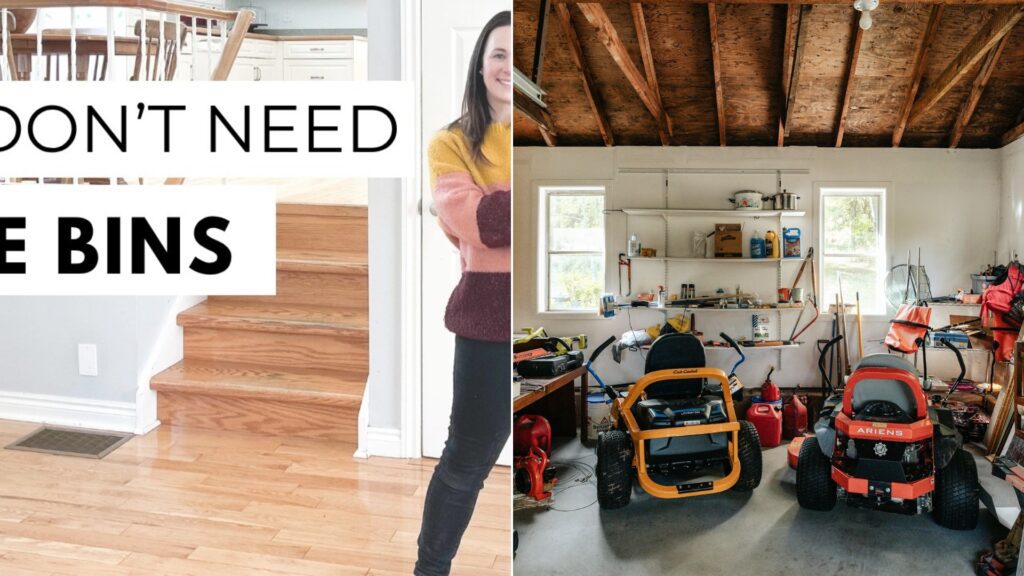
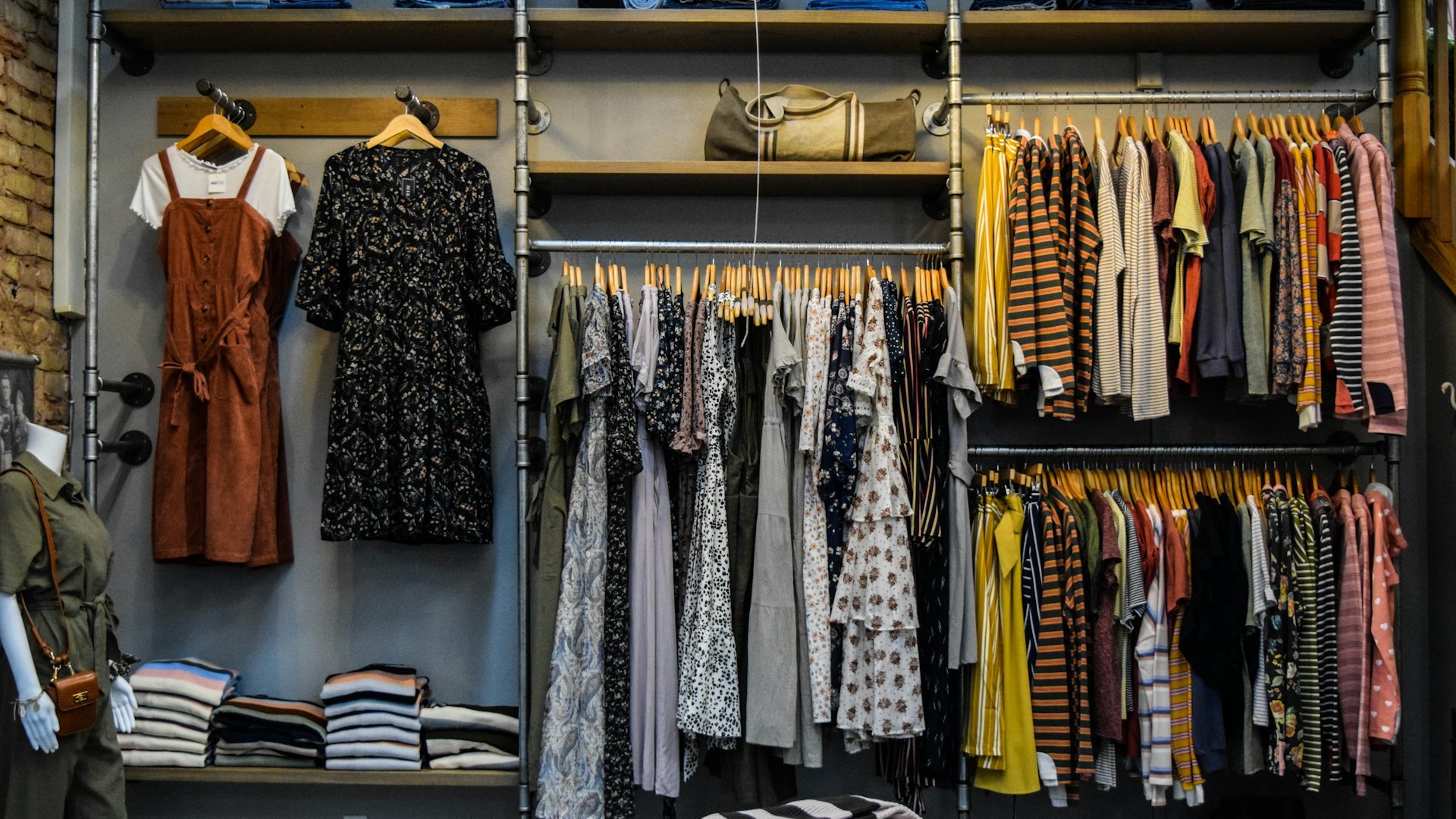
Here is where we add our own thought, and it is not something the Pew survey measured. Many households have hundreds, sometimes thousands, of dollars of unused items sitting in closets, garages and basements.
Think about the exercise bike that holds laundry, the extra set of dishes, the bread machine, the designer purse you never carry and the tools that belong to a project you finished years ago. All of it has some resale value, and none of it is earning its keep.
Selling a few things will not build a full emergency fund overnight. But a one-time boost of cash can jump-start one, and it comes without the stress of cutting the grocery budget even further.
Stop Paying To Store What You Do Not Use
Some families pay a monthly fee for a storage unit full of boxes they have not opened in years. Over a full year, that rent adds up to real money, and it keeps buying space for items that are only losing value.
Take a hard look at what is inside. If you would not buy it again today, it is a good candidate for selling, donating or letting go.
Even if you keep the unit, clearing out half of it might let you move to a smaller size. That is a cost that shrinks every month after.
How To Turn A Closet Into A Starter Fund
Start with one shelf or one box, not the entire house. Pull out everything you have not used in the past year, and sort it into keep, sell and donate piles.
For the sell pile, concentrate on things that sell well and are easy to ship or hand off locally.
– Electronics, small appliances and kitchen gear in working order. – Name-brand clothing, shoes and handbags in good condition. – Tools, sports equipment and musical instruments. – Toys, books and collectibles, when they are complete and clean.
Take clear photos in daylight, write an honest description and price items a little under what similar ones sell for. Meet buyers in a public place, and be careful about any request to pay with a gift card or send money in advance.
Put The Money Somewhere It Cannot Be Spent
When the cash comes in, move it right away into a savings account that is separate from your checking. Out of sight is out of mind, and the point is to protect it for an emergency.
Many people find it helps to name the account something specific, like “car repair” or “new roof.” Then each sale becomes a visible step toward a goal.
Keep the habit going too. Each time you buy something new, ask whether it replaces something you could sell, and put the proceeds into savings.
The Bottom Line
Pew’s numbers say fewer than half of Americans have a three-month cushion, and a growing share of households are cutting back to get by. You do not need to solve that problem in a weekend.
But if you open a closet today and find a box of things you will never use, you may be looking at the first deposit. Sell what you can, save what you earn and give your future self some breathing room.
More Stories You May Like
- Certified Decluttering Pro Living With Three ADHD Brains Says Removing 15 Items In 15 Minutes Daily Adds Up To 465 Items Gone By The End Of October
- She Dumped Her Entire Wardrobe Onto The Bed After Going Through Three Different Sizes In One Year And Fixed Her Closet During One Nap Time
- About One In Four Americans Pays To Rent A Storage Unit And The Top Reason Is Not Enough Room At Home, So Are You Paying Monthly To Keep Stuff You Never Use