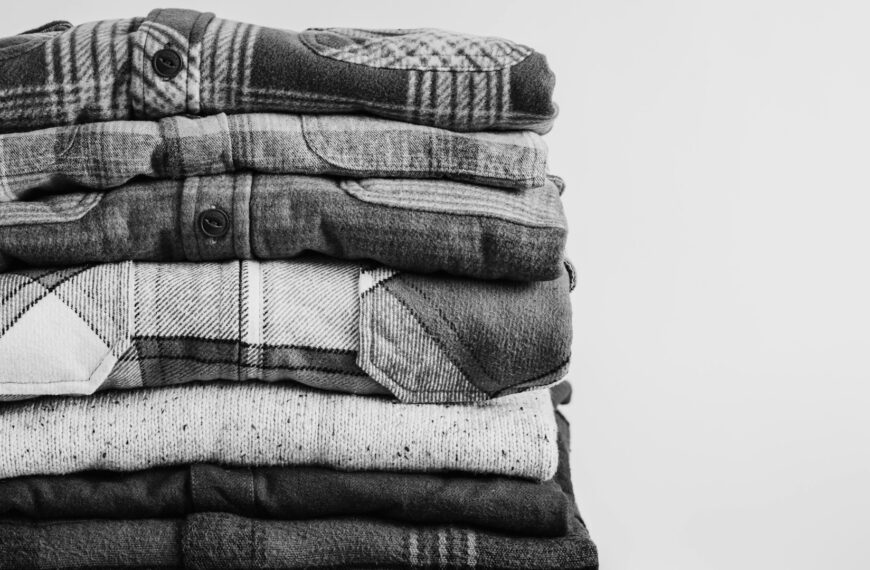
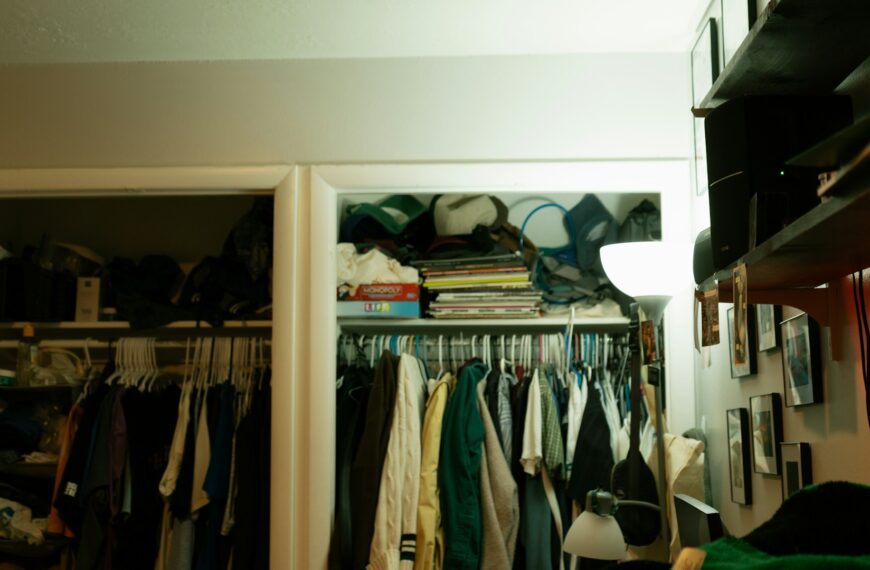
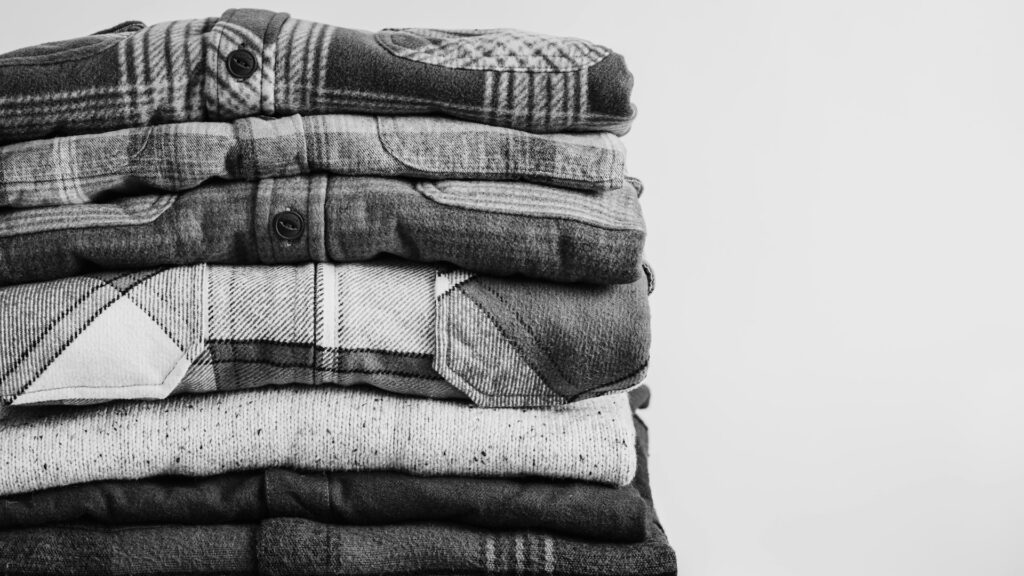
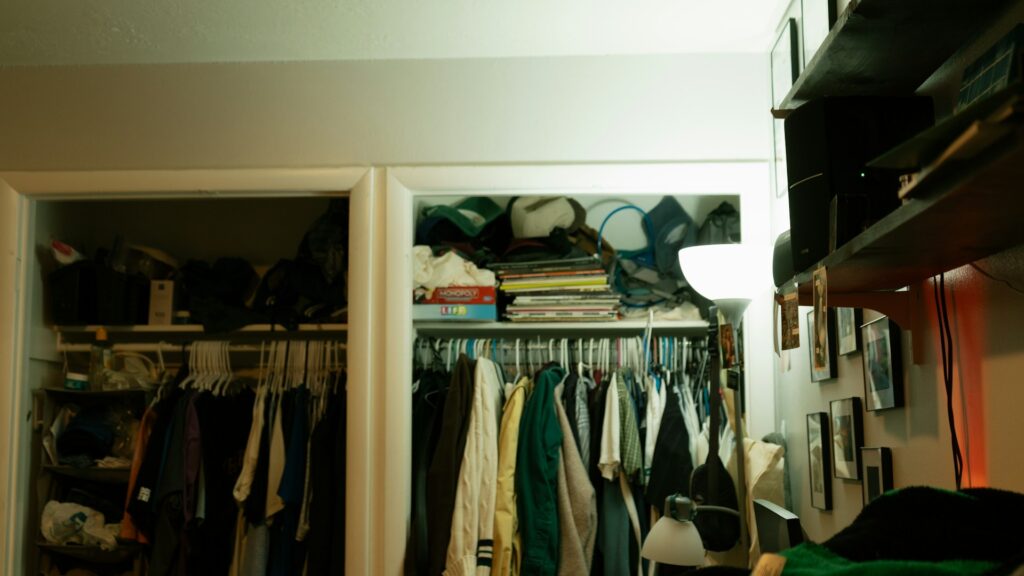
You stand in front of a closet crammed so tightly that the hangers refuse to slide, and you still announce that you have nothing to wear. So off you go to the mall, and you come home with another black cardigan. You open the closet, squeeze it in, and there, three hangers down, sits its twin. Sound familiar? An overstuffed closet is one of the sneakiest ways to waste money, because you cannot buy wisely for a wardrobe you cannot see.
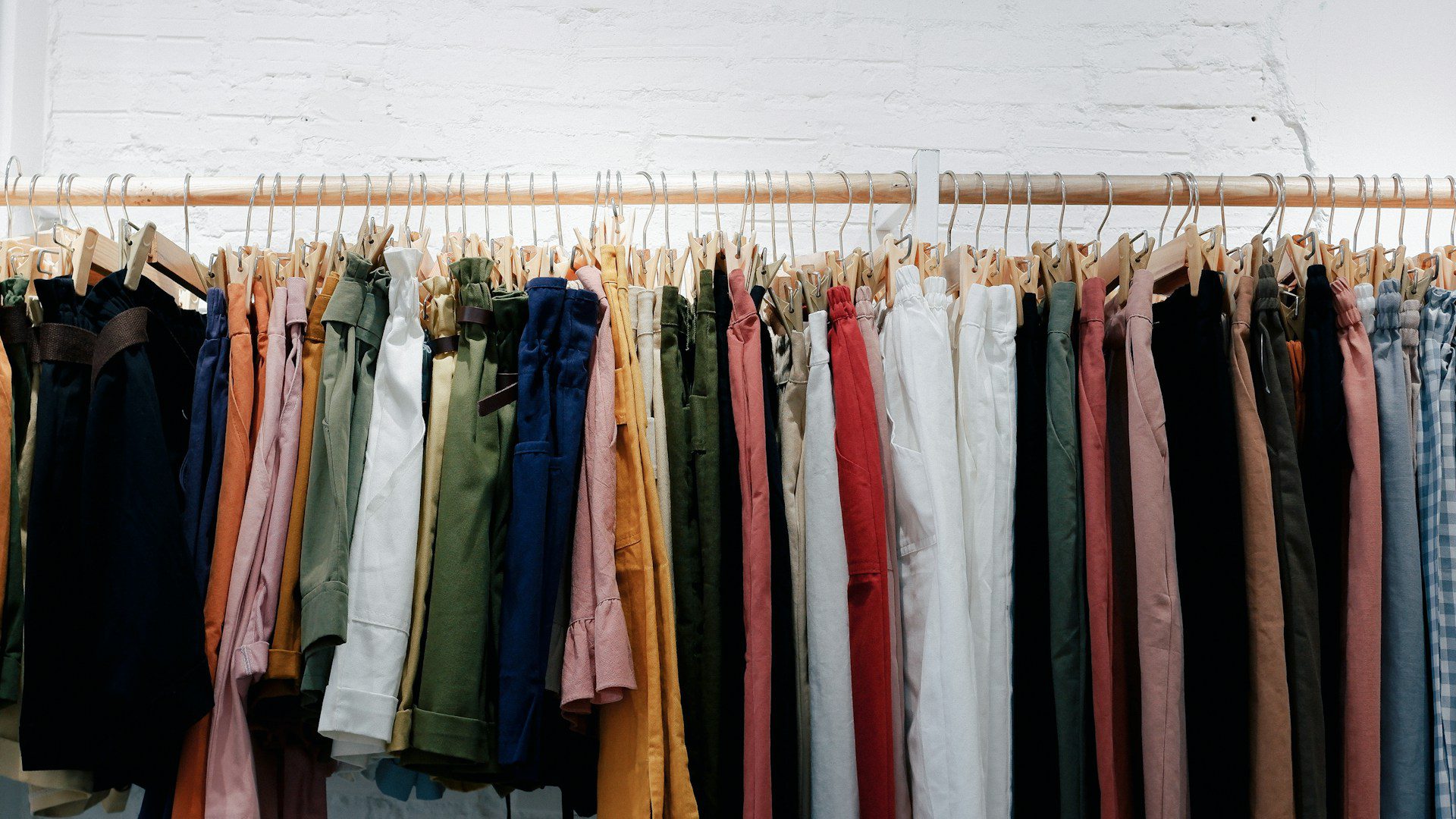
The problem is simple. When clothes are packed shoulder to shoulder, the things you love get buried behind the things you forgot. Out of sight really does mean out of mind, so you keep reaching for the same handful of favorites while the rest hang there like wallpaper. Then a sale sign catches your eye, you think you need a basic white blouse, and you buy one even though two are hiding in the back. Multiply that by a few seasons and you have a closet full of duplicates with the tags still on some of them.
Why a Packed Closet Costs You Money
Duplicates are the obvious cost, but they are not the only one. Clothes you never wear still take up space in your home, and space is not free. They also quietly drain your budget in smaller ways: the “just in case” pieces that never fit right, the impulse buys that did not match anything, and the items you replace because you simply could not find the original.
There is a time cost, too. Digging through a jammed closet every morning is a stressful way to start the day. When every option is buried, getting dressed turns into a daily argument with yourself, and shopping starts to feel like the only fix.
Try the One In, One Out Rule
The idea behind “one in, one out” could not be easier. Every time something new comes into your closet, something old has to leave. Bought a new pair of jeans? Then a worn-out pair goes to the donation bag or the resale pile. It keeps the total from creeping up, and it makes you think twice at the checkout, because you have to name what you are giving up.
Here is how to make it stick:
- Keep a donation bag or box at the bottom of the closet at all times, so a decision to let something go never has to wait.
- Make the swap right away. Do it the day you bring the new item home, before the old one gets a chance to slip back onto the hanger.
- Swap like for like when you can. A new sweater replaces an old sweater, a new pair of shoes replaces an old pair of shoes.
- If nothing is ready to leave, that is useful information. It may mean you do not need the new item after all.
Shop Your Closet Before You Shop the Mall
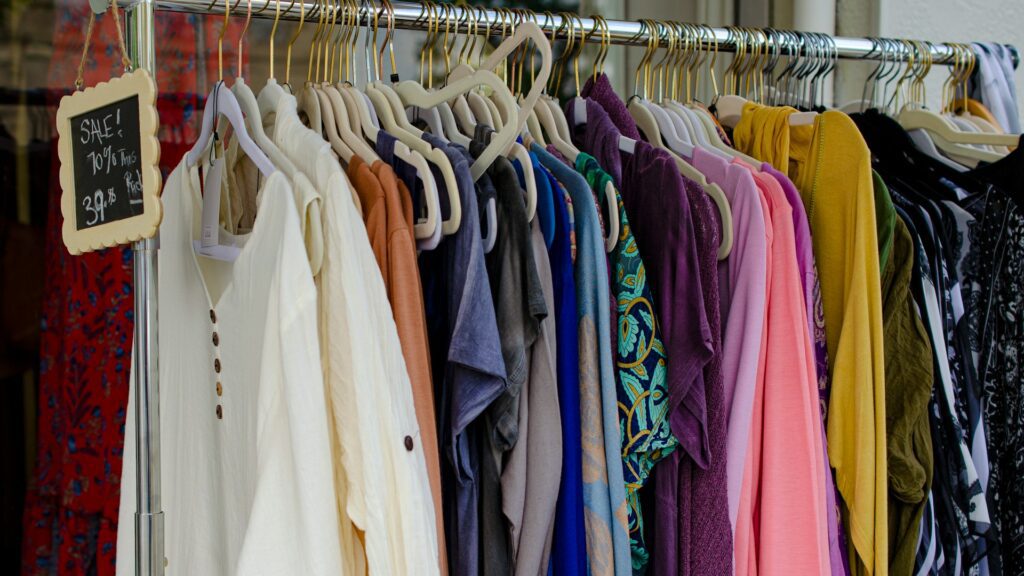
Before you buy anything, take a few minutes to shop what you already own. This is the part that really protects your wallet. Pull everything out of one section of the closet, such as tops, and lay it on the bed. Group similar pieces together. You will probably be surprised at how many near-identical items show up, and just as surprised by the outfits you forgot you could make.
Then try these steps:
- Pull out anything that does not fit, is damaged beyond repair, or that you have not felt good wearing in a long time.
- Put your best pieces at the front where you can see them, and hang similar items together so duplicates stand out.
- Try a few new combinations. A top you always wear with one pair of pants might look great with another.
- Write down what is truly missing, if anything. A short list in your phone keeps you focused when you are out shopping.
Keep that list handy. When you are standing in a store, holding something that looks wonderful, ask yourself whether it is on the list or whether you already own something like it. If you are not sure, wait a day. A good piece will still be there tomorrow, and the urge to buy often fades overnight.
What to Do With the Extras
Letting go is easier when you know the clothes are going somewhere useful. Items in good shape can be donated, handed to a friend or relative who has asked for them, or sold through a consignment shop or an online resale app. Pieces that are stained or worn through can be turned into cleaning rags. Do not let a “maybe” pile become a second closet in the garage. Give yourself a short window, and when it is up, the pile goes out the door.
Make It a Habit, Not a Project
You do not need a whole weekend or a dramatic purge. Start with one shelf or one rod. Once you can see what you own, you will shop with a clear head and a smaller budget worry. A closet with a little breathing room is easier to keep tidy, easier to dress from, and far less likely to send you back to the mall for something you already have.
So the next time you feel the urge to buy something new, open the closet first. Look at what is there, ask what could leave to make room, and see if you still want it. Your wallet, and your closet, will thank you.
More Stories You May Like
- Minimalism Author Joshua Becker Shares the Powerful Question to Ask When Decluttering That Pushes Past Your Comfort Zone
- Mom Deep Cleans the House She Already Knows She Will Not Get to Keep After Her Divorce and Explains Why She Is Choosing a Fresh Start for Her Kids
- Consuming Too Much Decluttering Advice Can Make Decluttering Feel Harder, Because Your Brain Gets Overloaded If You Never Act On It