


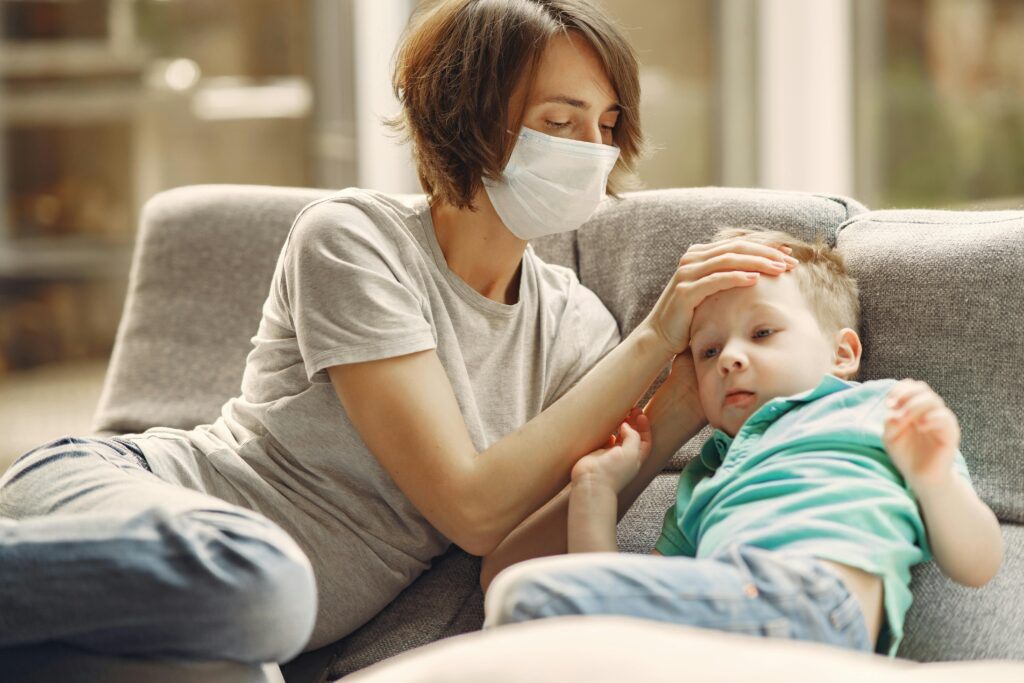
A parent’s exhaustion has reached a critical point after their 12-month-old child has been suffering from a severe stomach bug for days, leaving trails of destruction across their home. The relentless cycle of diaper blowouts happening five times daily has transformed routine caregiving into an overwhelming battle against constant messes on clothes, carpet, and furniture.
When a stomach bug strikes a one-year-old, the resulting diarrhea can quickly overwhelm even the most prepared parents, with frequent accidents that escape diapers and create cleanup challenges throughout the home. The physical and emotional toll of managing this situation has pushed one caregiver to their limits as they navigate sleepless nights and endless loads of laundry.
The family’s struggle highlights what many parents face when norovirus symptoms hit babies and toddlers, turning ordinary days into survival mode. Between the anxiety of monitoring their child’s health and the practical nightmare of containing the mess, this parent’s experience reveals the hidden challenges that come with caring for a sick infant during what appears to be part of the current surge in cases affecting families nationwide.
Understanding the Stomach Bug and Its Impact on Young Children

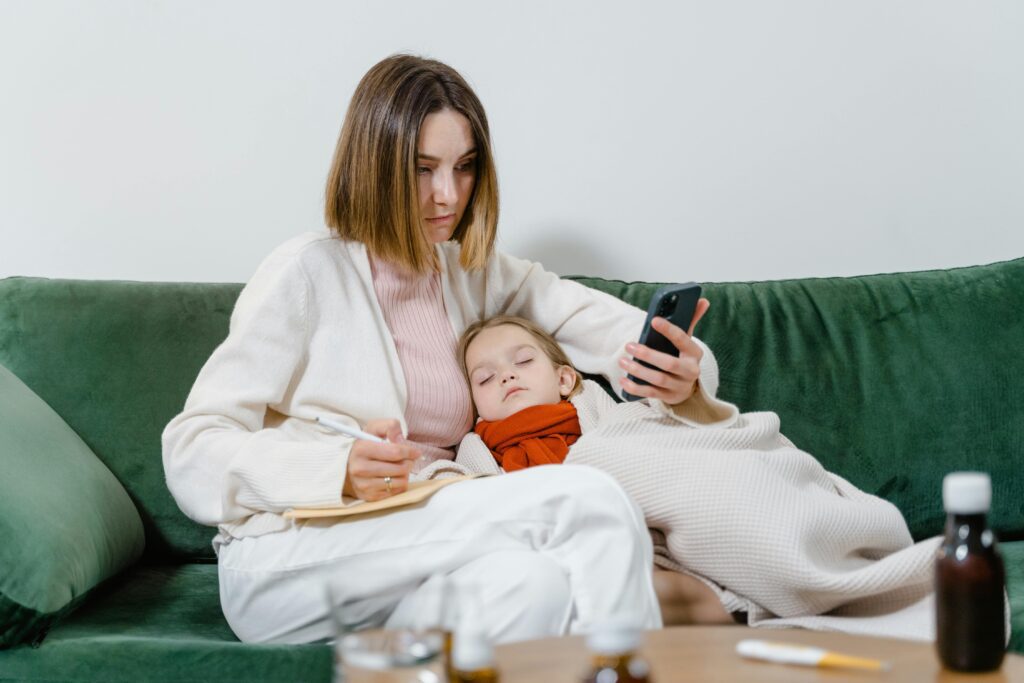
Viral gastroenteritis strikes toddlers with particular severity, causing rapid-onset diarrhea that overwhelms even the most absorbent diapers. The combination of liquid stools and a 12-month-old’s inability to communicate discomfort creates chaos that extends from changing tables to living room carpets.
What Causes Severe Diarrhea and Frequent Diaper Blowouts in 12-Month-Olds
A 12-month-old’s digestive system reacts violently when viruses or bacteria invade the intestinal lining. The infection triggers inflammation that prevents proper water absorption, turning normal stool into watery liquid that fills diapers within minutes.
The sheer volume and frequency catch parents off guard. Where a typical diaper change happens every few hours, stomach bugs produce bowel movements every 30 to 60 minutes. The liquid consistency bypasses diaper barriers designed for solid waste, leaking up the back and down the legs.
Toddlers at this age consume mostly liquid diets of formula or breast milk mixed with soft foods. When gastroenteritis strikes, everything passes through the system unprocessed. The combination of high fluid intake and complete intestinal disruption creates the perfect conditions for explosive diarrhea that no diaper can contain.
Why Diaper Explosions Happen: Connection to Viral Gastroenteritis
Viral gastroenteritis attacks the intestinal walls, destroying the cells responsible for absorbing nutrients and water. The damaged tissue secretes excess fluid into the bowel, multiplying stool volume by three to five times normal amounts.
The virus also speeds up intestinal contractions, pushing waste through before diapers can absorb the liquid. A 12-month-old produces roughly 10 to 15 ounces of watery stool per episode during active infection. Standard diapers hold about 7 to 10 ounces before leaking.
Gas production increases dramatically as bacteria in the gut ferment undigested sugars. This creates pressure that literally propels liquid stool out with force, sending it beyond the diaper’s containment barriers and onto clothing, car seats, and furniture.
Common Culprits: Norovirus, Rotavirus, Adenovirus, and Bacterial Infections
Norovirus causes most stomach bugs in young children, spreading through daycare centers and playgroups with remarkable efficiency. The virus survives on surfaces for days and requires only 18 viral particles to cause infection.
Rotavirus previously dominated pediatric gastroenteritis cases before widespread vaccination. Unvaccinated or partially vaccinated toddlers still contract it, experiencing five to eight days of profuse diarrhea and vomiting.
Adenovirus presents a longer illness course, with diarrhea persisting up to two weeks. The symptoms develop more gradually than norovirus but prove equally disruptive to daily life.
Bacterial infections from salmonella, campylobacter, and e. coli occur less frequently but produce bloodier, more foul-smelling diarrhea. Food poisoning from contaminated table foods becomes more common as 12-month-olds transition to solid diets.
Signs to Watch For: Norovirus Symptoms, Stomach Flu, and Food Poisoning
The sudden onset of vomiting and diarrhea signals a stomach bug rather than other illnesses. A baby playing normally one hour vomits forcefully the next, followed by watery diarrhea within two to four hours.
Norovirus symptoms hit hardest in the first 24 to 48 hours. The child experiences multiple vomiting episodes that taper off, while diarrhea continues for three to five days. Mild fever between 100°F and 102°F accompanies the gastrointestinal symptoms.
Food poisoning from bacteria causes different patterns. Campylobacter creates cramping and bloody diarrhea starting two to five days after exposure. Salmonella produces high fever alongside diarrhea, while e. coli causes increasingly severe abdominal pain.
The stomach virus differs from respiratory flu, which brings coughing, congestion, and body aches. True stomach flu focuses exclusively on the digestive tract, though young children sometimes vomit with respiratory infections too.
Surviving the Mess: Practical Tips for Parents Facing Diaper Disasters
When a stomach bug hits a 12-month-old, parents find themselves in an exhausting cycle of constant cleaning and worry. The reality of five daily blowouts means dealing with ruined clothes, stained carpets, and soiled furniture while trying to keep a sick toddler hydrated and comfortable.
Managing Five or More Diaper Blowouts a Day: Cleaning Clothes, Carpet, and Furniture
Parents dealing with multiple daily blowouts quickly learn that regular cleaning methods don’t cut it. Many discover that keeping a bucket of cold water in the bathroom becomes essential for pre-soaking clothes before washing them.
The carpet takes the biggest hit during these episodes. Families report going through entire bottles of enzyme cleaner in just days, scrubbing the same spots repeatedly as new accidents happen. Some parents find themselves laying down disposable changing pads on every surface where they change their child, yet messes still escape onto furniture.
Furniture cleaning becomes a daily task. Parents learn to strip couch cushions immediately and treat them with stain removers designed for biological messes. The cleanup process for frequent blowouts tests even the most patient caregivers. Many families keep spray bottles of diluted bleach solution ready for quick disinfection of hard surfaces between the constant diaper changes.
Keeping Your Child Comfortable and Preventing Dehydration
A toddler with a stomach bug often refuses their usual foods and drinks. Parents watch helplessly as their child becomes increasingly lethargic and irritable. The frequent diarrhea strips away fluids faster than most parents realize.
Keeping the child’s bottom clean becomes challenging with so many changes. Many caregivers find that traditional diaper cream isn’t enough and switch to barrier pastes. Some resort to letting their child go diaper-free for short periods to allow irritated skin to air out, despite the risk of more messes.
Parents notice their child’s energy drops significantly. The toddler who normally climbs everything suddenly wants only to be held. Sleep patterns get disrupted as the child wakes uncomfortable and needing changes throughout the night.
Oral Rehydration Solutions, Pedialyte, and Watching for Fewer Wet Diapers
Doctors typically recommend oral rehydration solutions when stomach bugs cause frequent diarrhea. Parents find themselves offering Pedialyte in various forms—from popsicles to flavored drinks—trying anything to get fluids into their child.
Key dehydration warning signs parents watch for:
- Fewer wet diapers than usual
- Dry mouth and lips
- No tears when crying
- Sunken soft spot on the head
- Dark yellow urine
Many toddlers refuse to drink oral rehydration solution because of the taste. Parents get creative, mixing it with small amounts of juice or offering it frozen. Some find success with small, frequent sips rather than trying to give full bottles at once. The challenge intensifies when the child also experiences vomiting alongside the diarrhea, making it harder to keep any fluids down.
Healthcare providers often tell parents to track diaper output carefully. Fewer wet diapers signal that the child isn’t getting enough fluids, which can quickly become dangerous in small children.
Protecting Your Home and Family From the Spread of Stomach Viruses
Stomach viruses spread easily through households. Parents find themselves sanitizing constantly, knowing that one missed surface could mean the whole family gets sick. Door handles, light switches, and toys all become potential transmission points.
The laundry situation becomes overwhelming. Contaminated clothes and linens need washing separately in hot water with bleach when possible. Some families run multiple loads daily just to keep up with the soiled items. Hand washing takes on new importance, with parents scrubbing after every diaper change and before touching anything else.
Despite best efforts, many families report that other household members still get sick. The virus can survive on surfaces for days, making complete prevention nearly impossible when caring for an actively ill child. Parents try to limit the sick child to certain areas of the home, but a mobile 12-month-old doesn’t understand quarantine.
More from Decluttering Mom: