



Family dinners are supposed to bring everyone together, but for one parent, a recent gathering with extended relatives turned into an uncomfortable situation. When family members began openly criticizing her parenting decisions at the dinner table, what should have been a pleasant meal quickly became tense and awkward.
The incident highlights how family dinners can shift from comfortable to confrontational when relatives feel entitled to comment on parenting choices. She found herself in the middle of unwanted advice and judgment while trying to enjoy time with family.
The situation eventually forced her to make a decision about whether to stay silent or speak up. What happened next revealed the challenges many parents face when navigating criticism from extended family members during what should be relaxed gatherings.

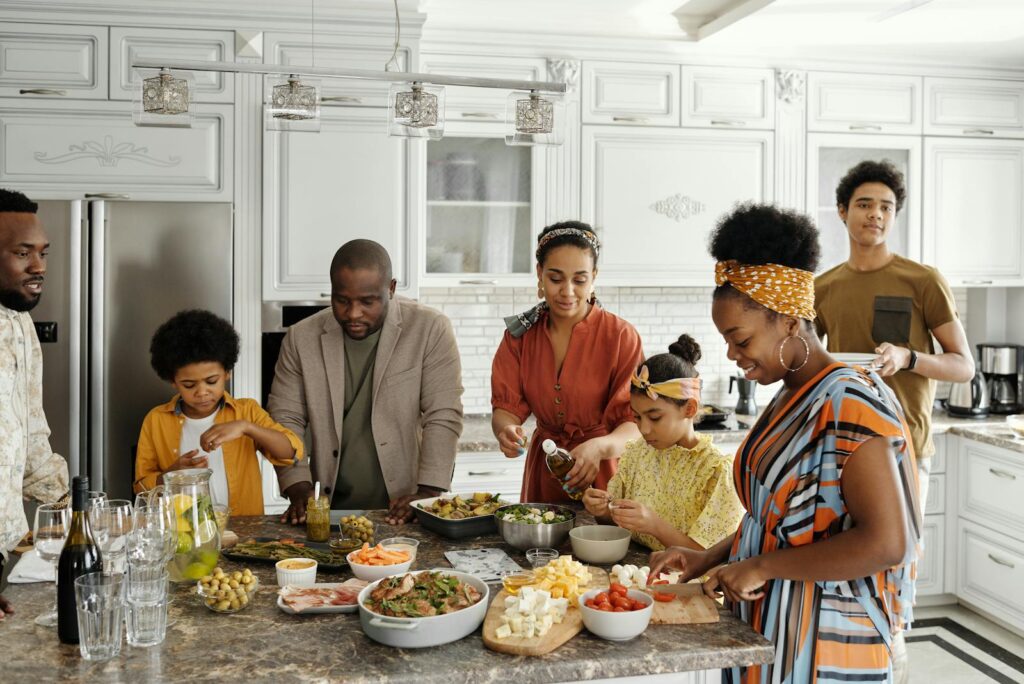
When Family Dinners Get Awkward: Criticism Of Parenting Choices
Extended family gatherings often become tense when relatives question how parents raise their children, particularly around discipline approaches, screen time limits, and daily routines. These confrontations can leave parents feeling defensive while creating uncomfortable moments for everyone at the table.
Common Triggers For Parenting Criticism At Family Gatherings
Discipline methods frequently spark debate when grandparents or other relatives witness parents handling misbehavior differently than they would. A parent who chooses timeout over spanking might face comments about kids needing “real consequences.” Screen time policies also draw criticism, especially when relatives judge parents for using devices to manage restless children during meals.
Bedtime routines and dietary choices rank high among contentious topics. When kids stay up later than older generations think appropriate, someone usually mentions how “kids these days” lack structure. Food battles emerge when parents accommodate picky eaters or follow specific dietary restrictions.
Common criticism triggers include:
- Discipline techniques and consequences
- Technology and screen time usage
- Sleep schedules and bedtime enforcement
- Food choices and mealtime behavior
- Educational decisions and extracurricular activities
How Public Critique Impacts Parents And Kids
Parents report feeling blindsided when in-laws criticize their parenting at dinner in front of other family members. The public nature of these comments creates pressure to either defend their choices immediately or stay silent to keep peace. Many parents describe physical reactions like racing hearts and stomach knots when relatives question their methods.
Children pick up on tension during these exchanges, even when adults try hiding disagreements. Kids sense when adults disapprove of their parents, which can undermine parental authority. The criticism affects family dynamics beyond the dinner itself, leaving parents hesitant about future gatherings.
Parenting Styles And Philosophy Behind The Tension
Generational differences in parenting philosophy drive much of the conflict at family dinners that become battlegrounds. Older relatives often favor stricter, more authoritarian approaches emphasizing obedience and discipline. Younger parents tend toward methods focusing on emotional regulation and positive reinforcement.
These contrasting parenting styles reflect different beliefs about child development. Traditional approaches value hierarchy and respect for elders, while contemporary methods prioritize children’s autonomy and emotional expression. Neither side sees their parenting choices as wrong, which makes compromise difficult. The clash intensifies when relatives view modern parenting as too permissive while parents see older methods as harsh.
Standing Up For Your Parenting: Responses And Setting Boundaries
When family members publicly criticize parenting decisions, it creates tension that forces parents to choose between keeping the peace and defending their choices. The situation becomes even more complex when these criticisms happen during family gatherings where everyone witnesses the exchange.
Why Asserting Your Parenting Philosophy Matters
Parents who face public criticism from relatives often struggle with whether to respond immediately or let comments slide. The decision to speak up during dinner carries weight because silence can be interpreted as agreement or weakness. When a parent articulates their parenting philosophy in the moment, they establish that their decisions aren’t random but intentional.
Many parents today share their parenting philosophy on platforms like TikTok, where they find communities that validate their approaches. This online support can strengthen their confidence when facing in-person criticism. The gap between generations often widens when older relatives don’t understand modern parenting methods that prioritize emotional regulation over strict discipline.
Defending parenting choices matters because:
- Children observe how their parents handle criticism
- Relatives need clear information about family rules
- Unaddressed criticism tends to escalate over time
Navigating Divided Family Opinions
Family gatherings become battlegrounds when multiple relatives hold opposing views about child-rearing. A parent who stands up to one critic might find themselves facing a chorus of opinions from others at the table. The public nature of these confrontations adds pressure because everyone present becomes either a witness or participant.
Some families have members who believe unsolicited parenting advice demonstrates care and concern. The parent receiving criticism must decode whether the relative’s intentions are supportive or controlling. Extended family dynamics become particularly tricky when grandparents feel their experience should override the parents’ authority.
The challenge intensifies when relatives take sides after a confrontation. Some family members might text support privately while remaining silent during the actual incident.
Building A Supportive And Respectful Family Environment
After a tense exchange about parenting, families face a choice about whether to address the underlying issues or pretend nothing happened. Parents who want ongoing relationships with extended family often need to establish clearer boundaries about parenting discussions. These conversations work best when held privately rather than during heated moments at dinner.
Creating mutual respect requires relatives to understand that disagreeing with parenting choices doesn’t grant permission to criticize publicly. Some families establish ground rules where parenting feedback can only be shared in private conversations between the parents and specific family members. Others decide certain topics remain completely off-limits during family gatherings.
The path forward depends on whether relatives can acknowledge the parent’s authority over their own children. When family members continue criticizing parenting choices despite requests to stop, parents sometimes need to limit contact or skip certain gatherings.
More from Decluttering Mom: