



Across living rooms and group chats, parents are quietly bracing for the same holiday standoff: a shy kid, an eager grandparent, and a chorus of adults urging a hug. What used to be treated as basic manners is now a flashpoint about consent, safety, and how much control children should have over their own bodies. The debate over whether kids should be pushed to embrace relatives has turned into a bigger conversation about what respect really looks like in families.
At the center of it all is a generational clash. Older relatives often see a hug as a simple sign of love, while younger parents are weighing research on child development, trauma prevention, and bodily autonomy. The question is no longer just whether a child is being polite, but what message that “Go on, give Grandma a kiss” sends about whose comfort matters most.

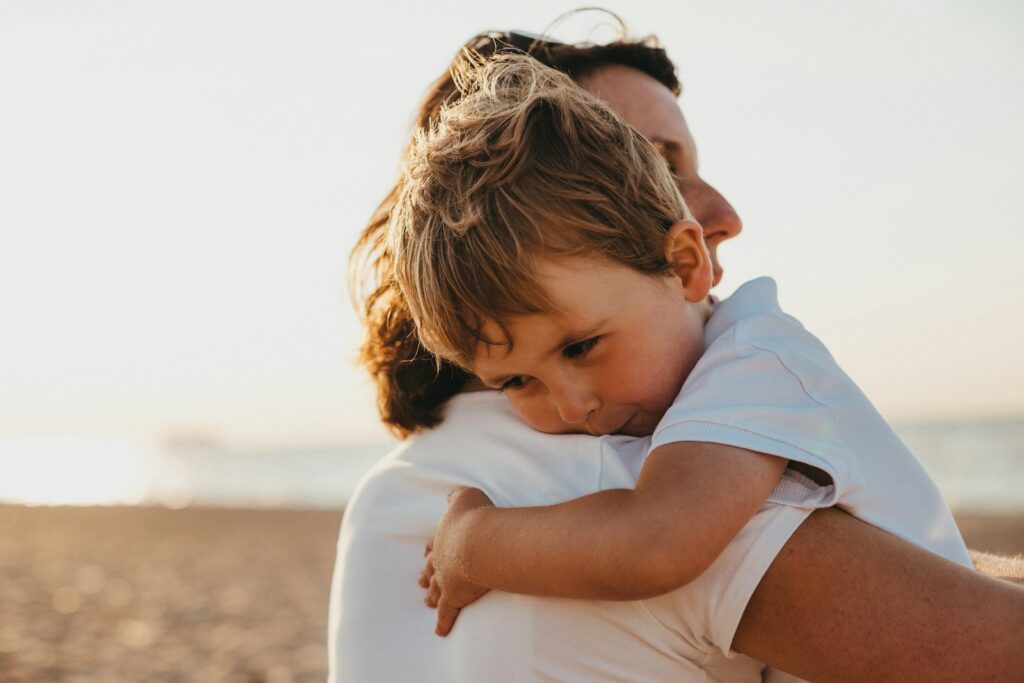
Why “Just Give Grandma a Hug” Hits Different Now
Parents are not imagining the tension. Across holiday tables, some are refusing to insist on physical affection, while others argue that skipping a hug is rude and hurtful to elders, a divide that has been described as parents fighting over whether kids should be forced to hug relatives in the first place. In one account, Parents are portrayed as split between those who prioritize a child’s comfort and those who see a warm embrace as part of family culture. Developmental pediatricians have stepped in, urging families to rethink automatic hugging and to use new guidance aimed at parents and caregivers to center children’s cues instead of adult expectations.
That shift is rooted in a growing body of advice from child psychologists and pediatricians who say kids do not have to hug anyone to be healthy, kind, or secure. One developmental expert notes that, while most children who resist hugging relatives are not reacting to abuse, their discomfort is still a signal worth hearing, and adults should practice actually listening to it. In that view, the important point is that parents encourage kids to notice their inner voice when a situation feels off, then calmly move on without forcing contact, a stance laid out in detail in Dec. That advice reframes a holiday hug from a harmless ritual into a moment where kids learn whether “no” really means no.
The Consent Case: What Kids Learn When Adults Back Off
Advocates for kid-led affection argue that forced hugs send a confusing message about consent. One personal safety educator, who works as a Kidpower instructor, explains that telling a child to kiss a relative to spare an adult’s feelings teaches them to override their own boundaries. Through that work, they have seen how supporting children when they set boundaries is a very important practice, not a minor preference. Others go further, warning that insisting on hugs can teach children that they do not get to decide who touches them, a concern spelled out in a list of reasons why Teaches Your Child’t control their own bodies.
Experts who work directly with toddlers and preschoolers say the same thing in more practical terms. One parenting guide on physical affection notes that forcing children to show affection can undermine their sense of safety and make it harder for them to recognize and report inappropriate touch later, a risk highlighted in a discussion of Wrong With Forced. Another breakdown of family etiquette around hugging points out that making kids give hugs and kisses, even to grandparents, is not okay when it overrides their signals, and that parents should stop treating physical affection as a mandatory chore, a point underscored in Making Kids Give. Advocates say that when adults respect a child’s “no,” they are not only protecting them in the moment, they are rehearsing skills that matter if a situation ever truly crosses a line.
The Pushback: Manners, Culture, and the Case for Encouraging Hugs
Not everyone is ready to retire the obligatory hug. Some family scholars argue that, generally speaking, kids should give relatives hugs because it shows other people they are valued and teaches children how to express affection in healthy relationships. One essay puts it bluntly: here come the holidays, and there is absolutely nothing wrong with a child hugging Grandma when the interaction is loving and safe, a view laid out in Highlights. That same perspective acknowledges that there are a million other factors at play, but still lands on the idea that children should usually participate in affectionate rituals, as long as parents are paying attention to context and intent, a nuance expanded in a later section that notes Generally how hugs can model warmth.
Cultural expectations add another layer. In one widely shared comment, Sandra Le describes how, in some Mexican families, affection is encouraged, not forced, and that there is a balance where kisses and hugs are part of teaching kids to be loving without ignoring their comfort. For relatives who grew up with that norm, a child refusing a hug can feel like a rejection of heritage, not just of a person. That is why some etiquette advice suggests parents prepare extended family ahead of gatherings, explaining that they are teaching consent, while also brainstorming other ways kids can greet elders respectfully, a strategy outlined by Michigan State University.
More from Decluttering Mom: