


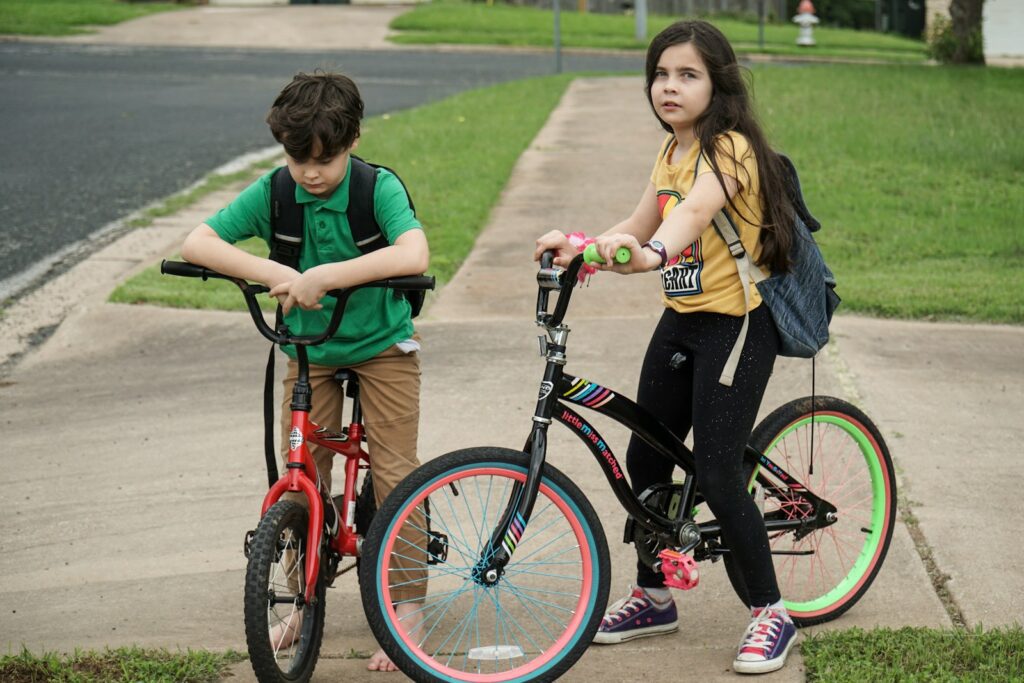
Parents in New Hampshire are suddenly finding out that the hand-me-down bike in the garage might come with a hefty bill. A proposed statewide “pedal tax” would hit families with fines of up to $400 if their kids’ bikes are not properly registered, turning a childhood staple into a potential budget buster. The idea has lit a fire under parents, cyclists, and even casual riders who see it as a tone deaf way to raise money off something that is supposed to keep children healthy and independent.
Instead of quietly sliding through the State House, the plan has become a lightning rod, with Jan hearings packed and social feeds full of angry comments and memes. At the center is House Bill 1703, a measure that tries to treat bicycles a lot more like cars, complete with registration fees and penalties, and families are not taking it lightly.

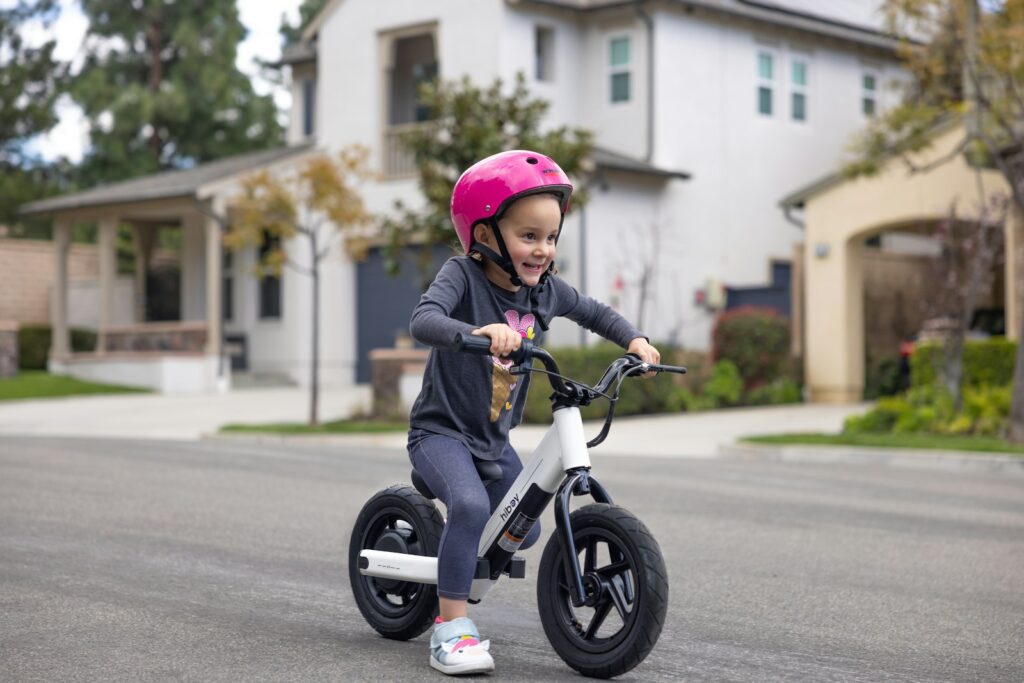
How a kids’ bike became a $400 problem
The political spark here is House Bill 1703, a proposal in New Hampshire that would require bikes to be registered with the state, including the small ones with training wheels. The bill’s language has been widely shared because it spells out fines that can reach $400 for families who own unregistered kids’ bikes, a number that has turned a dry policy debate into a kitchen table panic. Parents who thought they were doing the right thing by getting their children outside now worry that a forgotten registration form could cost more than the bike itself, a concern that has been amplified in coverage of the so called “pedal tax” and the $400 hit it threatens.
What really stings for many families is that the proposal does not just target high end racing gear or fleets of rental bikes, it sweeps in ordinary children’s rides that might have been bought secondhand or gifted by a neighbor. In one widely shared account, Jan parents described the shock of learning that a simple backyard bike could trigger a penalty that rivals a month of groceries, a reaction captured in reports that say Parents are slamming the proposal as wildly out of step with family budgets. The sticker shock has quickly become the emotional core of the backlash, turning a technical registration scheme into a symbol of government overreach into the garage.
Inside House Bill 1703 and the “pedal tax” idea
Strip away the outrage and House Bill 1703 is essentially an attempt to build a statewide bicycle registry, with a fee structure that would apply to adults and kids alike. Supporters argue that if cars have to be registered, bikes that share the road should chip in too, and they point to a proposed $50 registration fee that would be collected through the state’s existing motor vehicle system. Under the framework described in public hearings, the money would be routed through the Division of Motor, which already handles license plates and titles, effectively treating bikes as a lighter version of a car in the state’s bureaucracy.
The real bite, though, comes from the enforcement side. Under the bill, failure to register a bike could lead to a $100 fine per violation, a detail that has been flagged repeatedly by critics who say it turns a child’s toy into a ticket trap. That Under the bill structure, a family with several bikes could quickly rack up penalties, especially if they are unaware of the new requirement or confused about how to comply. Lawmakers have hinted that amendments may soften some of these details, but for now the combination of a $50 fee and a $100 fine has given opponents an easy way to frame the measure as a cash grab dressed up as safety policy.
Parents, RESIDENTS, and cyclists push back
Once word spread that kids’ bikes were on the hook, the response from parents was immediate and loud. Social media filled with posts from Jan parents who said they were already juggling rising costs for food, rent, and gas, and could not believe they might have to budget for bike paperwork too. Some of those reactions have been captured in coverage that describes how RESIDENTS are protesting the idea of paying a new fee just to let their children ride on local roads or trails in the state. The phrase “pedal tax” has become shorthand in neighborhood Facebook groups and at school pickup lines, a way to vent about what many see as a tone deaf attempt to squeeze families.
Cycling advocates have joined the chorus, arguing that the bill punishes exactly the behavior public health officials usually want to encourage. One advocacy group used an Instagram post to warn followers that the measure would tax “your bike” and “your kid’s bike too,” urging people to speak out against HB1703-FN and tagging the fight as a New Hampshire issue that affects everyday riders. In that post, the group GOA spelled out its opposition and asked, “Have you heard? There’s a bill that would tax your bike,” a line that has been widely shared through GOA channels and beyond. The message is simple: if the state wants fewer cars and healthier kids, it should not make it harder or more expensive to own a bicycle.
The lawmaker in the hot seat
All of this anger has a political address, and it is landing squarely on the shoulders of the New Hampshire lawmaker who sponsored the bill. During a packed hearing earlier this year, that legislator faced a barrage of questions from parents, cyclists, and local officials who wanted to know why a state that prides itself on personal freedom was suddenly so interested in tracking children’s bikes. Video clips from the event show residents lining up to testify, some holding up photos of their kids’ bikes, others warning that the proposal would discourage low income families from letting their children ride at all, a scene that has been described in detail in coverage of the New Hampshire backlash.
The sponsor has tried to frame the bill as a way to fund bike infrastructure and improve safety, suggesting that registration fees could help pay for better lanes and signage. But that argument has not landed well with parents who say they already pay taxes and do not see why their kids’ bikes should be singled out. During the same hearing, critics pointed out that the state has other ways to support cycling, from tapping transportation funds to seeking federal grants, without slapping a new fee on families. The political risk is clear: in a state where “Live Free or Die” is printed on every license plate, being the face of a policy that feels like a $400 penalty on childhood is not a great look heading into another Jan legislative session.
What happens next for the “pedal tax” and families
For now, the “pedal tax” is still a proposal, not a done deal, and the intense reaction has already started to reshape the conversation in Concord. Lawmakers have hinted that the bill could be amended, scaled back, or even shelved, especially if the registration requirement for kids’ bikes continues to dominate the headlines. Advocacy groups are urging residents to keep the pressure on, pointing them to committee schedules and contact information so they can weigh in before any final votes. One widely shared Instagram post aimed at New Hampshire parents bluntly asked, “Have you heard? There’s a bill that would tax your bike,” and encouraged followers to speak up about New Hampshire politics before the measure quietly advances.
More from Decluttering Mom: