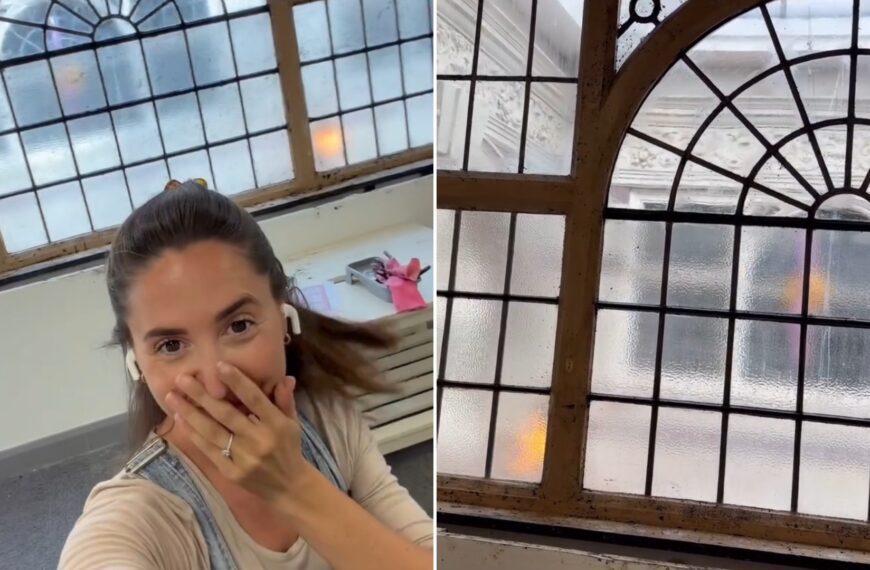
A parent’s warning about an AI-generated FaceTime scam targeting families is spreading fast, breaking down how a fake video call is built to fool someone into picking up, according to her own Instagram post. The account, followed by 276,300 people, walks through what the scam call looks and sounds like so other parents can recognize it before answering.
Key Points
- The scam uses AI-generated audio and video built to imitate a FaceTime call from a real family member, timed to catch someone off guard into answering.
- The parent’s video breaks down the specific signs that expose the call as fake rather than treating it as unrecognizable at a glance.
- The post has spread widely enough to function as a public warning, reaching well beyond the creator’s usual audience.
- The goal of these calls is almost always urgency: getting a parent or grandparent to act, send money, or share information before they’ve had time to verify anything.

What Parents Should Do
- Hang up and call the person back directly on a number you already have saved, rather than continuing a call that feels off or reacting to whatever is asked during it.
- Agree on a family code word in advance that a scammer would have no way to know, and ask for it any time a call involves an urgent request for money or personal information.
- Treat any request for gift cards, wire transfers, or cryptocurrency during an unexpected call as an immediate red flag, regardless of how convincing the voice or face looks.
- Slow the call down on purpose. Asking an unexpected personal question the caller should easily know is one of the fastest ways to expose an AI-generated impersonation in real time.
- Watch for small visual glitches during the video itself, like lighting that doesn’t quite match the background, lips that lag slightly behind the audio, or a face that stays oddly still — all common tells in AI-generated video calls right now.
Voice- and video-cloning tools have gotten cheap and accessible enough that these calls no longer need more than a short clip of someone’s voice pulled from social media to sound convincing. Families with teenagers who post frequently, or grandparents who aren’t used to questioning a familiar face on screen, are the groups scammers are targeting hardest. The warning spreading now follows a pattern seen in similar cases reported by local news outlets earlier this year, where a parent recognized something was wrong only because the call pushed for money faster than a real emergency conversation typically would. Every teenager’s public account is effectively a training library for a scammer building one of these calls, which is exactly why the warning is aimed less at any single incident and more at getting families to agree on a verification habit before they ever need it.