


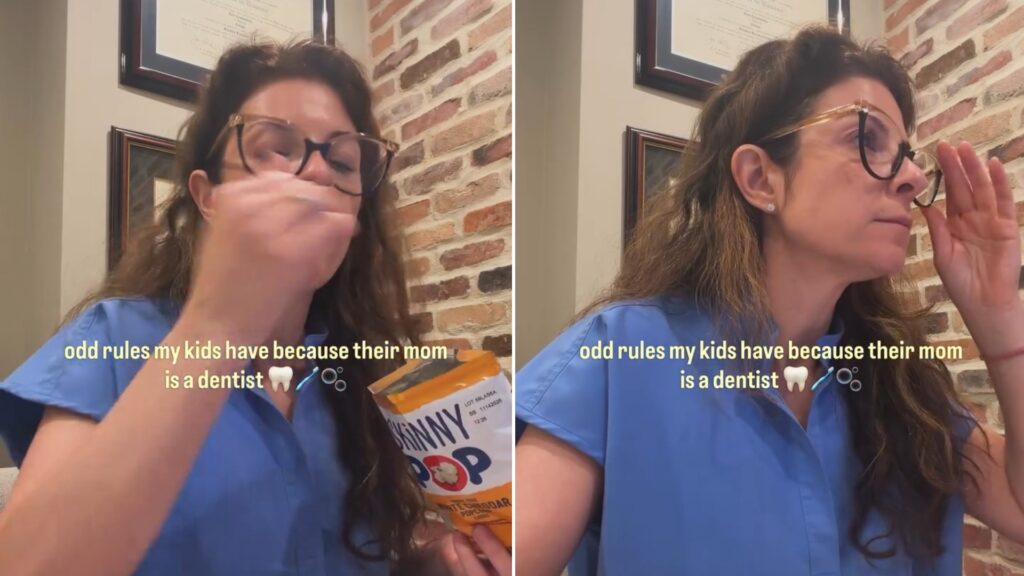
A pediatric dentist’s Instagram reel laying out her real household dental rules for kids has pulled in more than 6.3 million views, a reach that dwarfs almost anything else on her account, and the reason is not a gimmick, it’s the gap between what she tells parents now and what most of those same parents grew up hearing from their own mothers and grandmothers. The video, posted to her Instagram account in her professional capacity as a practicing pediatric dentist, runs through the rules she actually enforces at home, and several of them run directly against the advice that shaped an entire generation of grandparents.
Why the Rules Flipped So Hard
For most of the 20th century, pediatric dentistry treated small children as something to avoid rather than treat early. Some dental offices in the 1950s posted signs in their waiting rooms reading “no children under age 13 treated,” according to a review of the history published by Decisions in Dentistry. That eventually loosened to a rule of thumb that kids shouldn’t see a dentist until age three, mostly because most dentists at the time had no training in treating anyone younger. It wasn’t until 2001 that the American Academy of Pediatrics, the American Academy of Pediatric Dentistry, and the American Dental Association aligned on a very different standard: a child’s first dental visit should happen at the eruption of the first tooth or by their first birthday, whichever comes first, the same source notes. That one change moved dentistry from a wait-and-treat model to a prevent-it-before-it-starts one, and it is the rule most grandparents simply were never given.
Toothpaste Is Where the Advice Reversed Completely
Fluoride toothpaste is the clearest example of a rule that didn’t just get updated, it flipped. For decades, the standard guidance was to keep fluoride toothpaste away from children until age two, over fears of them swallowing it. The American Dental Association walked that back, confirming that parents no longer need to wait until age two to start brushing with fluoride toothpaste, according to a pediatric dental practice’s summary of the guideline change, which the ADA tied directly to the fact that roughly 25% of U.S. children develop a cavity before they ever reach kindergarten. Current guidance calls for a rice-grain-sized smear of fluoride toothpaste starting from the very first tooth, moving up to a pea-sized amount around age three, rather than skipping fluoride in the early years the way grandparents were once told to.
The gap between guidance and habit is still wide, too. In one CDC-published national survey, only about 38.8% of parents said their child started brushing by age one, and 20.1% started before that, while the rest waited until age two or later, according to the CDC’s own published data on children’s toothbrushing patterns. The same survey found nearly 40% of kids ages 3 to 6 were using more toothpaste than dentists recommend, with just over 12% of that age group actually using the smear amount that’s advised.
What Grandparents Grew Up Enforcing, Reversed
The reel’s framing lands because it names the contrast directly instead of assuming everyone already knows the rules changed. A grandparent who followed the letter of 1970s or 1980s guidance was doing exactly what dentists asked at the time. That meant holding off on both the first visit and fluoride toothpaste, and treating baby teeth as less urgent since they fall out anyway. None of that was bad parenting. It was the standard of care, right up until the research on early cavities and fluoride exposure caught up and rewrote it.
Why This Matters for Multigenerational Households
In homes where grandparents help with daily routines, brushing included, a mismatch between decades-old habits and current guidance is a real source of friction, not just a talking point. A grandparent instinctively rinsing a toddler’s mouth thoroughly after brushing, or waiting until age three for a first cleaning, is following advice that was correct when they learned it. The dentist’s reel functions less like a scolding and more like an update bulletin, aimed at exactly that audience as much as at new parents.
Dental advice keeps moving because the evidence keeps moving, and the rules a grandparent enforced with total confidence forty years ago were the right ones for that decade, not proof they got anything wrong.