


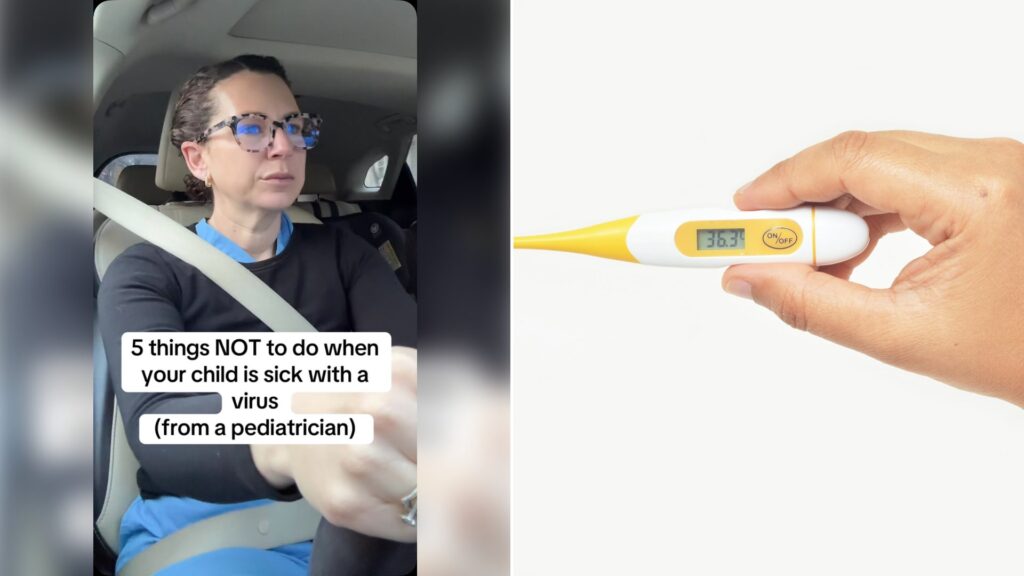
A video from the account dr.leahrap, filmed by a pediatrician speaking from her car, runs through five mistakes parents commonly make while managing a child’s viral illness. First: skip over-the-counter cough and cold medicine, since it doesn’t actually speed recovery in kids and can be unsafe in young children, sticking instead with saline spray, honey for kids over one, and a humidifier. Second: don’t rush to ask for antibiotics, since most pediatric fevers, coughs, and colds are viral, and unnecessary antibiotics can cause rashes, diarrhea, and resistance. She also addresses reduced appetite, delaying a return to school, and relaxing routines like extra screen time while a child recovers. Tagged #pediatrics, #parenting, and #mom, the post pulled in 2,160 likes, 64 comments, and 32 shares.
The advice on cough and cold medicine matches official FDA guidance closely. The FDA recommends against giving over-the-counter cough and cold products to children under two specifically because the risk of serious side effects outweighs any real benefit, and these products typically combine several active ingredients, acetaminophen, decongestants, antihistamines, at once, which raises the risk of accidental overdose when a child is also given another medicine containing one of the same ingredients. Too much acetaminophen can cause liver damage; too much decongestant or antihistamine can cause seizures. Poison control data on this exact danger includes documented cases of infant deaths tied to combined cold medicine overdoses. For young children with a cough or cold, saline drops, gentle suctioning, humidity, and fluids are generally considered more effective than medicine, and a healthcare provider should be consulted if symptoms don’t improve.
The antibiotics point reflects a message the CDC has pushed for years through its “Be Antibiotics Aware” campaign: the common cold, flu, and most routine fevers in children are caused by viruses, and antibiotics do nothing against a virus, they only work on bacterial infections. Using an antibiotic when it isn’t needed doesn’t just fail to help, the CDC notes it exposes a child to unnecessary side effects like diarrhea and allergic rashes, and contributes to antibiotic resistance, a growing public health problem where bacteria evolve to survive drugs that used to kill them. A parent asking a pediatrician “isn’t there something stronger we can give her” for a viral illness is, by this guidance, asking for a tool that can’t work and carries its own risk.
The remaining points in the video, that reduced appetite during illness is normal and not worth forcing, that a feverish or exhausted child should stay home rather than push through a school day, and that leaning on extra screen time or comfort habits during a short illness won’t create a lasting habit, are lower-stakes but reflect the same overall theme running through the video: a lot of parental instinct during a child’s illness pushes toward doing more, more medicine, more pressure to eat, a faster return to normal, when the evidence-backed approach is often to do less and let basic supportive care and time do the actual work.
More from Decluttering Mom
- Mom of Two Opens Her Three Car Garage on a Doom Pile of Boxes, Finds Diapers From a Subscription Still Running and a Sauna Boxed for a Year, Then Clears Enough to Park Inside
- Woman Says She Came Home From a Cleaning Service Visit to a Gas Burner Left On With No Flame, Then Found Her Purse, Tax Documents and Real Silverware in Two Garbage Bags Downstairs
- Homeowner Whose Husband Said He Could Not See the Garage Floor Hauls Out Four Years of Stuff, Patches and Paints One Wall White, Then Hangs Bikes, Helmets and a Vacuum on Rails