

You can keep a tidy yard without sacrificing biodiversity, water savings, or time. Swap a strip of grass for native plants and you’ll cut water use, attract pollinators, and free up hours you’d otherwise spend mowing and treating turf.
Imagine stepping outside to a backyard that works for you—lower bills, more wildlife, and a landscape that actually supports local ecosystems. This article walks you through why traditional lawns are losing favor and how small changes to plant choices and layout make your outdoor space more resilient and rewarding.

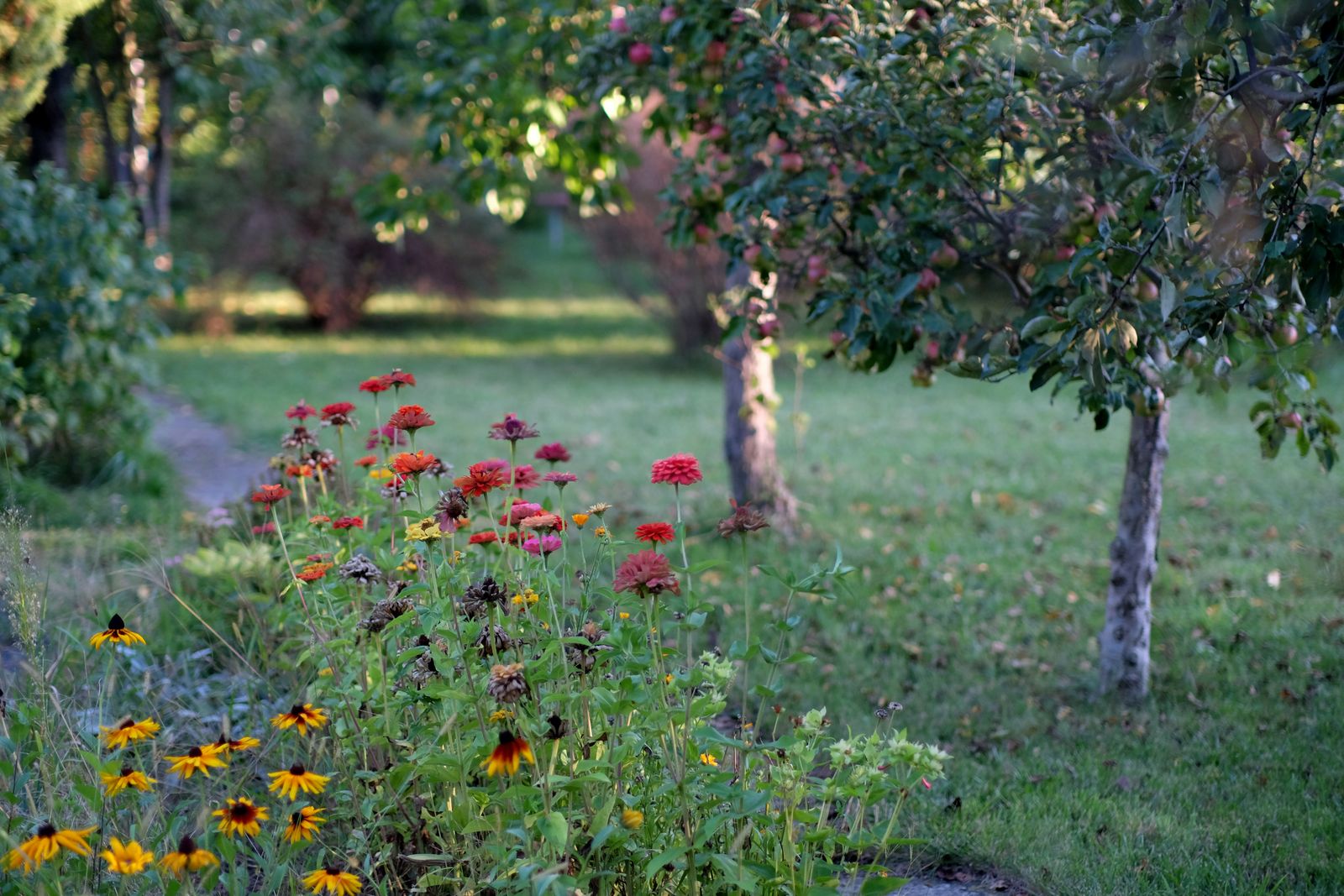
Why Traditional Grass Lawns Are Being Replaced
You’re paying more than you think for a tidy stretch of turf: time, water, chemicals, and lost ecological value. The next paragraphs explain how those costs add up, why monoculture grass often fails wildlife, and how soil and water suffer under conventional lawn care.
The Hidden Costs of an American Lawn
Maintaining a typical American lawn can consume large amounts of resources you probably don’t track. Expect regular mowing, edging, fertilizing, and pest control — often weekly during the growing season — plus fuel for equipment and labor if you hire services. Those inputs add up to significant annual expense and greenhouse-gas emissions from mowers and trucks.
You also pay in water. Landscape irrigation can represent a large portion of residential water use, especially in dry regions where municipal supplies are strained. Local ordinances or HOA rules may force upkeep you don’t want, which raises homeowner costs and limits choices. When you tally time, money, and environmental externalities, the “perfect” lawn becomes less appealing.
Biological Deserts and Monoculture Problems
A monoculture of turfgrass supports very little biodiversity compared with native plantings. Turf offers scarce flowers, nectar, or structural habitat for pollinators, birds, and beneficial insects. Entomologists note that many pollinators and predators ignore turfgrass because it lacks food and shelter, turning acres of yard into biological deserts.
Pest outbreaks and weed pressure can escalate in monocultures, prompting more pesticide use. That practice harms non-target insects and can reduce soil microbial diversity. If you replace sections of turf with native wildflowers, shrubs, or mixed groundcovers, you immediately increase habitat value and lower the need for repeated chemical interventions.
Impacts on Soil Health and Water Use
Conventional lawns often suffer compacted, low-organic-matter soils that drain poorly and store less carbon than diverse plantings. Repeated mowing and removal of clippings (or excessive thatch buildup) disrupt natural nutrient cycles and limit earthworm and microbial activity that improve soil structure. Over time, you face more irrigation and fertilizer needs to keep grass green.
Water-wise alternatives reduce irrigation demand and boost infiltration. Native deep-rooted plants and meadow mixes increase soil porosity and water storage, cutting your seasonal watering by large percentages in many climates. By shifting plant choices you can improve soil health, lower water bills, and reduce the chemical load you apply to your yard.
Benefits of Backyards With Native Plants
Native plants save you time and money while rebuilding habitat where it’s most needed. They provide food and shelter for birds and insects, cut watering and chemical use, and give your yard year-round structure and seasonal color.
Supporting Biodiversity and Pollinators
You attract more native insects and birds when you plant species adapted to your region. Native milkweed supports monarch caterpillars; coneflowers (Echinacea) supply nectar to bees and goldfinches; goldenrod feeds late-season pollinators. These plants create a food chain: native blooms support specialist caterpillars, which in turn feed breeding birds.
Include layered planting—grasses, forbs, and shrubs—to offer nesting sites, overwintering habitat, and continuous bloom from spring through fall. Even small patches function as stepping stones in urban areas and contribute to the Homegrown National Park movement that emphasizes widespread native planting.
Focus on plant communities rather than single specimens. That approach sustains beneficial insects and increases resilience to pests and weather extremes.
Reducing Maintenance and Enhancing Landscape Design
Native lawns need less watering and almost no fertilizer once established, cutting both bill and yard work. You’ll mow less: many native beds require a single annual cut or selective pruning to prevent woody invasion. That lowers fuel use and noise from power mowers.
Design with structure: combine clumping native grasses with upright perennials (coneflowers, asters) for contrast and winter interest. Use pathways, focal shrubs, and repeat planting groups for a polished look. Native planting can match formal geometry or informal meadow styles depending on your yard size and preferences.
For practical care, prepare soil, choose locally proven species, and plant in drifts (groups of 3–7) to simplify maintenance and maximize visual impact.
Popular Native Plants for Vibrant Gardens
Choose species that fit your soil and sun: in full sun, plant purple coneflower, black-eyed Susan, and native grasses like little bluestem. Milkweed is essential for monarchs; pick local Asclepias species to ensure host-plant compatibility. Goldenrod provides pollen in late summer and supports many bees.
For shade, consider native ferns, woodland phlox, and wild geraniums. Add shrubs such as serviceberry or native viburnum for berries and nesting structure.
Use this quick planting checklist:
- Full sun: coneflowers, goldenrod, little bluestem
- Pollinator host: milkweed (local species)
- Shade: ferns, woodland phlox
- Structural shrubs: serviceberry, native viburnum
Group plants by moisture needs and bloom time to ensure continuous nectar and simplify watering.