


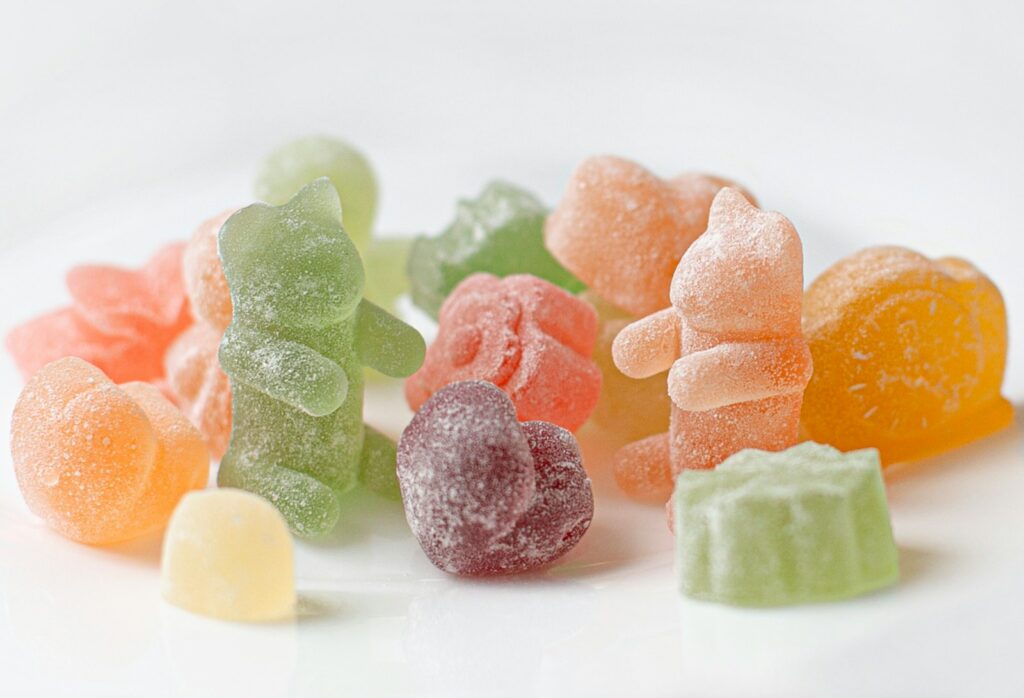
A federal report tracking calls to U.S. poison control centers found that reported cases of children swallowing melatonin jumped 530 percent in less than a decade, climbing from 8,337 calls in 2012 to 52,563 calls in 2021. Over that ten-year window, poison control centers logged 260,435 total pediatric melatonin ingestions. Most of the children involved were young enough to still be in a crib or a car seat, and two of them, both under age 2, did not survive. The CDC’s Morbidity and Mortality Weekly Report lays out a pattern that tracks almost exactly with how fast melatonin gummies took over drugstore shelves, and it raises a question a lot of parents haven’t had to ask before: what happens when a “natural” sleep aid ends up looking, and tasting, like candy.

The numbers behind the 530 percent spike
The CDC researchers pulled data from the National Poison Data System covering 2012 through 2021. The trajectory wasn’t gradual. It accelerated hard toward the end of the decade, with the single largest jump, a 37.9 percent increase, happening between 2019 and 2020 alone, the same stretch when pandemic-era sleep troubles pushed more families toward over-the-counter melatonin. By 2021, melatonin had become the most frequently reported substance in pediatric ingestion calls to poison control, ahead of things like cough medicine or laundry pods.
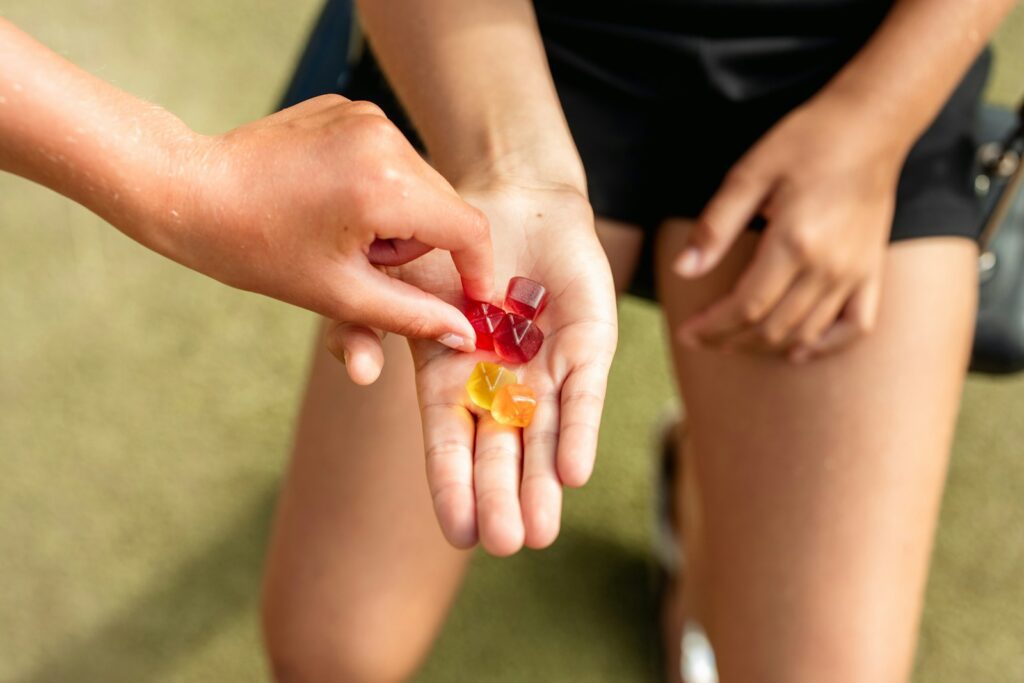
Age breakdowns in the report make clear this is overwhelmingly a young-child problem, not a teenager problem. Children age 5 and under accounted for 218,136 of the 260,435 cases, or 83.8 percent. Kids ages 6 to 12 made up another 11 percent, and teenagers 13 to 19 accounted for just 5.2 percent. In other words, this isn’t about older kids intentionally taking more than a recommended dose. It’s about toddlers and preschoolers getting into a bottle that was never meant to be within their reach in the first place, which the CDC data confirms: 94.3 percent of ingestions were unintentional.
How serious were the outcomes
Most calls did resolve without a hospital visit. The CDC found 84.4 percent of cases were asymptomatic, and 88.3 percent were managed at home over the phone with a poison control specialist, never requiring a trip to the ER. But the minority of cases that did turn serious were serious. 4,097 children were hospitalized, representing 14.7 percent of those who were evaluated at a healthcare facility. Of those, 287 needed intensive care, and five children required mechanical ventilation to breathe. Two children, both younger than 2 years old, died at home. The symptoms severe enough to land a child in the hospital tended to involve the gastrointestinal, cardiovascular, or central nervous systems, according to the report.
Why the gummy format matters
Part of what’s driving the surge isn’t just that more households keep melatonin around. It’s the format it comes in. Melatonin used to be sold mostly as small pills or liquid drops. Gummies changed that, and they changed how kids interact with the bottle. A cap that isn’t child-resistant, combined with a product that’s flavored and shaped like a fruit snack, is a combination pediatric safety researchers have flagged for years with other supplements.
There’s also a labeling problem layered on top of the exposure problem. A JAMA-published lab analysis reported by ABC News tested 25 melatonin gummy products and found 22 of them, or 88 percent, were inaccurately labeled. Actual melatonin content ranged from 74 percent to a startling 347 percent of what the label claimed. One product marketed as melatonin contained none at all, but did contain 31.3 mg of CBD instead. So even a parent who reads labels carefully and counts out a “safe” number of gummies for their child may not actually know how much melatonin, or what else, that child just swallowed.
What this means for households right now
Melatonin is not regulated by the FDA the way medications are; it’s sold as a dietary supplement, which means manufacturers aren’t required to prove dosage accuracy before it hits shelves. That regulatory gap, combined with a product parents have been told is gentle and “natural,” appears to be exactly why so many bottles end up somewhere a toddler can reach them. The CDC report doesn’t recommend banning melatonin from the house. It does point, implicitly, toward the same advice poison control centers give about any medication or supplement: store it up, away, and out of sight, in its original child-resistant container, and treat gummy vitamins and gummy sleep aids with the same caution as a prescription bottle, not the same shelf as the fruit snacks.
The gap between how safe melatonin gummies are marketed to feel and how unregulated their actual dosing is turns out to be the real hazard, and it’s one that’s landed in the pediatric poison control data for a full decade running.