


You watch the bodycam footage and instinctively want to know what happened, who was involved, and how the children ended up in the trunk. The Westminster Police Department released the video after a traffic stop turned into an arrest for suspected DUI, and the footage shows officers discovering three children cramped in the vehicle’s trunk during freezing temperatures. This article explains what the bodycam captures, why police made the stop, and what followed for the children and the arrested driver.
Keep going to see the key moments from the traffic stop, hear what officers say on camera, and learn how authorities and Child Protective Services responded after the arrest. The next sections break down the police body-worn footage, the charges and immediate actions taken, and how the children were placed with family.
Details of the Westminster Police Body Camera Release


The footage shows a traffic stop that began for reckless driving, a driver who smelled of alcohol, a refusal of formal tests, and the later discovery of three children in the vehicle’s trunk. It documents officer actions, the driver’s statements, and how the department shared the bodycam clip publicly.
How the DUI Traffic Stop Unfolded
An officer with the Westminster Police Department observed a vehicle driving erratically near City Center Drive and 93rd Avenue at about 5:15 p.m. The officer initiated a traffic stop after noticing the driving behavior and signs consistent with impairment.
When officers contacted the 41-year-old driver, the body-worn camera captured his admission that he had been “acting like an idiot,” though he denied drinking. The officer reported smelling alcohol and asked about impairment; the driver claimed the odor came from nicotine pouches.
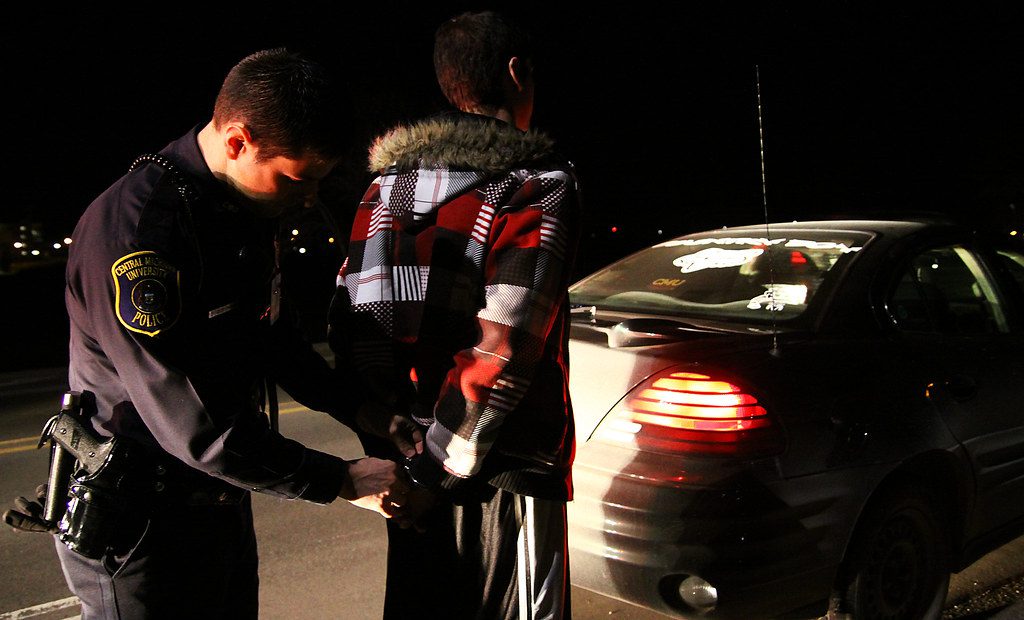
Officers asked the driver to perform voluntary roadside maneuvers. He initially agreed, then refused to complete the exercises. That refusal and the observed driving behavior led officers to place him under arrest on suspicion of driving under the influence and related traffic infractions for reckless driving and failing to provide insurance.
Discovery of Children in the Trunk
After the man was handcuffed, he told officers that his children were in the trunk. An officer opened the trunk on bodycam and found three children lying inside. The footage shows officers removing the children from the trunk and checking them; none were reported injured.
Westminster police subsequently contacted child protective services and released the children to family members. The driver was booked on suspicion of DUI and three counts of child abuse (misdemeanors), plus traffic infractions. Bail records show he was later released on a cash or surety bond.
Police Officer Actions and Voluntary Roadside Maneuvers
Officers followed standard patrol procedures: they observed the vehicle, initiated a stop for reckless driving, made impairment observations, and requested voluntary roadside maneuvers. The bodycam documents the exchange where the driver initially agrees to the maneuvers but then refuses, at which point officers moved to arrest.
After the arrest, officers located the children and coordinated with social services. The body-worn camera captured both the compliance steps and the moments of escalation. The footage illustrates how voluntary roadside maneuvers — offered but not completed — factored into the probable cause for arrest and subsequent charges.
Impact of Body Camera Footage on Public Awareness
The Westminster Police Department posted the bodycam video on social media, which amplified public attention and prompted discussion about child safety and DUI enforcement. The clip’s visual record gave the community clear evidence of the stop, the odor observations, the driver’s statements, and the discovery of children in the trunk.
Public reaction focused on the severity of leaving children in a trunk and on police transparency for releasing footage. The video also sparked conversation about roadside procedure, how voluntary maneuvers are handled, and how agencies communicate arrest details; mainstream outlets subsequently reported on the incident, increasing local awareness.
Further reading on the incident and the department’s post can be found in local coverage of the Westminster DUI case.
Aftermath and Involvement of Child Protective Services
The incident prompted a child welfare investigation, criminal charges for the driver, and paperwork and custody checks at the county jail. Family contacts, mandated reporters, and law enforcement coordinated on immediate safety steps for the children.
Role of Child Protective Services and Family Release
Child Protective Services (CPS) opened a welfare investigation within 24 hours of the crash and review of the bodycam footage. CPS assessed injuries, reviewed medical records, and interviewed the children’s caretakers and a responding officer to determine immediate risk.
CPS placed the children temporarily with a close relative after verifying the home environment and running background checks. The agency documented the children’s medical follow-up and arranged counseling referrals. CPS retained caseworkers’ supervisory notes and explained reunification conditions to the family, including required parenting classes and a court-ordered safety plan.
The county prosecutor received CPS’s written findings and used them in charging decisions. CPS continued monitoring the household through scheduled home visits while the criminal case proceeded.
Legal Outcomes for the Driver
Prosecutors charged the driver with multiple counts, including driving under the influence causing injury and child endangerment. Bail was set with conditions prohibiting contact with the children and requiring electronic monitoring if released pretrial.
The driver’s attorney entered a plea of not guilty initially and requested discovery, including the body camera footage. The footage’s public release accelerated prosecutorial review and influenced the timing of a preliminary hearing.
If convicted, sentencing could include jail time, fines, mandatory substance-abuse treatment, and loss of driving privileges. The prosecutor noted CPS’s assessment in sentencing recommendations to the court.
Conditions in Adams County Jail
After arrest, the driver was booked into Adams County Jail and placed in general population pending classification. Intake records show screening for medical needs and potential self-harm, plus notification of any open child welfare matters.
Adams County Jail provided standard visitation procedures but restricted in-person visits while the case was active. If the driver remained detained, the jail coordinated with CPS and the prosecutor’s office for court dates and documented any contact attempts under jail policy.
The jail’s behavioral health staff flagged the driver for a substance-abuse screening and arranged access to substance counseling resources. Administrative records indicate the jail complied with court orders barring contact with the children.
More from Decluttering Mom: