

You can make roast potatoes dramatically crispier by parboiling them briefly in water (optionally with a pinch of baking soda) and then roughing up the edges before they go into the oven. Boiling gelatinizes the starch so the exterior can dry into a rigid, crunchy shell while the interior stays fluffy. Parboil, shake or roughen the pieces, and roast at high heat for the crispiest roasted potatoes.
This simple step turns ordinary oven roasted potatoes into a standout potato side dish with a golden, shattering crust and pillowy center. Follow-up tips in this article will show how potato variety, oil, seasoning, and oven temperature affect your final result, and why that brief boil matters more than you might expect.

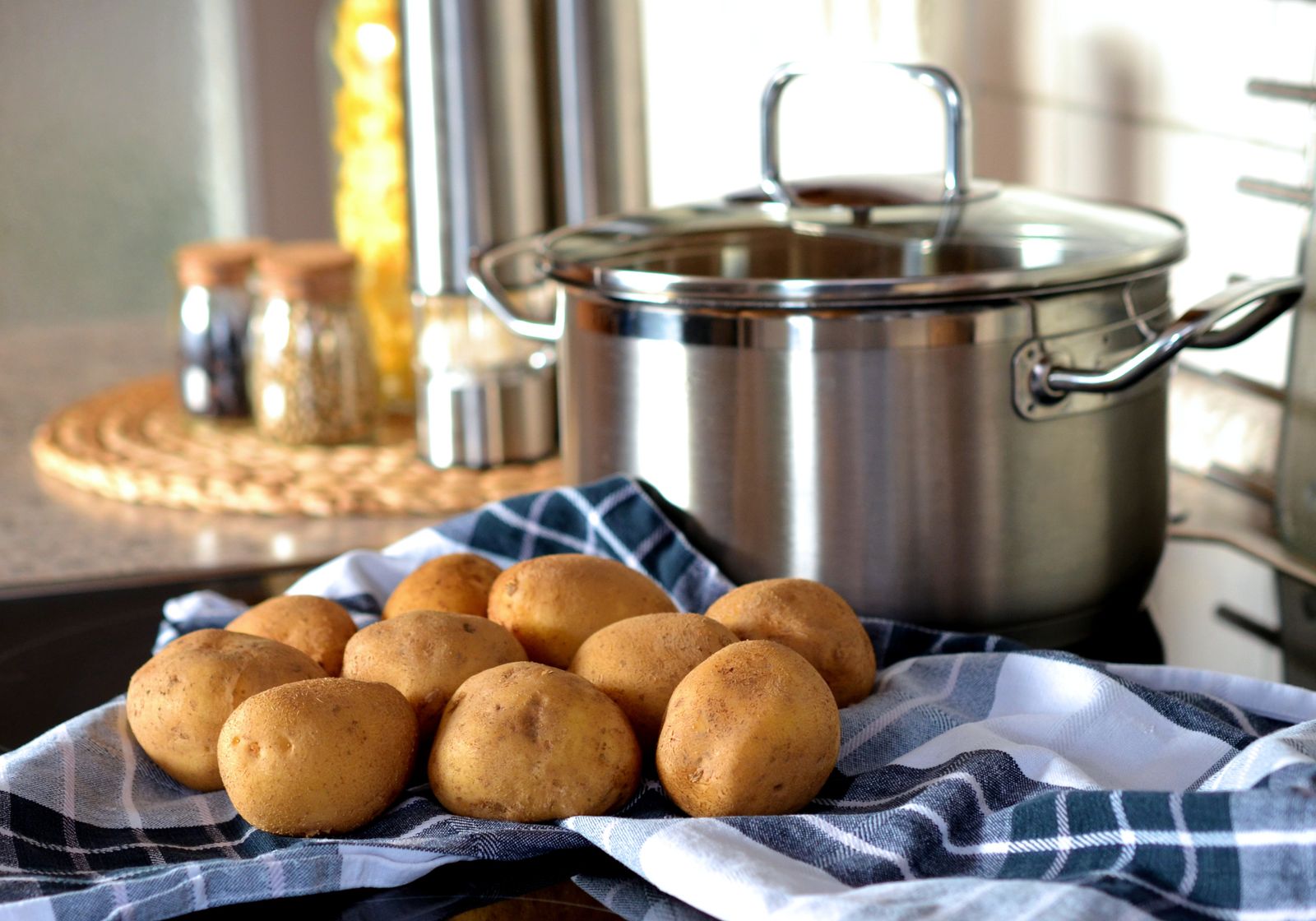
How Parboiling and Preparation Transform Roasted Potatoes
Parboiling softens the potato interior, loosens surface starch, and creates the rough texture that browns into crisp, craggy edges. Small choices—salt in the water, a baking soda pinch, how long you shake—change final texture more than oven temperature alone.
The Science Behind Crispiness: Starch Gelatinization
When you parboil potatoes, heat drives starch granules to absorb water and swell — a process called starch gelatinization. That makes the interior tender without fully breaking the cells, so the center becomes fluffy rather than mealy.
If you add a pinch of baking soda to the boiling water, the higher pH speeds outer-cell breakdown and releases surface starch. That starch, once roughed up, forms a thin paste that browns and crisps in hot fat. For consistent results, bring cut potatoes to a simmer and time the parboil so pieces are just fork-tender at the edges — usually 8–12 minutes for 1–2 inch chunks.
Why Parboiling Leads to a Fluffier Interior
You want the center to be soft before it hits the oven. Parboiling partially cooks the inside so the oven only needs to crisp the exterior, not finish cooking the potato core. That prevents a dry or undercooked center.
Cut size matters: larger chunks keep more interior moisture and yield a creamier mouthfeel. Salt the parboil water to season through; this step seasons the interior better than salting only after roasting. Drain promptly to stop cooking and avoid waterlogged pieces.
Surface Roughness and Shaking for Extra Crunch
After draining, you’re aiming to create surface roughness that will fry and brown faster. Put the drained potatoes in a colander and shake or toss them to scuff the edges. Those torn bits hold more oil and develop the craggy, golden crust you want.
The roughed surface also traps released starch, which fries into brittle, deeply browned flakes. Let the potatoes sit briefly to dry after shaking; drier surfaces absorb less oil and crisp more efficiently. This simple mechanical step transforms plain boiled pieces into candidates for truly crispy roasted potatoes.
Techniques for Maximizing Crisp Texture
Use a hot oven (around 425°F/220°C) and a generous, heat-stable fat—olive oil, duck fat, or clarified butter—to promote Maillard browning and crisping. Spread pieces in a single layer with space between them to avoid steaming.
Toss potatoes with oil and seasoning in a bowl, then transfer to a preheated sheet pan so the oil sizzles on contact. Flip once during cooking for even color. If you want extra crunch, roast at high heat for 30 minutes, turn, then continue 10–15 minutes until deeply golden. For the crispest finish, place the pan under the broiler for 1–2 minutes, watching closely to prevent burning.
Choosing the Best Potatoes and Recipe Tips
Pick a starchy or semi-starchy variety and dry them well after any parboil; use a hot oven and enough oil so each piece gets a direct hit of fat. Small changes—potato type, oven temperature, and a vigorous shake—make the difference between soft and crisp.
Floury vs. Waxy: Selecting the Right Variety
Choose floury potatoes for the crispiest roast. Floury varieties like Russet or other high-starch tubers break down at the edges when roasted, producing a coarse, crunchy exterior and a fluffy interior. If you want a creamier bite, use Yukon Gold (a semi-starchy option) for balance.
Size and cut matter. Cut uniform pieces—about 1 to 1½ inches—so they cook evenly. For whole small potatoes, split them in half. Avoid waxy types like red potatoes when your goal is maximum crunch; they hold moisture and tend to stay waxy rather than achieve a shattering crust.
Wash and dry thoroughly. After rinsing or parboiling, pat the pieces completely dry with towels or let them steam off in the colander; excess surface water prevents oil from crisping the exterior.
Classic Roast Potatoes Recipe Steps
Parboil first: simmer potato pieces in salted water for 8–10 minutes until the outside softens but the center stays firm. Drain and return to the pot; give the pot a few vigorous shakes to roughen edges—those ragged surfaces brown best.
Coat with oil and season: transfer to a bowl, drizzle 2–3 tablespoons oil per pound of potatoes, add 1 teaspoon salt and freshly cracked pepper, and toss. For herb flavor, add rosemary or thyme and 1–2 smashed garlic cloves.
Bake on a preheated sheet pan: spread potatoes cut-side down and not touching. Roast until deep golden and crunchy, 30–45 minutes depending on size, turning once halfway. Use a metal spatula to flip and expose new edges for browning.
Oven and Oil Temperature Secrets
Preheat the oven to 425–450°F (220–230°C). The high temperature promotes Maillard browning without long cooking that turns interiors dry. Use the upper-middle rack for the best dry heat circulation.
Heat the baking sheet briefly in the oven before adding potatoes. A hot pan gives immediate contact heat and speeds crisping. Use oils with a high smoke point—vegetable, sunflower, or clarified butter—for stable browning; regular butter burns too quickly unless mixed with a neutral oil.
Avoid crowding the pan. Single layer, space between pieces. Steam kills crispness; give each piece ½ inch of breathing room. If making large batches, roast on two pans, swapping positions halfway through for even color.
Tasty Serving Ideas and Variations
Dress crispy potatoes simply with flaky sea salt, chopped parsley, and a squeeze of lemon for brightness. Toss with whipped feta or garlic yogurt for a creamy contrast that complements the crunchy exterior.
Spice them: coat with smoked paprika, cumin, and a pinch of cayenne for a warming profile. For herb-forward potatoes, finish with chopped chives, thyme, or rosemary right after they leave the oven so oils carry aroma without burning the herbs.
Make them a side or main: serve oven roasted potatoes alongside roasted chicken or mix into a warm salad with mustard vinaigrette. For breakfast, reheat and toss with sautéed onions and a fried egg on top. For a tested technique and extra tips on crisping, see this crispy oven roasted potatoes guide.