

You bought a cute pot of basil or parsley and expected fresh sprigs for weeks, but they wilt, yellow, or turn leggy within days. Herbs need brighter light, faster drainage, and different watering rhythms than most houseplants, so treating them the same way usually kills them quickly. Give your potted herbs more sun, looser soil, and a smaller, smarter watering schedule and they’ll stay productive instead of perishing.
You’ll learn what common houseplant habits—overwatering, low light, and heavy potting mixes—do to herbs, and how to spot symptoms like yellowing leaves, root rot, or legginess. Practical fixes will follow so your counter-top herb garden actually flavors dinners instead of becoming weekly compost.

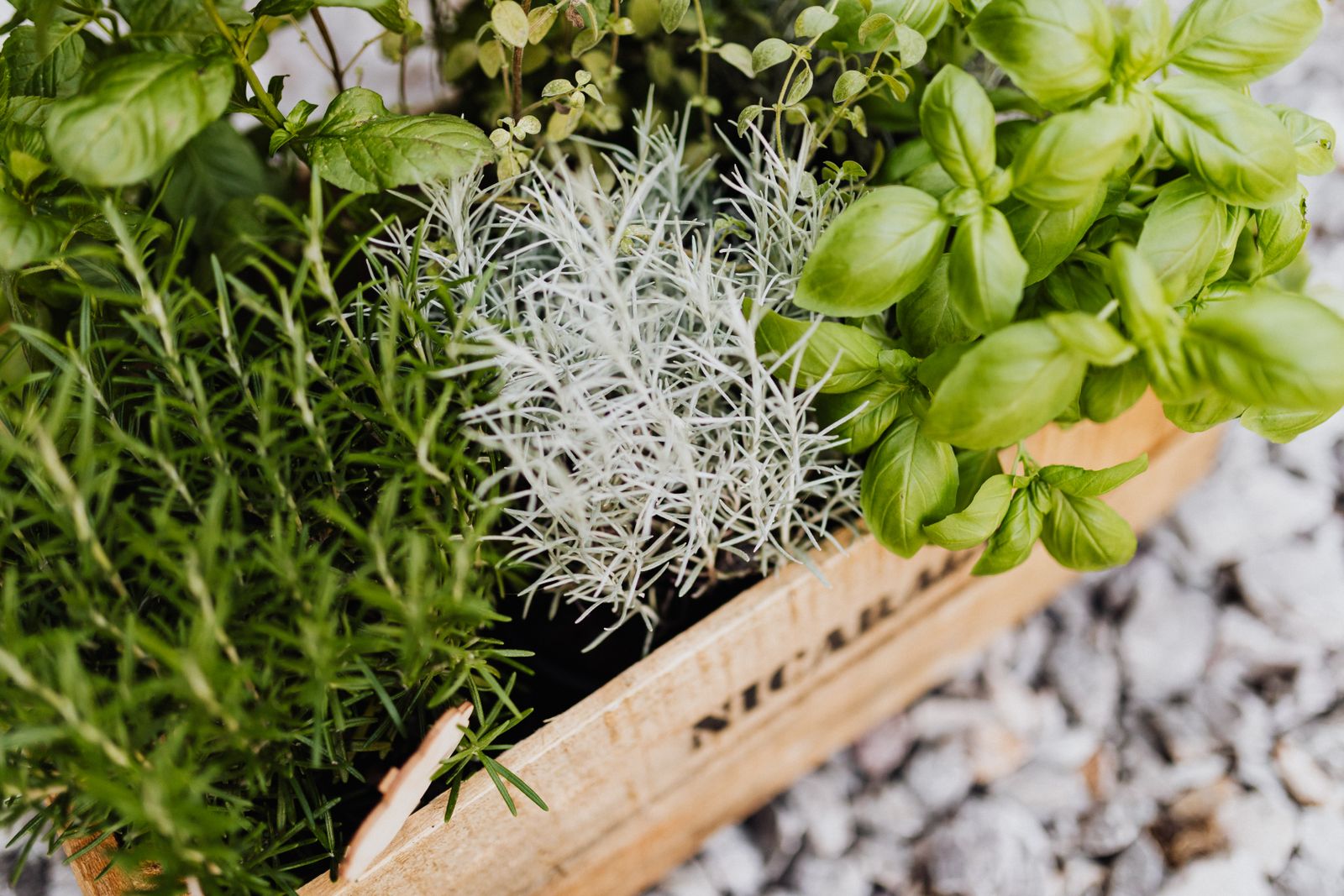
Why Common Houseplant Care Fails Potted Herbs
Many houseplant habits—daily watering, deep shady spots, and decorative pots without holes—work against the needs of culinary herbs. Mistakes cluster around water management, container choice, and available light, and each one directly alters root health and growth.
The Problem With Overwatering and Poor Drainage
You might water by habit rather than by checking the root zone. Herbs sit in health when their root zone cycles between moist and slightly dry; constant saturation causes oxygen-starved roots and invites root rot. A wet surface can hide soggy lower layers, so push a finger or use a moisture meter 1–2 inches down before adding water.
Look at symptoms: yellowing leaves with soft stems, wilting while the soil is damp, or a sour smell points to overwatering. Reduce frequency, improve drainage, and fluff the potting mix with perlite or coarse sand to restore air pockets. If roots are already mushy, lift the plant, trim black roots, and repot into fresh, fast-draining mix.
Pot Size, Drainage Holes, and Root Health
Using too-large or decorative pots without drainage changes moisture dynamics. Oversized containers hold excess water, keeping the lower root zone wet long after the top feels dry. That delays oxygen access and stresses roots. Conversely, pots that are too small make plants rootbound, reducing nutrient uptake and water distribution.
Always use a pot with drainage holes sized for the container, and match pot volume to the herb’s mature root ball. If you must use a decorative cachepot, keep the herb in a drainage pot and remove it after watering. Repot seedlings into a slightly larger container as they grow; repot established herbs when roots circle the pot or push out drainage holes.
Light Needs: Direct Sunlight vs. Not Enough Light
Herbs vary: basil, rosemary, and thyme need 4–6+ hours of direct or strong bright light, while parsley and chives tolerate lower light. If you treat all herbs like shade-loving houseplants, you’ll see leggy stems, pale leaves, and slow regrowth after harvest. Those are classic signs of insufficient usable light, not a water or fertilizer problem.
Place sun-loving herbs on a south- or west-facing sill or provide a 3000–5000K LED grow light for 10–14 hours when natural sun is weak. Rotate pots weekly so all sides receive light. When light is limited, reduce pot size and watering because low-energy plants use less water and stay wetter longer.
Troubleshooting Fast-Failing Potted Herbs: Symptoms and Solutions
Identify light, water, soil, and pests quickly so you can act before roots or foliage collapse. Small changes — brighter light, better drainage, or a targeted pest treatment — usually reverse decline.
Yellow Leaves, Wilting, and Weak or Leggy Growth
Yellowing leaves often mean either overwatering or nutrient deficiency. Check the top 1–2 inches of soil: if it’s soggy, cut back watering and ensure the pot has drainage holes; if it’s bone-dry, water deeply until excess runs out the bottom.
Wilting can look similar whether the cause is too much or too little water; gently lift the plant from the pot to inspect roots. Brown, mushy roots = root rot from overwatering; tightly matted, white roots circling the pot = rootbound. Repot into fresh mix if roots are damaged or crowded.
Leggy, pale stems (etiolation) mean inadequate light. Move Mediterranean herbs like rosemary, thyme, and oregano to a south- or west-facing window or add a 2,500–3,000 lux LED grow light for 12–16 hours daily. For seedlings and annual herbs such as basil, pinch back tips to encourage bushier growth and rotate pots weekly for even light.
Soil, Fertilizer, and Best Practices for Repotting
Use a free-draining potting mix labeled for containers; avoid heavy garden soil. A good DIY blend: 2 parts loam-based potting mix, 1 part perlite or coarse sand, 1 part compost for steady nutrition. Aim for a pot only 1–2 inches larger in diameter than the root ball to limit soggy soil and excess moisture retention.
Fertilize lightly. Apply a balanced organic liquid fertilizer at half strength every 3–4 weeks during the growing season for annuals and herbs in pots. Overfeeding produces lush, weak growth and increases pest attraction. When repotting, gently tease circling roots and trim only the worst-damaged sections. For rootbound plants, move up one pot size and refresh the top third of soil annually.
Protecting Herbs From Pests and Fungal Issues
Inspect undersides of leaves and new growth weekly for aphids, whiteflies, and mealybugs. Blast small infestations with water, then treat persistent colonies with insecticidal soap or neem oil, following label directions. Neem oil also helps control fungus gnats when applied to soil surface.
Fungus gnats signal consistently wet soil. Let the top 1–2 inches dry, reduce watering frequency, and use a 1/8–1/4 inch layer of horticultural sand or sterile top-dressing to deter adults from laying eggs. For fungal leaf spots and root rot, remove affected leaves, improve air circulation, and avoid overhead watering. If you bring perennial herbs indoors for winter, quarantine and treat them before moving them inside to prevent introducing pests.