



She laughs, shrugs, and says “hormones made me do it,” then asks other moms to top her wildest pregnancy story — and you instantly want to know what happened next. This piece dives into those moments of surprise, embarrassment, and genuine humor, mixing everyday anecdotes with quick explanations of why emotions and behaviors can flip during pregnancy.
Expect a collection of ridiculous, relatable stories paired with short, clear science — so you’ll both laugh and understand what might be driving the chaos. The post also invites others to share their own tales, turning personal confessions into a shared, surprisingly educational conversation about pregnancy brain, mood swings, and the small absurdities of growing a human.
About Pregnancy Hormones and Emotions

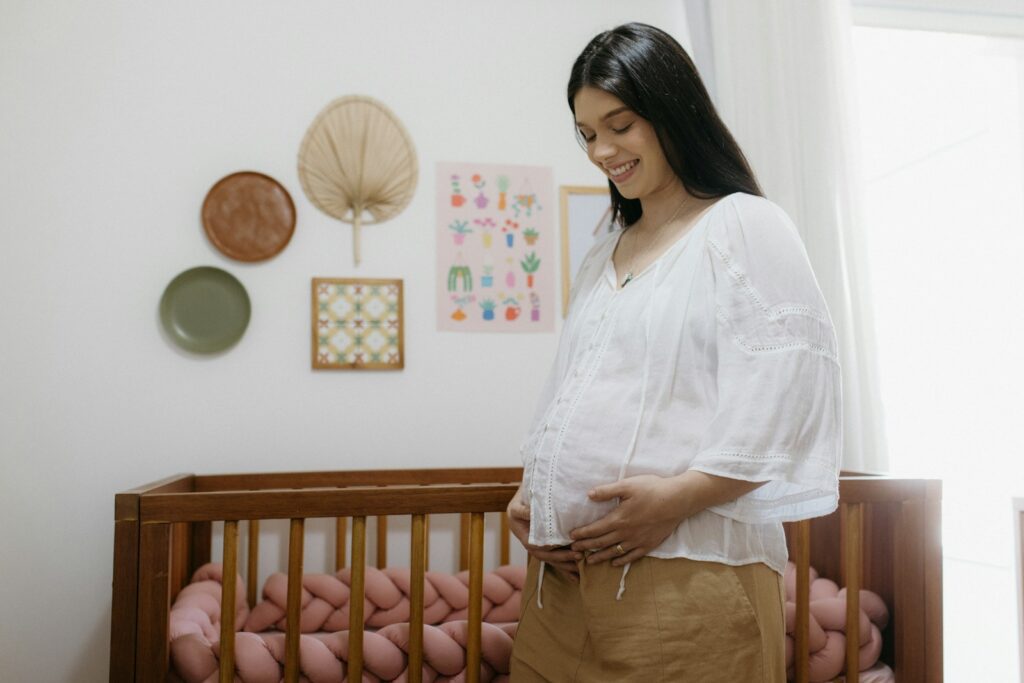
Pregnancy reshapes body chemistry, thinking, and social responses in specific ways. Readers will find clear explanations of which hormones change, how mood and motivation shift, and how reflection and emotional skills interact during pregnancy.
The Endocrine System and Hormonal Changes
The endocrine system releases key hormones—estrogen, progesterone, human chorionic gonadotropin (hCG), prolactin, and oxytocin—that rise and fall across trimesters. Estrogen and progesterone increase dramatically to maintain the uterine lining and support fetal growth; hCG peaks in the first trimester and signals the corpus luteum to keep producing hormones.
Prolactin prepares the body for lactation and modulates stress responses. Oxytocin remains low early on but climbs near labor to promote contractions and bonding. Thyroid and adrenal hormones also shift, often increasing metabolic rate and altering stress-reactivity.
These hormonal shifts affect neurotransmitters like serotonin and dopamine, changing appetite, sleep, and pain perception. Clinically significant changes can occur; clinicians monitor thyroid and mood symptoms when needed.
How Hormones Influence Mood and Behavior
Hormones modulate neural circuits that control mood, reward, and threat detection. Fluctuations in estrogen and progesterone influence serotonin synthesis and receptor sensitivity, which can increase irritability, tearfulness, or sudden laughter in low-stakes situations.
Dopaminergic changes alter motivation and reward-seeking: small tasks may feel more rewarding or more draining depending on the trimester. Increased progesterone and allopregnanolone can produce calming, sedative effects in some women, while others experience heightened anxiety or restlessness.
Behavioral effects show up as altered food cravings, sleep pattern changes, shifts in sexual desire, and transient lapses in short-term memory. Context matters: sleep disruption, social stress, and prior mental-health history shape how strongly hormones change behavior.
Motivation and Emotion During Pregnancy
Motivation often reorganizes around safety and caregiving goals as the pregnancy advances. Expectant mothers commonly report prioritizing fetal health, routine medical visits, and nesting activities; these are tied to evolved motivational systems and hormonal signaling like oxytocin.
At the same time, reward valuation can shift—activities once pleasurable may lose appeal, and small wins (a supportive comment or a good night’s sleep) can feel disproportionately reinforcing. Energy levels vary widely; first-trimester fatigue and third-trimester physical discomfort reduce sustained effort on complex tasks.
Stressors such as financial concerns or relationship strain interact with hormonal states to influence decision-making. Cognitive psychology research shows that reflective processing slows under high fatigue and stress, increasing reliance on habits and heuristic thinking.
Emotional Intelligence and Self-Reflection
Emotional intelligence (EI) helps pregnant people notice and regulate mood swings and social signals. Skills like emotion labeling, perspective-taking, and calming strategies reduce impulsive reactions and improve communication during heightened hormonal states.
Reflective processing—pausing to evaluate feelings—becomes a practical tool when short-term memory and attention fluctuate. Simple practices (journaling brief daily notes, naming emotions aloud, or using guided breathing) improve metacognitive awareness and decision quality.
Developmental context matters: people with strong prior EI or supportive partners often navigate mood changes with fewer conflicts. Health professionals recommend targeted psychosocial support when mood symptoms impair daily functioning, linking developmental science with clinical care.
The Funniest and Most Ridiculous Pregnancy Moments
Pregnancy stories often mix surprise, embarrassment, and warmth: moms misplace keys in the freezer, burst into tears at commercials, or suddenly develop intense cravings. These moments reveal shifts in mood, communication, and social bonds that matter beyond the laugh.
Personal Stories: Laugh-Out-Loud Pregnancy Mishaps
Mothers recount small disasters that turned into shared jokes. One mom describes trying to zip a maternity dress, getting stuck, and calling her partner for a “rescue operation” that included butter and laughter. Another laughed about ordering extra-large coffee and then sneezing so hard she spilled it down her front during a morning meeting.
These anecdotes show changes in confidence and social behavior. A shy woman who rarely speaks up might post a selfie with whipped-cream on her face and get dozens of supportive comments, which helps reduce isolation. Such mishaps also encourage critical thinking in partners and caregivers — figuring out safe ways to help without infantilizing the pregnant person.
The Power of Sharing and Social Support
Sharing embarrassing or funny moments helps build practical support networks. When one mother posts about insomnia and a midnight grocery run, others supply tested hacks — ginger tea, dim lights, or timed walks — that are specific and actionable.
Social development happens here: peer feedback reinforces problem-solving and decreases anxiety. Mothers exchange not just humor, but strategies for boundaries (how to tell well-meaning relatives “no”) and for coping with shyness around new social roles. Those exchanges strengthen community resilience and normalize unpredictable emotional swings tied to hormonal changes.
Language Development: How Moms Express Themselves
Pregnant women often shift how they talk about themselves and their needs. Language becomes more candid and concrete: “I need a pillow under my belly” replaces vague complaints. That specificity helps partners and caregivers respond effectively.
This change also affects identity language. Phrases like “hormones made me do it” get used playfully to explain mood swings, while more deliberate phrasing emerges when mothers discuss parenting values. Observers note improved critical thinking in these exchanges: people evaluate advice, test remedies, and report back, refining the shared vocabulary around pregnancy and early parenting.
How Social Media Inspires Community
Online platforms amplify silly pregnancy moments into communal rituals. A viral thread of accidental naps in grocery carts or misread prenatal labels becomes a living FAQ for clueless or anxious parents-to-be.
These threads support social development by connecting isolated individuals to diverse perspectives. They reduce shyness by offering low-risk ways to interact — reacting to a meme or replying to a comment. Practical benefits follow: crowdsourced tips for sleep, language used to ask for help, and peer-reviewed hacks for managing common pregnancy side effects circulate quickly and stay searchable.
The Science Behind Pregnancy Brain and Behavior
Pregnancy changes hormone levels, brain activity, and everyday choices. These shifts affect attention, memory, sensory sensitivity, and how mothers reframe mistakes as funny or meaningful.
Brain Research: What’s Really Happening?
Researchers use fMRI, PET scans, and EEG to track neural changes across pregnancy and into postpartum. fMRI studies show altered activation in regions tied to emotion and social cognition; PET and EEG add timing and metabolic context. Findings do not show widespread cognitive collapse, but they do reveal subtle shifts in attention, working memory, and reward processing.
Hormones such as progesterone, estrogen, oxytocin, and cortisol cross the blood–brain barrier and modulate neurotransmitter systems. Cognitive psychology links these chemical changes to differences in task switching, distractibility, and prioritization of infant-related information. Neuroplasticity during pregnancy also reorganizes circuits in the cerebral cortex and limbic areas to prepare for caregiving.
The Cerebral Cortex and Cognitive Processing
The cerebral cortex undergoes structural and functional remodeling during pregnancy. MRI studies report small reductions in gray matter in regions of the prefrontal and temporal cortex, changes that correlate with increased salience for social and parental cues. These changes affect executive functions like planning and inhibition rather than global intelligence.
Local changes in the prefrontal cortex can explain momentary lapses in organization or multitasking. Deep lesioning and intracranial stimulation data from other populations help researchers localize function, showing how specific cortical areas support working memory and decision making. Pregnant people often compensate with strategies—lists, routines, and social reminders—that reduce the real-world impact of cortical shifts.
Sensation, Perception, and Decision Making
Pregnancy amplifies sensory processing for smell, taste, and touch, altering perception in ways that shape decisions. Heightened olfactory sensitivity can produce aversions that influence eating, travel, and household choices. These perceptual shifts are measurable on EEG as altered sensory-evoked potentials and on fMRI as increased activation in sensory cortices.
Decision making becomes more context-dependent, with reward systems responding differently to infant-related versus abstract rewards. Cortisol and oxytocin modulate risk assessment and social valuation, nudging mothers toward choices that prioritize safety and bonding. Cognitive psychology frameworks—dual-process models of fast intuitive versus slow deliberative thinking—help explain why some decisions feel impulsive while others become hypervigilant and cautious.
Creative Thinking: Turning Mishaps Into Humor
Creative thinking often rises when routine cognitive control loosens. When executives in the prefrontal cortex downshift, associative networks can connect more freely, producing novel comparisons and funny reinterpretations of mistakes. Mothers report reframing pregnancy slip-ups as stories to share; this reframing recruits language and default-mode networks visible on fMRI.
Social sharing reinforces creative reframing through reward circuitry. PET and fMRI studies show that social laughter and acceptance activate dopaminergic pathways, making humor a reinforcing strategy. Cognitive psychology highlights this as adaptive: humor reduces stress, strengthens bonds, and transforms minor errors into memorable anecdotes rather than sources of shame.
Reflecting on the Good, the Bad, and the Absurd
Stories range from harmless kitchen mishaps to nights spent worrying over mood swings. Readers learn practical takeaways about handling stress, shaping behavior, and honoring personality differences.
Active Learning from Embarrassing Moments
Mothers turn awkward episodes into experiments in problem solving. When one woman kept craving pickles at 3 a.m., she logged triggers and outcomes, then adjusted meal timing and hydration to reduce nighttime hunger. That simple cycle—observe, test, adjust—mirrors active learning and operant conditioning: a behavior occurs, gets feedback, and either increases or decreases.
Peer sharing amplifies learning through social learning theory. Hearing a neighbor’s strategy to curb nausea (ginger lozenges, slow breaths, short walks) provides a low-risk model to copy. Clinicians also note that reflecting on what failed builds resilience and refines plans for future stressors without dismissing feelings.
Coping with Stress and Finding Joy
Stress and health links appear in many anecdotes: sleep loss magnified irritability, and chronic worry amplified heart rate and back pain. Practical stress management techniques helped mothers regain control—breathing exercises for acute panic, scheduled microbreaks during long days, and short cognitive reframes to interrupt catastrophic thoughts.
They also cultivated small daily pleasures to balance tension. One mother kept a “joy jar” where partners dropped notes about funny fetal kicks; reading them before bed lowered cortisol and improved mood. These concrete tactics align with research on mood disorders prevention: structured routines, social support, and targeted coping reduce risk of longer-term psychological disorders.
Embracing Individuality and Personality
Personality theories explain why reactions vary: a highly conscientious mother plans extra appointments, while a high-neuroticism mother scans for worst-case scenarios. Recognizing these patterns helps tailor support—practical checklists for planners, reassurance and problem-solving strategies for anxious parents—rather than one-size-fits-all advice.
Psychodynamic perspectives and social learning both matter: early attachment styles shape expectations, while modeled responses from family influence coping. Encouraging mothers to accept their temperaments and borrow adaptive behaviors from peers creates a toolbox that respects individuality and improves outcomes.
More from Decluttering Mom: