

A pregnant woman’s account of being pushed out of her sister’s wedding party because of fears she will not lose “baby weight” in time has struck a nerve with readers who recognize both the cruelty and the familiarity of the story. The anonymous poster says she was sidelined from bridesmaid duties purely on appearance grounds, turning what should have been a shared family celebration into a painful lesson in how body image pressures can fracture even close relationships.
Her experience, shared on a popular parenting forum and amplified across lifestyle coverage, captures a collision of expectations: a bride’s desire for a curated aesthetic, a sister’s hope for support during pregnancy, and a wider culture that still treats women’s bodies as decor to be managed rather than lives to be cared for.

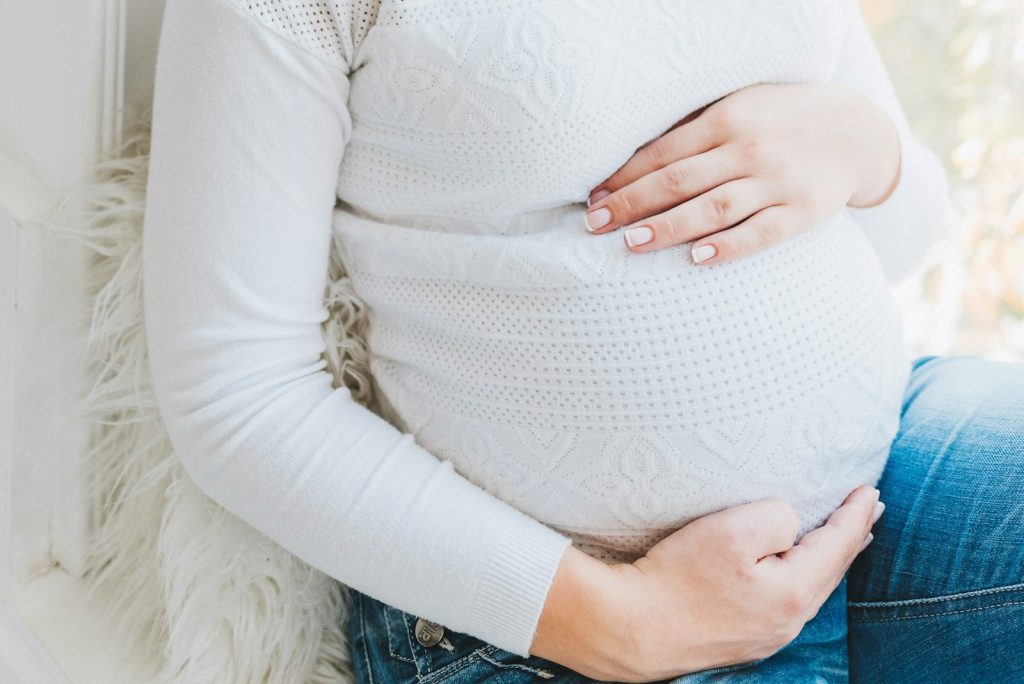
The Christmas Day conversation that changed everything
According to the woman’s account, the fallout began when her sister finally explained why she had not been asked to be a bridesmaid. The pregnant sister had assumed the delay was an oversight or a matter of logistics, only to be told that the real concern was how she might look in the wedding photos if she had not shed enough “baby weight” by the time of the ceremony. The bride reportedly framed it as a practical decision about the bridal party’s appearance, making clear that her sibling’s postpartum body was the deciding factor.
The woman says the conversation happened on Christmas Day, turning a holiday visit into a confrontation about her size and future shape. Learning that her own sister saw her pregnancy and recovery as a visual risk, rather than a life event to be supported, was described as especially hurtful, and she later wrote that she “feel[s] so bad about this” after the exchange was relayed in coverage of the pregnant woman excluded from the bridal party.
‘Baby weight’ as a condition of sisterhood
At the core of the dispute is the bride’s insistence that her sister’s place in the wedding party depends on how quickly she can change her body after giving birth. The poster recounts that her sibling explicitly worried she would not lose enough “baby weight” in time, and that this was the reason she was not invited to stand beside her at the altar. In other words, the role of bridesmaid was treated less as an honor for a close relative and more as a conditional offer tied to a narrow standard of beauty.
Reporting on the exchange notes that the bride “said that she is concerned” about how her sister will look and whether she will have lost the weight by the time of the ceremony, a detail that underscores how the decision was rooted in appearance rather than availability or health. The pregnant woman, who shared her story on a parenting forum, described feeling sidelined from the wedding party over concerns about her body, not her relationship with the bride.
Mumsnet backlash and the ‘bridezilla’ label
The woman first laid out the situation on Mumsnet, a forum where users often dissect family dilemmas and wedding drama. She wrote that she was “sad” not to be asked to be a bridesmaid and questioned whether she was overreacting to her sister’s explanation. The post quickly drew strong responses, with many commenters focusing less on the poster’s feelings and more on the bride’s priorities, arguing that reducing a sibling’s role to a question of weight was inherently unkind.
Coverage of the thread highlights that the original poster turned to the community’s “NEED TO KNOW” style of advice, asking if she should confront her sister or step back from the event. In response, users on Mumsnet and elsewhere did not mince words, with some calling the bride “self-centered” and “shallow” and another commenter suggesting the pregnant woman had “dodged a bullet” by not being part of what they described as classic “bridezilla” behavior.
How wedding aesthetics collide with body image and pregnancy
The story has resonated in part because it exposes how wedding culture can magnify existing pressures on women’s bodies. Brides are often encouraged to treat the ceremony as a kind of staged production, complete with coordinated dresses, strict color palettes, and curated photo moments. In this case, that mindset appears to have extended to policing a pregnant sister’s postpartum body, with the bride openly prioritizing a slim, uniform bridal party over the emotional reality of pregnancy and recovery.
Commenters and coverage alike have framed the decision as a stark example of how body image expectations can override empathy. The pregnant woman herself reportedly described the choice to exclude her as “mean,” and readers echoed that assessment, arguing that no set of wedding photos is worth damaging a sibling relationship. One summary of the reaction notes that the bride’s focus on “baby weight” and visual perfection led many to see her as a self-centered bride
Family fallout and what happens after the wedding
Beyond the immediate hurt, the episode raises questions about how families repair trust after such a public and personal slight. The pregnant woman has to decide whether to attend the wedding as a regular guest, confront her sister more directly, or distance herself from the event altogether. Each option carries emotional costs, especially given that the conversation unfolded on Christmas Day, a moment when many families hope to set aside conflict. The bride, meanwhile, may not fully grasp how her comments about “baby weight” could linger long after the last dance.
Online reaction suggests that the damage may already be significant. Social media posts summarizing the story describe a “Bride” whose decision to exclude her sister over “baby weight” worries has fueled hashtags about “weddingdrama” and “familytensions,” with readers criticizing what they see as a self-centered bride putting aesthetics above kinship. For the pregnant woman at the center of the story, the real test will come not in the wedding photos but in whether her sister can acknowledge the hurt and rebuild a version of sisterhood that is not contingent on the scale.
More from Decluttering Mom: