


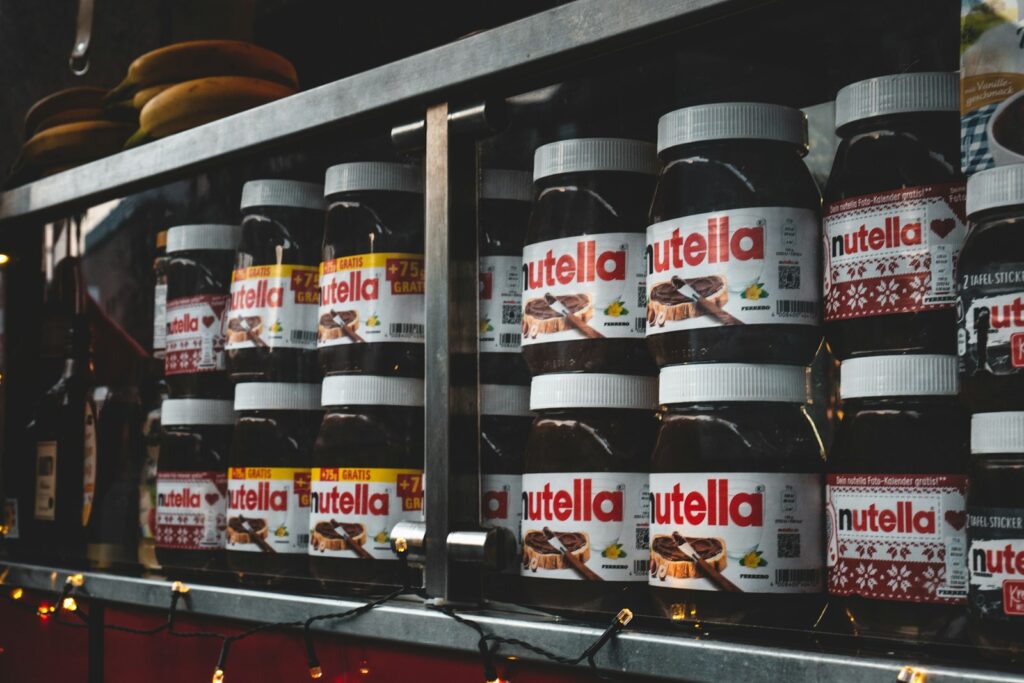
Snack aisles and medicine cabinets just got a lot more complicated. A sweeping recall tied to possible rodent contamination has pulled familiar names like Pringles, Nutella and Cheerios off shelves, along with pain relievers, cosmetics and even pet food. Regulators say nearly 2,000 products are affected, turning a behind-the-scenes warehouse problem into a very public clean‑up job.
The recall centers on a single distributor but ripples out to big brands and everyday staples that shoppers reach for without a second thought. It is a reminder that food safety is only as strong as the least sanitary stop in the supply chain, and that one facility’s pest problem can suddenly become everyone’s problem.
How a single distributor triggered a 2,000‑product mess

The trouble traces back to Gold Star Distribution, a Minneapolis company that moved everything from snacks to over‑the‑counter drugs through a warehouse where federal inspectors later found rodent feces, urine and other unsanitary conditions. After the FDA documented the contamination, Gold Star agreed to pull a huge range of inventory that had been stored there. Regulators described the action as a Class II recall, a category that, as one notice explains, covers products that could “cause temporary or medically reversible adverse health consequences or where the probability of serious adverse health consequences is remote,” language echoed in a separate classification summary.
Federal records show the Company Announcement Date and Publish Date for the action lined up in late December, when the FDA detailed how food, drugs and cosmetic items had been stored alongside Animal & Veterinary products. That mix, combined with evidence of pests, pushed regulators to act before anyone got sick. Officials later stressed that no illnesses had been reported as of Jan. 29, a point repeated in a consumer update, but the scale of the contamination risk left little room for hesitation.
Big‑name brands caught in the fallout
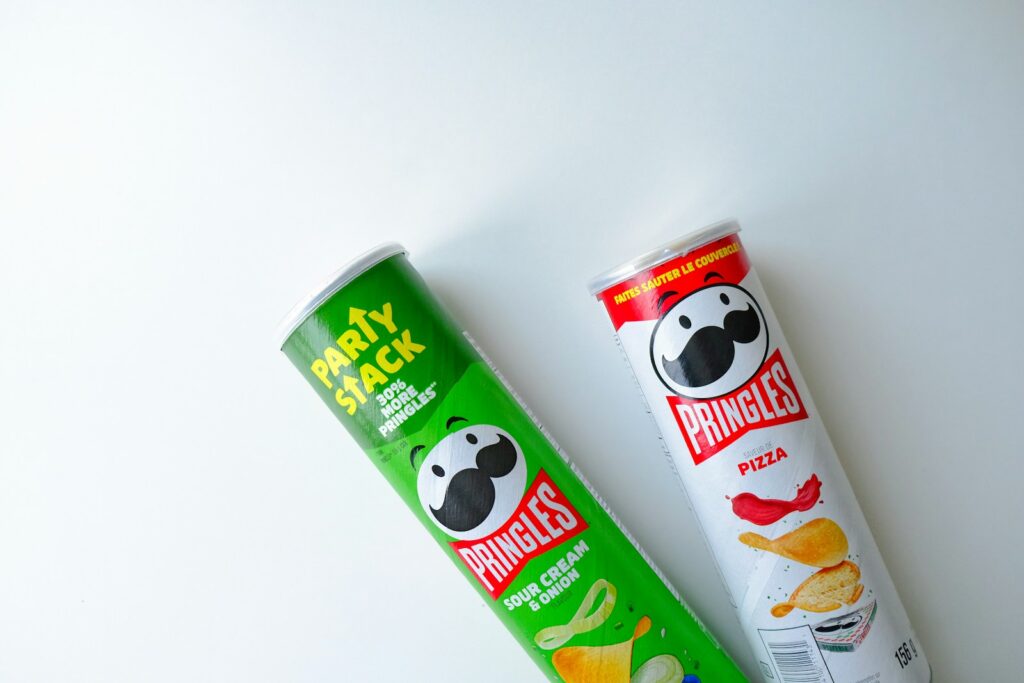
The recall is eye‑catching not just for its size but for the logos involved. Nearly 2,000 food items, drugs and cosmetic products are affected, including Pringles, Tylenol and Nutella, according to reporting by Liesel Nygard. Another breakdown describes a “Massive Recall” involving nearly 2,000 items and highlights how Pringles, Nutella and ended up in a 2,000-Product Product Rodent Waste. Another summary notes that Thousands of items, including Cheerios, Gatorade and, were swept up, alongside Advil, Tylenol and Nyquil, underscoring how far the contamination concerns reached.
It is not just breakfast and pain relief on the line. One consumer guide notes that the list of recalled items includes beverages like Coca Cola, Diet Coke, Pepsi, Sprite, Dr Pepper and other sodas, along with snacks and pantry staples that rarely make headlines for safety issues. Another overview of the products involved points out that pet food, dietary supplements and cosmetics are also part of the mix, which means the recall touches everything from dog bowls to bathroom shelves. For shoppers, it is a jarring reminder that a familiar label is not a guarantee of what happened in the warehouse before that product landed in the cart.
Rodent waste, “pest filth” and what Class II really means
At the heart of the scare is something no one wants near their snacks: rodent waste. Inspectors reported rodent feces and urine at the Gold Star facility, along with other signs of infestation, conditions that led directly to the recall described by the FDA. One account of the inspection details how the warehouse stored food, drugs and cosmetic products in the same environment where pests had clearly been active, a combination that regulators treat as a serious contamination risk even if no specific package is visibly soiled. Another narrative describes how Shoppers across the Midwest woke up to the news that familiar snacks and staples might have been exposed to “pest filth,” a phrase that captures both the health concern and the visceral disgust.
Regulators slotted the situation into a Class II recall, a middle tier that signals real but generally non‑life‑threatening risk. As one definition explains, that label is used when products could cause temporary or medically reversible health problems, or when the chance of serious harm is considered remote. Another consumer‑facing summary of the rodent contamination notes that no illnesses have been reported related to the recall, a point echoed again in a separate update. That does not make the situation trivial, but it does mean the recall is about cutting off potential problems early rather than reacting to a wave of confirmed sickness.
From Jolly Ranchers to Tylenol: what is actually on the list
For anyone trying to figure out what to toss, the list is sprawling. One breakdown of the affected Candies notes that Jolly Ranchers, Skittles and Sour Patch Kids were all caught up, along with other snacks like Pringles and Takis. Another consumer explainer on the Massive Recall highlights that Nutella, Cheerios and other breakfast and snack staples are part of the same 2,000-Product alert. On the beverage side, the list of recalled items includes Diet Coke, Pepsi, Sprite, Dr Pepper, Mountain Dew and Canada Dry, according to a January roundup.
On the medicine shelf, the same recall notice that flagged Pringles and Nutella also lists Tylenol among the affected products, part of a group of Nearly 2,000 items. Another summary of the Thousands of recalled products, by Nick Jachim, notes that Advil, Tylenol and Nyquil are all on the list, alongside Cheerios and Gatorade. For a full accounting, regulators are steering people to the FDA website, where shoppers can search by brand, lot number or category to see if something in their pantry or medicine cabinet is affected.
What shoppers should do now
For consumers, the guidance is blunt: if a product is on the list, do not use it. One advisory stresses that customers and retailers who purchased the affected items should destroy them or return them, a point repeated in a consumer notice that also reminds people that no illnesses have been reported as of Jan. 29. Another overview of the grocery recall notes that the products span pet food, over‑the‑counter medications, candy, dietary supplements and cosmetics, so shoppers need to think beyond the kitchen when they check their homes. Regulators are also nudging people toward the FDA database for the most up‑to‑date information.
Retailers, for their part, have been told to pull affected stock and work through their own inventory systems to identify any lingering items tied to Gold Star’s warehouse. One recall summary notes that the action covers products distributed in three states, but the brands involved are national, which means shoppers outside that core region are still double‑checking labels. Another consumer‑focused breakdown of the Nearly 2,000 recalled items emphasizes that the safest move is to follow the instructions in the recall notice, whether that means discarding a product outright or returning it to the store for a refund.
More from Decluttering Mom: