

Some decluttering advice is gentle. This is the other kind. Instagram creator @method_seattle, who tags the post with professional organizer, empty nester and midlife hashtags, opens with a question: are you ready to free yourself from the bondage of midlife clutter? The caption promises it does not have to be hard, and then the spoken part delivers a string of short, blunt lines that are meant to knock loose the excuses people hold onto for years.

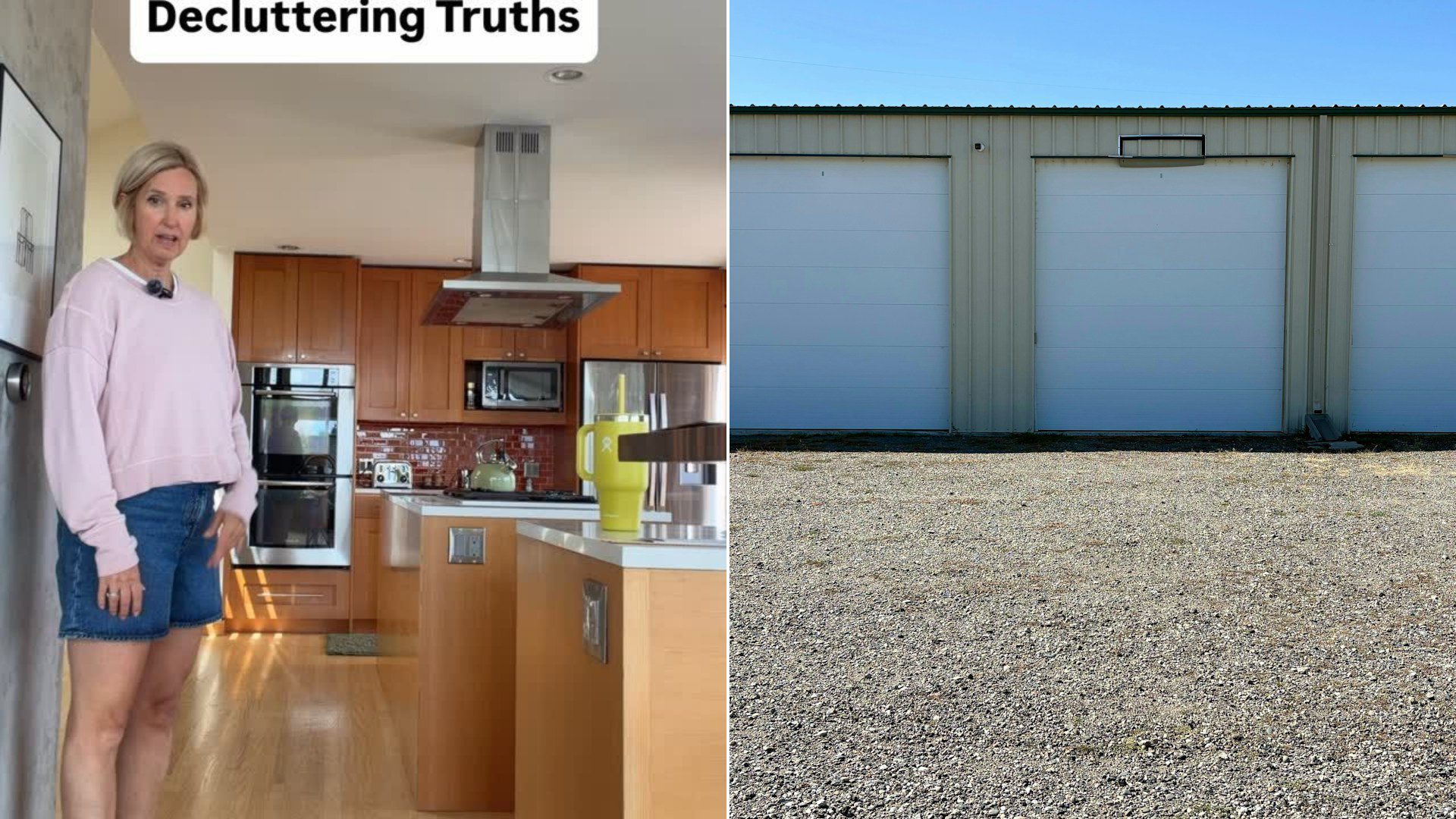
The lines are worth reading one at a time, because each one targets a different reason a house stays full. Here is what the creator says, and what the research and the experts say about it.
“If you’ve run out of space, you don’t need more storage”
The first statement goes straight at one of the most common fixes for a crowded home: buying more containers, shelves or even a rented unit. The creator says that if you have run out of space, you do not need more storage. Then comes the harder part. The money was wasted ten years ago, when you bought it.
That is a tough thing to hear, but it is a useful way to look at sunk costs. What you paid for an item years ago is gone whether it sits in your garage or goes to a donation center. Keeping it does not bring the money back.
The storage industry offers a sense of how widespread this is. According to a roundup of self storage statistics from HireAHelper, 12.6 percent of U.S. households used self storage in 2023, up from under 10 percent before the pandemic. The same page lists not having enough space at home as a reason for 29 percent of users, and notes that units are often used for seasonal items or things that clutter the home. If you are paying monthly rent for boxes you rarely open, the creator’s point is that you may be paying to avoid a decision.
“You are not responsible for keeping things that are important to other people”
This is the line that may free the most people. Many homes hold items that belong in a family story but not in your closet: a relative’s china, a friend’s old collection, gifts you never liked but felt you had to keep. The creator’s position is that you are not responsible for keeping things that matter to someone else.
That does not mean tossing a treasured piece without a word. It means giving yourself permission to pass it along, return it to the person it matters to, or let it go. Memories live in people, not only in objects.
“Your valuable collection is not worth the effort it will take to sell”
Many people hold on to collections because they believe they are worth something. The creator’s blunt view is that the effort of selling often outweighs the payoff. Experts quoted in a Kiplinger Personal Finance article by Cameron Huddleston back up the idea of setting realistic expectations. They advise that sale prices will usually land well below what you paid, that consignment stores typically keep about half of the sale price, and that estate sales often bring in about a third of an item’s original price for high quality goods. The article also notes that stamps, mass produced figurines, crystal, china and silver plated serveware are among the harder things to sell.
The takeaway is not that nothing has value. Artwork, antiques, furniture, high end rugs and jewelry are generally worth the time, according to the same article. But if a collection has sat for years because you keep meaning to sell it, the creator suggests that is a sign the effort may never feel worth it.
“Your kids don’t want the stuff you saved”
This may be the hardest line for parents. Plenty of people save school projects, sets of dishes and furniture for children who are now adults with homes of their own. The creator says it plainly: your kids do not want the stuff you saved.
The Kiplinger piece supports the point. It cites an estate transitions founder who says adult children often have their own possessions and no room for more, and it advises asking your children what they actually want and sorting through things together instead of leaving the job to them later. Asking is kinder than guessing, and it can save everyone from a hard weekend of clearing a house after the fact.
“You are never going to use it someday”
The word someday does a lot of work in a cluttered home. Someday the bread maker will come out. Someday the sewing machine will be set up. The creator calls it as it is: you are never going to use it someday. A simple test is to ask whether you have used the item in the last year and whether you would buy it again today.
“I’ve had it forever” is not sentimental attachment
The final line may be the sharpest. Owning something for a long time is not the same as loving it. True sentimental items tend to be the ones that bring up a specific person or memory when you hold them. Things you have simply stepped around for decades usually do not qualify.
How to use these lines
- Pick one line per week. Walk through the house with that one idea in mind and see what it uncovers.
- Do a storage check. If you rent a unit or have a packed attic, ask what you would do if you had to pay for every box to be moved.
- Call your kids. Ask which items they actually want, and give them a deadline so the rest can go.
- Price the valuables once. Look up what comparable items really sell for, then decide whether you will sell within a month or donate.
- Keep a short sentimental box. Choose a limited space for true keepsakes and let that space set the limit.
- Start small. The creator promises it does not have to be hard, and a free quick start guide is offered to anyone who comments GUIDE on the post.
The bottom line
None of these lines are unkind, but they are direct, and that is why they stick. They name the stories people tell themselves to keep things, and they give you another story to try: that letting go makes room for the things that matter.
If you read one line above and felt a small sting, that may be the place to start. Pick one shelf, one box or one corner, and apply the question that fits. A single honest decision can be the start of a much lighter home.