


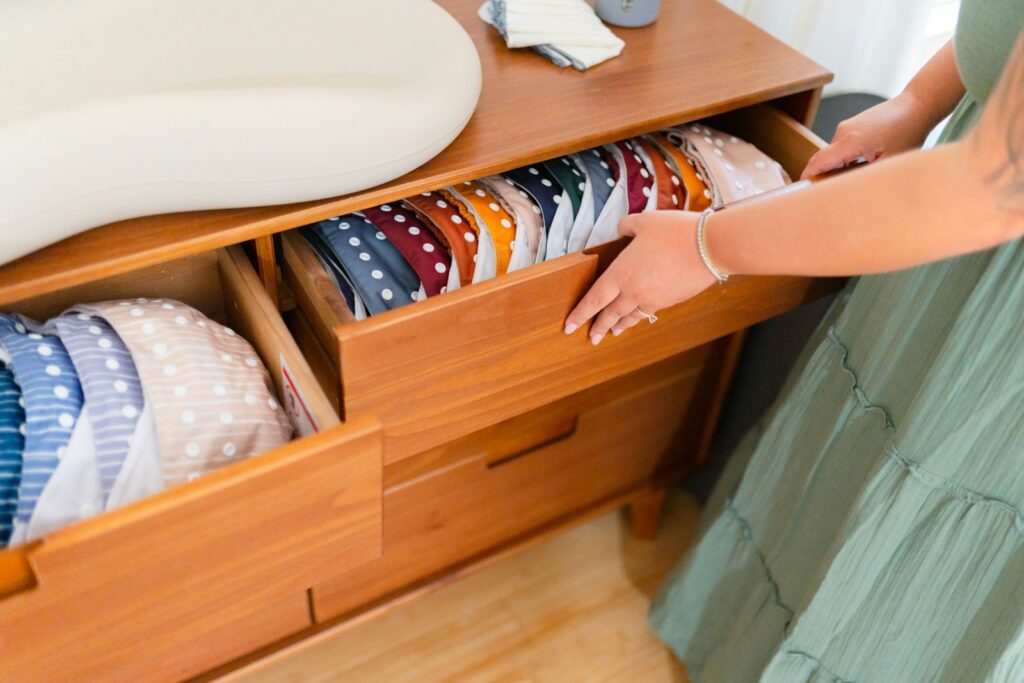
Sixty-seven percent of people say they feel disorganized “always” or “frequently,” according to a national survey from the National Association of Productivity and Organizing Professionals. Almost 43 percent say clutter fills most or all of their home. You’ve probably bought a bin system at some point to fix this — the labeled totes, the drawer dividers, the stackable baskets that promised a place for everything. Professional organizers will tell you those tools only work once you’ve already made the harder decision: what to keep, what to let go, and when to decide. The rule that actually clears clutter has nothing to do with storage capacity. It’s about how many times you let yourself pick an item up before doing something final with it.
What “Touch It Once” Actually Means
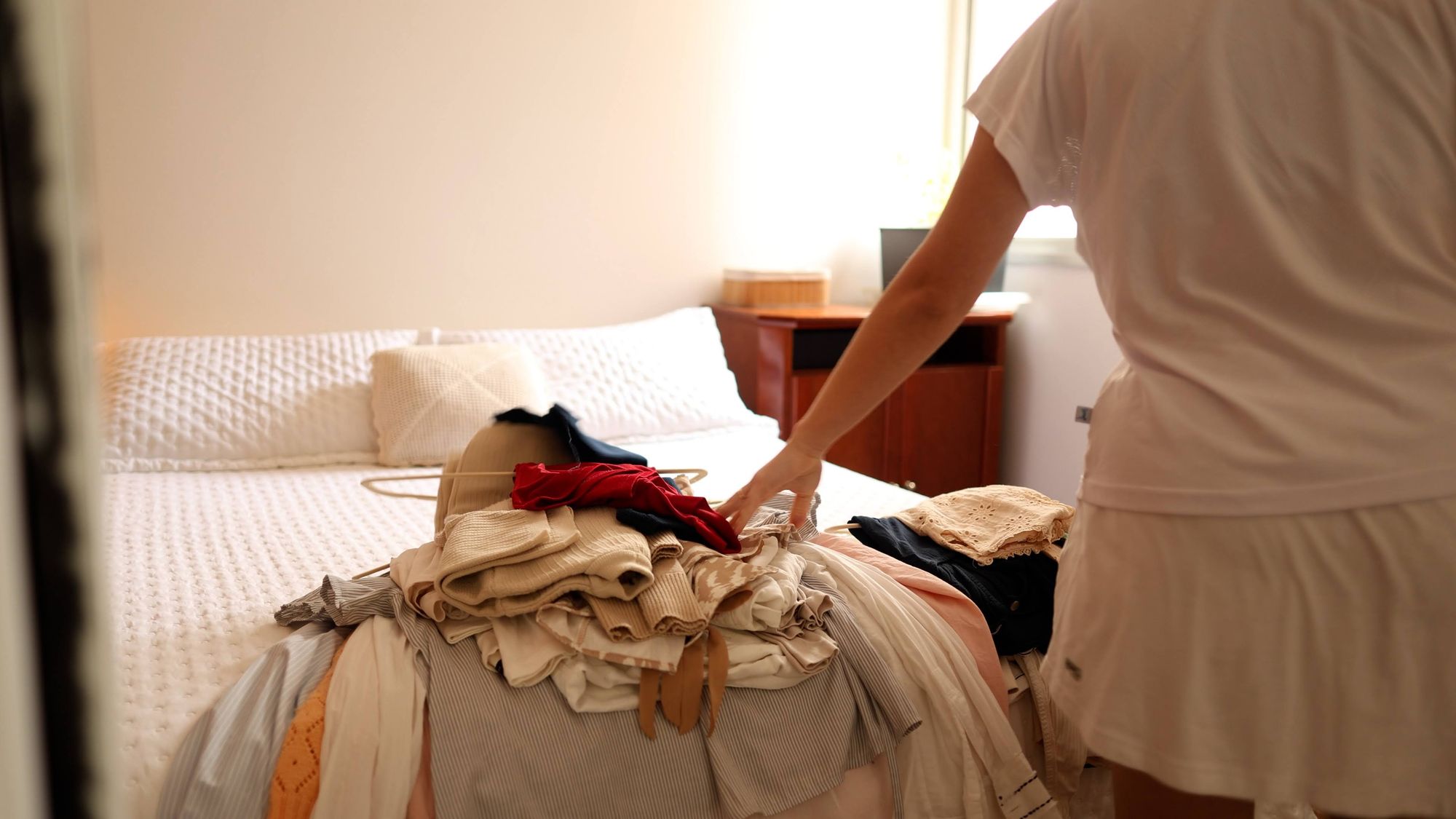
The principle, sometimes called the touch-it-once rule, is simple to state and hard to practice: when you pick something up during a decluttering session, you make a final decision about it right then, instead of setting it down “for now” and coming back to it later. That means every item gets sorted into keep, donate, sell, or trash in the moment you’re holding it, not shuffled into a pile to be reconsidered next week. Psychology Today‘s organizing coverage describes the core appeal plainly: it saves time and cuts down on the repeated decision-making that turns a one-afternoon cleanout into a months-long slog of half-sorted piles.
Why It Beats Buying More Bins
Bin systems solve a storage problem. They don’t solve a decision problem, and clutter is fundamentally a decision problem. A bin still requires you to decide what goes in it, and most clutter accumulates precisely because those decisions kept getting deferred — the shirt that might fit again someday, the gadget you’ll probably need eventually, the stack of papers you’ll sort “later.” CNBC’s reporting on the touch-it-once method describes how repeatedly picking something up and putting it back down without resolving it wastes real time: you end up redoing the same mental work multiple times because it never got finished the first time. Unfinished decisions also carry a psychological cost, since half-resolved piles and pending choices tend to linger in the back of your mind even when you’re not actively looking at them, making it harder to feel settled in a space that still has decisions hanging over it.

The Honest Limits of the Rule
The rule isn’t absolute, and even its proponents say so. Psychology Today’s coverage of organizing principles notes a real practical wrinkle: carrying single items to their destination room one at a time, rather than batching similar items together, can waste physical effort even as it saves decision effort. The same coverage points to a reasonable workaround rather than abandoning the rule entirely — a small “limbo” holding spot for the rare item you genuinely can’t decide about in the moment, so indecision on one object doesn’t stall the whole session. The point isn’t that every single item gets touched exactly once with zero exceptions. It’s that “I’ll figure it out later” stops being your default answer, since that phrase is how clutter piles form in the first place.
Where the Real Payoff Shows Up
The NAPO survey offers a clue about what actually changes once households get organized, even briefly: among the small share of respondents who’d hired a professional organizer, close to 43 percent reported less clutter afterward, nearly 38 percent reported less stress, and a third said they could find things faster. None of those outcomes required new furniture or storage products. They followed from someone finally making the keep-or-go call on items that had been sitting in limbo. That’s the part a bin system can’t do for you — it can hold your decisions, but it can’t make them.
How to Actually Run a Touch-It-Once Session
In practice, this looks less dramatic than it sounds. Pick one drawer, one shelf, or one closet section — not the whole house at once, which is how most decluttering attempts stall before they finish. Set out four destinations before you start: keep, donate, sell, and trash. Then work through the space item by item, and for each one, ask only whether it earns a place in your home right now, not whether it might someday. If the answer isn’t an immediate yes, it goes. The NAPO survey found donation is by far the most common route people choose for unwanted items, well ahead of throwing things away outright, which suggests most of what’s cluttering a typical home isn’t trash. It’s just stuff that never got a final decision made about it.
The Bottom Line
Clutter isn’t a shortage of containers. It’s a backlog of decisions you’ve been putting off, one paused choice at a time. The touch-it-once rule works because it forces the decision at the only moment you’re already holding the object anyway, and it doesn’t require a single purchase to start using it today.