

Pruning at the wrong time can undo weeks or even years of care by stressing plants, reducing blooms, and opening doors to pests and disease. If you want healthy growth and reliable blooms, learn when to cut and how much to remove so each pruning cut helps rather than harms.
You’ll get practical tips on how timing shapes recovery, which pruning techniques preserve vigor, and how to build a simple pruning plan that matches each plant’s lifecycle. Small changes to when and how you prune deliver bigger harvests, stronger shrubs, and fewer surprises.

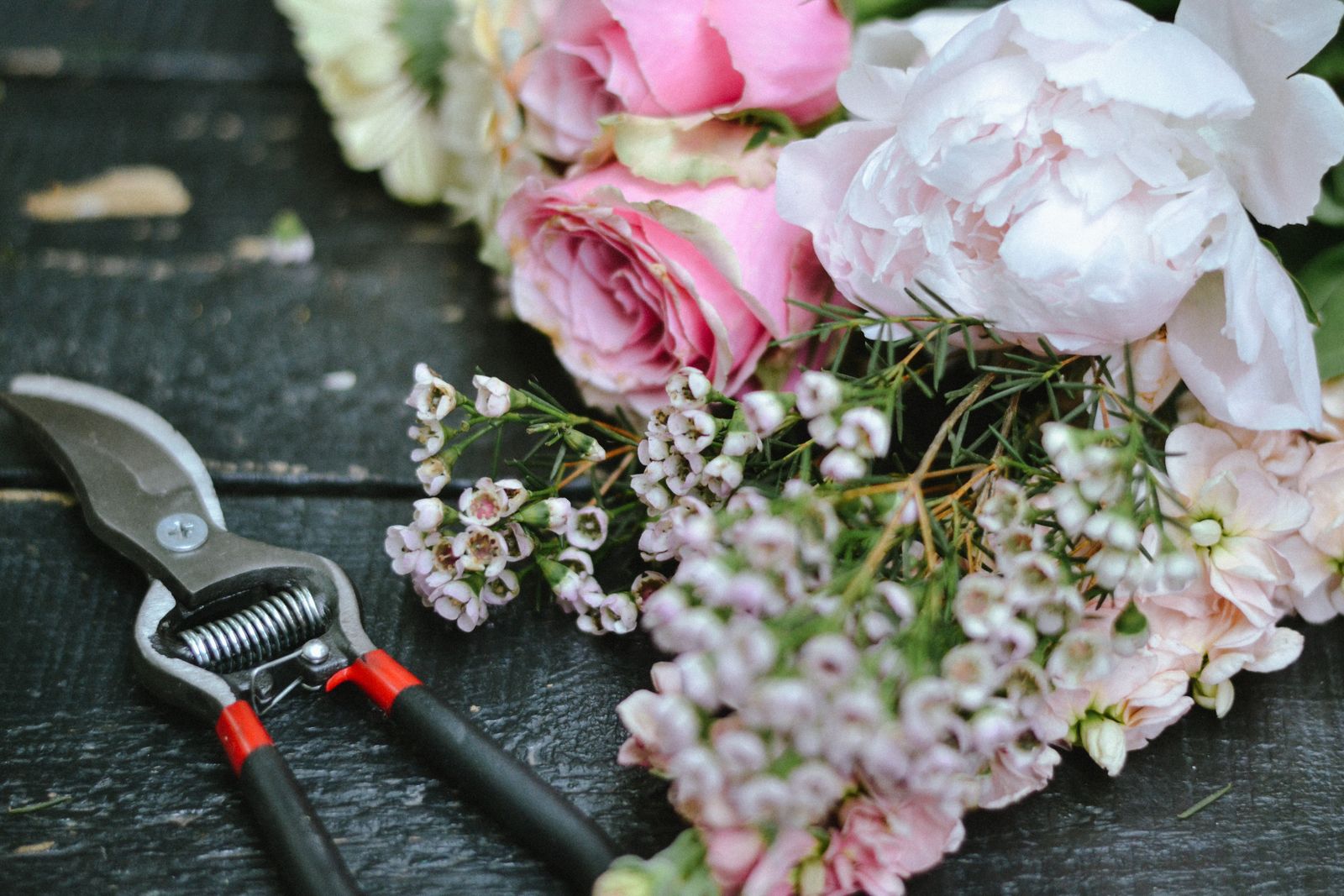
How Timing Impacts Pruning Success
Timing determines whether a cut helps or harms your plant. Prune at the right stage of growth, and you encourage flowering, structure, and disease resistance; prune at the wrong time, and you risk lost blooms, weak growth, or frost damage.
Seasonal Considerations for Different Plants
Deciduous trees and many shrubs respond best to dormant pruning in late winter. Cutting then removes dead wood and shapes structure before spring growth, and it reduces disease spread because pathogens are less active. For spring-flowering shrubs that bloom on old wood—like lilac and forsythia—you must prune immediately after flowering so you don’t remove next year’s buds.
Summer-flowering shrubs and many roses bloom on new wood, so pruning in late winter or early spring stimulates the vigorous stems that set flowers. Avoid heavy pruning in fall; it often triggers tender shoots that can’t harden off before frost. Evergreens usually need only light maintenance pruning and benefit from late spring trimming to tidy growth without disrupting winter resilience.
Understanding Growth Cycles and Pruning Schedules
Identify whether a plant flowers on old wood or new wood before you set your pruning schedule. If it blooms on old wood, your pruning plan should be anchored to flowering dates. If it blooms on new wood, schedule major cuts in dormancy to promote strong new stems during the growing season.
Match pruning timing to the plant’s physiological stages: dormancy (root and bud formation), active shoot growth, flowering, and fruit set. Use a simple annual calendar: mark flowering periods, note dormancy windows, and add a single planned pruning session for structure, plus one optional light summer trim for size control. This approach helps you avoid ad hoc cuts that can harm flowering, reduce fruit yields, or create long-term structural problems.
Consequences of Ill-Timed Pruning
Pruning at the wrong time can remove buds and eliminate an entire season’s flowers or fruit. For example, cutting spring-flowering shrubs in winter commonly strips the next season’s blooms because you’ve removed flower-producing wood. Late-season heavy pruning can also spur tender growth that succumbs to frost, causing dieback and creating entry points for disease.
Ill-timed pruning increases pest and pathogen risk when you prune during wet periods or when insects are active. Over-pruning during peak growth stresses plants, reduces carbohydrate reserves, and weakens root-to-shoot balance. That imbalance can cause poor recovery, reduced vigor the following year, and a need for corrective pruning in future seasons.
Best Practices for When to Prune
Create a plant-specific pruning plan that lists each species, its bloom type (old vs. new wood), and an ideal pruning window on your calendar. Use the plan to schedule dormant structural pruning, post-bloom shaping for old-wood bloomers, and light summer maintenance for size control. Keep notes each year on how plants responded.
Follow these practical rules:
- Prune dead, diseased, or crossing wood anytime you see it.
- Do major structural pruning during dormancy for trees and new-wood shrubs.
- Prune spring-bloomers right after flower fade.
- Avoid heavy pruning in fall or during drought.
Use sharp, clean tools and make targeted cuts to preserve energy and reduce disease risk. If you’re unsure, delay a major cut until you can confirm the plant’s growth cycle.
Common Mistakes and How to Avoid Them
Pruning at the wrong time or with poor technique can stress plants, open pathways for disease, and reduce blooms or fruit. Focus on targeted, minimal cuts, clean tools, and correct timing to protect plant health and structure.
Over-Pruning and Removing Too Much Foliage
When you remove more than about one-third of a shrub or tree in a single session, you risk shocking the plant. Heavy pruning reduces stored energy, slows recovery, and can trigger excessive water-sprout growth that weakens structure.
If a shrub is unruly, plan phased reductions across seasons instead of one drastic cut. For fruit trees and ornamentals, keep cuts conservative and preserve scaffold branches and enough leaves for photosynthesis.
Avoid topping trees or cutting main limbs back to stubs; those practices invite rot and weak regrowth. If you must remove a large limb, make an appropriate three-step cut and leave a proper branch collar to help the wound close naturally.
Mistakes with Tools and Techniques
Dirty or dull tools spread pathogens and make ragged cuts that slow healing. Wipe shears and saws with 70% isopropyl alcohol between plants, and sterilize after working on diseased material.
Use the right tool: bypass pruners for live stems, anvil pruners only for dead wood, loppers for thicker branches, and a pruning saw for limbs over 1 inch. Keep blades sharp to create clean cuts that the plant can seal quickly.
Match your technique to the job: cut at a slight angle just above a bud for shoots, and prune to outward-facing buds to shape growth. Wear gloves and eye protection, and avoid crushing stems by using steady, single cuts rather than sawing motions with pruners.
Improper Cuts and Wound Closure Issues
Cuts made too close to the trunk remove the branch collar and delay wound closure; cuts made too far out leave stubs that rot. Learn to identify the collar and cut just outside it to support natural healing.
Do not paint wounds or apply commercial dressings; these can trap moisture and harbor fungi. Plants close properly from the cambium outward when left clean. For large wounds, ensure the branch was removed correctly with the three-step method to avoid tearing bark.
Angle matters: cut at about a 45-degree slant away from the bud to shed water. For hedges and perennials, make clean, minimal cuts so wound surfaces are small and heal quickly.
The Risks of Not Pruning or Skipping Deadheading
Failing to prune at all can lead to crowded branches, poor air circulation, and a surge in pests and disease. Overgrown shrubs produce fewer flowers and can become structurally weak, increasing risk of breakage in storms.
Skipping deadheading on flowering plants often reduces repeat blooms and diverts energy into seed production instead of new growth. Remove spent flowers by snipping just above the next healthy set of leaves or buds to encourage more blooms.
Neglecting to thin crossing branches or remove suckers also creates rubbing wounds and shaded interior growth. Schedule targeted pruning and deadheading during proper seasonal windows for your species to keep plants vigorous and productive.
Relevant reading on common pruning pitfalls and timing can help refine your technique; practical guides offer step-by-step methods for safe cuts and tool care.