



Ever peek into your closet or storage room and think, “What on earth am I doing with all this stuff?” You’re not alone. We all have those items we just can’t seem to part with, even if they’ve been collecting dust for years. So, what’s the deal? Why do we cling to these five items like they’re our long-lost best friends? Let’s chat about it, shall we?
The Sentimental Stuff

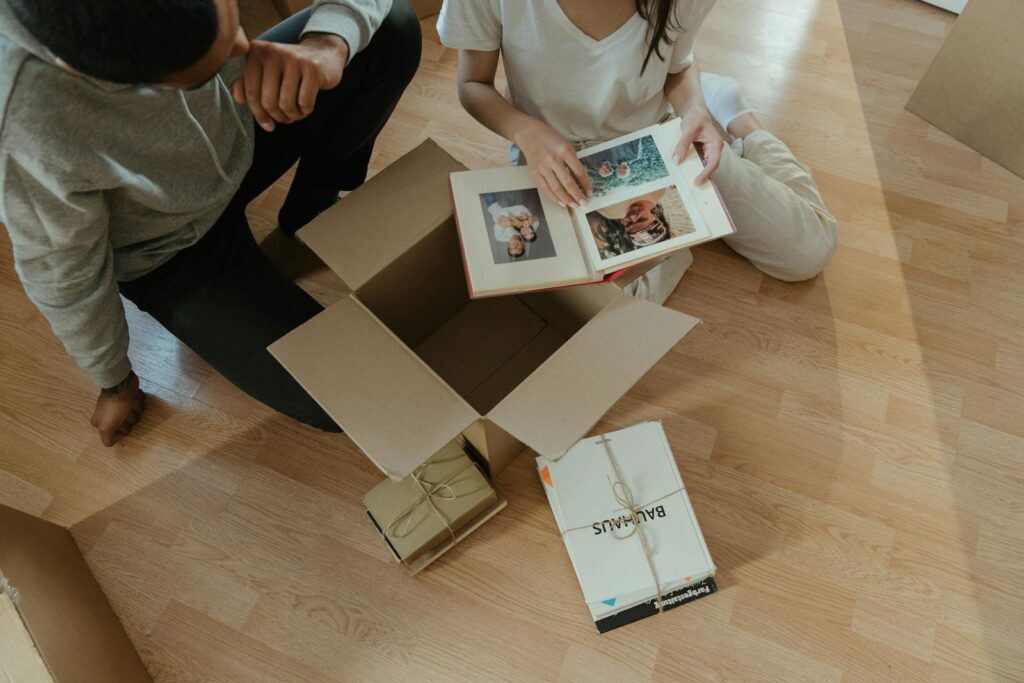
First up, we’ve got the sentimental items. You know, the ticket stubs from that concert you barely remember, or the stuffed toy you had as a kid. Psychologists say it’s all about nostalgia. These items evoke powerful memories and emotions, making it hard to let go. It’s like each piece is a tiny time capsule, reminding you of good times and the people you’ve loved.
But here’s the kicker: while it’s totally normal to cherish these memories, holding onto too much can weigh you down. It’s like carrying around a backpack full of bricks instead of just a few cherished keepsakes. Maybe it’s time to consider curating your collection. Pick your absolute favorites and let the rest go. Your future self will thank you!
Gifts from Friends and Family
Next, let’s talk about those gifts from friends and family. Whether it’s a hand-knitted sweater that’s two sizes too small or a quirky piece of art that doesn’t quite match your decor, it can be tough to part with gifts. The guilt of “What will they think?” can be overwhelming. Psychologists suggest that we often feel a sense of obligation to keep these items because they symbolize a relationship.
But here’s a little secret: true friends and family want you to be happy. If that gift no longer serves you, it’s okay to let it go. You can even donate it in their name or take a picture of it to remember the sentiment without keeping the object. It’s a win-win!
The “I Might Need This Someday” Items
Ah, the classic “I might need this someday” dilemma. You know, that broken toaster you’ve been meaning to fix, or the old treadmill that doubles as a clothes rack. This mindset often stems from a fear of waste or a desire to be prepared for every possible scenario. Psychologists point out that this mindset can lead to clutter and anxiety.
Instead of hanging on to everything, consider asking yourself if you’ve used it in the last year. If the answer’s no, maybe it’s time to pass it along to someone who will. Trust me, you’re not going to wake up one day and think, “Gee, I really wish I had that old blender!”
Fashion Items with a Story
Now, let’s get to those fashion items that have a story to tell. Maybe it’s that dress you wore on your first date or those shoes you danced the night away in. These pieces often carry emotional weight that goes beyond fabric and threads. They remind you of who you were and the experiences you’ve had.
But here’s the thing: your style evolves. What once made you feel fabulous may now feel more like a relic. Psychologists suggest that it’s okay to honor the memories those items hold without physically keeping them. Snap a picture, write down the memory, and then let the item go. Your closet (and your self-esteem) will thank you!
Items You Paid Good Money For
Finally, we’ve all been there—holding onto that expensive gadget or piece of furniture because, well, you paid good money for it! This is often tied to what psychologists call the “sunk cost fallacy.” It’s the idea that we feel the need to justify our past spending by keeping the item, even if it no longer serves us.
But holding onto something just because it was pricey can lead to a cluttered home and an unhappy you. Instead, consider the value it provides now. If it’s not bringing you joy or utility, it’s okay to let it go. You can always sell it or donate it to someone who’ll appreciate it more. Plus, think of all the space you’ll free up for things you actually love!
Letting Go with Grace
So, there you have it! Whether it’s the sentimental items or that expensive coffee maker you never use, understanding why we hold onto these things can help you make better decisions about what to keep and what to let go. Remember, letting go isn’t about losing something—it’s about making space for what truly adds value to your life. A calmer, more intentional home starts with choices that serve you, not your past.