

You want a raised bed that thrives, not one that turns into a soggy, weedy disappointment after a single season. Many beginners make the same setup mistakes—wrong soil mix, poor drainage, overcrowding—that cause plants to struggle from day one.
Avoiding a few simple setup errors (right soil, proper drainage, correct spacing) stops most raised beds from failing fast.
As you plan the bed, this article will show how to choose the right soil and build for drainage so roots get oxygen and nutrients. It will also cover plant-care missteps—watering, spacing, and maintenance—that quietly sabotage growth so you can fix them before they ruin the season.

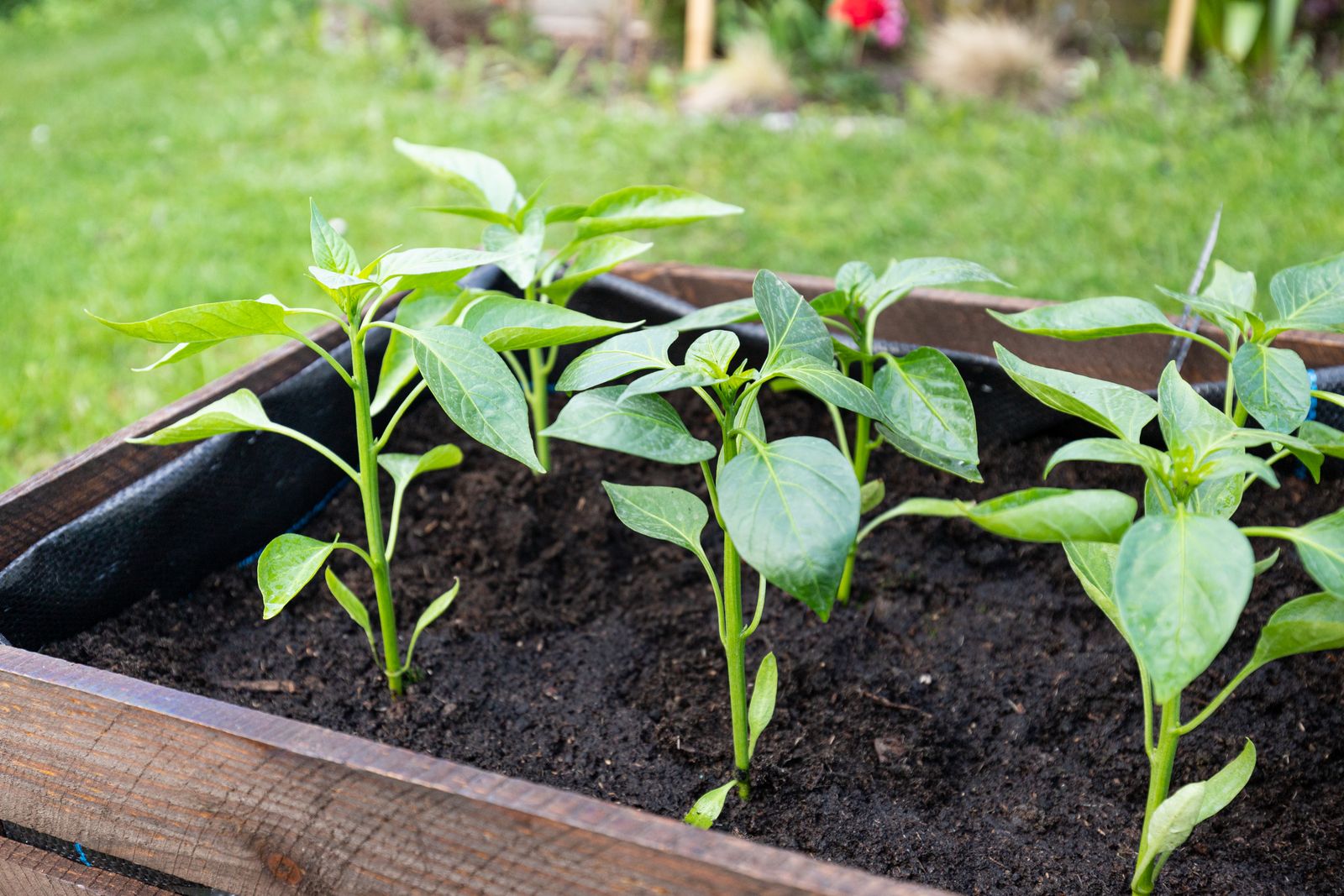
Critical Setup and Soil Choices
Get your bed where it will get consistent sun, build it to a size you can maintain without stepping in, and fill it with a loose, biology-rich mix that drains but holds moisture.
Choosing the Right Location
Place the raised bed where you get at least 6 hours of direct sun; 8+ hours for tomatoes, peppers, and other fruiting crops. Observe the spot at midday in summer — what looks sunny in spring often loses light by June.
Avoid placing beds within 10–15 feet of large trees. Tree roots steal moisture and nutrients quickly, and you’ll lose the bed’s advantage. Check access to a water source; easy watering prevents inconsistent wet-dry cycles that cause cracking and blossom end rot.
Consider wind and frost pockets. A wind-exposed bed dries faster and stresses transplants; a low spot may hold cold air. Finally, place beds so you can reach the center from both sides — four feet wide is the practical maximum for two-sided access.
Building to the Correct Size and Depth
Use a 4×8 footprint when possible; it balances reachability and planting area. If you can access one side only, limit width to 2–2.5 feet. Keep lengths manageable — 8 feet is easier to manage than 12.
For depth, aim for at least 12 inches of growing mix for general vegetables. Increase to 14–18 inches for deep-rooted crops like carrots, tomatoes, potatoes, and squash. Shallow beds (under 10 inches) suit only lettuce, herbs, and small greens.
Avoid solid plastic liners on the bottom. They trap water and cause root rot. If you sit the bed on clay, loosen the top few inches of native soil first to improve vertical drainage.
Filling With Proper Soil Mixes
Never use native yard soil alone; it compacts and limits root growth. Build a mix of roughly one-third quality compost, one-third structural topsoil or coir, and one-third drainage/amendment (coarse perlite, pumice, or sharp sand). This keeps the raised bed soil loose, biologically active, and moisture-balanced.
Add aged manure or worm castings sparingly as nutrient boosters — a handful per planting hole or mixed into the top layer works better than raw manure. Mulch the surface with 2–3 inches of straw or shredded leaves to reduce evaporation and suppress weeds.
Top-dress with compost each spring and avoid stepping into the bed to prevent soil compaction. If you need consistent watering, install drip irrigation under the mulch for even moisture and healthier soil biology.
Plant Care Mistakes That Lead to Fast Failure
Too-dense planting, poor watering habits, and planting the wrong crops at the wrong time cause most early problems. Fix spacing, soil moisture, and timing to stop seedlings from wilting, stunting, or succumbing to pests and disease.
Overcrowding and Inadequate Plant Spacing
Crowded plants compete for light, water, and nutrients, which reduces yield and invites disease. Follow the seed packet or plant label spacing, and keep raised beds no wider than 4 feet so you can reach the center without stepping in the soil.
Use a simple layout: rows or square-foot blocks with exact spacing numbers written on a stake. Thin seedlings early—leave the healthiest plant and remove extras by cutting, not pulling, to avoid disturbing roots. Overcrowded foliage holds moisture and breeds fungal problems; increase airflow by proper spacing and occasional pruning.
Mulch lightly to suppress weeds but avoid burying crown tissue. If you notice yellowing or stunted growth, check root crowding before blaming fertilizer. Beneficial insects will still visit well-spaced beds; crowding reduces their effectiveness and makes pest control, including spot treatments like neem oil, harder.
Inconsistent Watering and Soil Moisture Management
Raised beds drain faster than in-ground beds, so your watering rhythm must match that speed. Water when the top 1–2 inches of soil feel dry; stick a finger in or use a moisture meter for accuracy.
If you water inconsistently, plants cycle between stress and saturation, which weakens roots and invites disease. Install a drip irrigation or an automatic watering system with a timer and pressure regulator to maintain even moisture. Water early in the day to allow foliage to dry and reduce fungal risk.
Mulch 2–3 inches to slow evaporation and suppress weeds that steal moisture. Check soil depth moisture after a heatwave—warm-season crops like tomatoes and peppers may need daily checks. For cool-season crops, reduce watering frequency but still monitor to prevent shallow rooting.
Ignoring Crop Timing and Rotation
Planting warm-season crops too early or cool-season crops too late stresses plants and shortens harvests. Follow a local planting calendar and hardiness dates rather than guessing by the calendar alone.
Rotate plant families between beds each year to reduce soil-borne pests and disease buildup. If you only have one raised bed, divide it into zones and switch families seasonally. Crop rotation limits pest cycles that thrive on crowded or repeatedly planted beds and reduces the need for interventions.
Use quick-cover succession planting for continuous harvests: sow a fast-maturing crop in the space vacated by an early lettuce harvest. Mark transplant dates and expected maturity on a board so you can plan rotations and avoid repeating beginner raised bed gardening mistakes that let pests and nutrient imbalances accumulate.