

You want a garden that actually produces and fits your life, not one that takes over every weekend. Raised beds give you control over soil, drainage, and layout so you spend less time fighting weeds and more time harvesting. If you want faster results, easier maintenance, and a tidy, productive yard you’ll use year after year, raised beds deliver.
They work especially well when space, time, or back pain limit what you can do—small plots turn into concentrated, high-yield planting zones that look intentional and stay manageable. The rest of the article will show why raised beds beat traditional plots, how they transform tiny yards into reliable food sources, and practical steps to get your first bed growing.

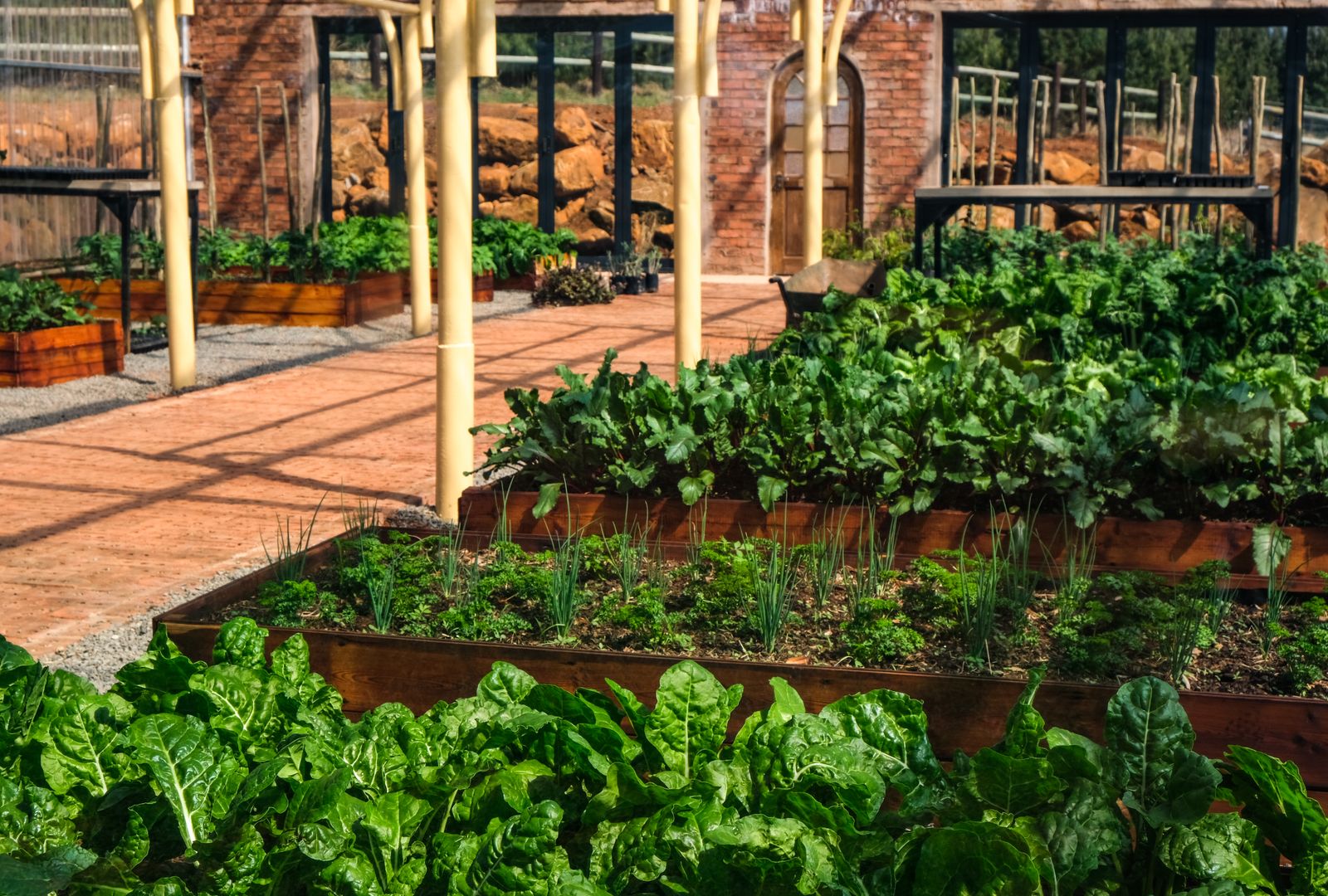
Why Raised Beds Outshine Traditional Vegetable Gardens
Raised beds let you control soil depth, texture, and nutrients while reducing bending and patchy harvests. They speed warming in spring, improve drainage on clay or compacted sites, and make targeted watering and pest barriers simpler to install.
Key Benefits of Raised Bed Gardening
Raised bed gardening concentrates your effort into defined plots so you manage soil, water, and plant placement precisely. You get deeper, loose soil for stronger root systems that support larger yields per square foot than many in-ground rows.
Because beds are elevated, you avoid most foot traffic in planting zones, maintaining loose structure and reducing root compaction. That translates to better oxygen flow to roots and faster seedling growth.
Raised garden beds also make ergonomics practical: you can build beds 24–36 inches high to reduce bending, which keeps gardening accessible for older adults or anyone with back issues. Finally, the tidy borders and uniform planting areas limit weed spread from surrounding turf and let you rotate crops easily.
Improved Soil Composition and Drainage
With raised beds you choose the exact soil mix — loam, compost, and coarse sand or grit — to suit vegetables rather than relying on whatever native garden soil you inherited. This lets you aim for the friable texture most veggies prefer and maintain a pH by adding lime or sulfur where needed.
Fill beds with a mix of 40–60% topsoil, 30–50% compost, and the remainder coarse material or aged manure for structure and nutrients. That mix improves nutrient availability and biological activity faster than amended in-ground plots.
Raised beds drain better because the soil sits above surrounding ground level and you control the composition, which prevents waterlogging on heavy clay sites. In cooler climates the beds warm sooner in spring, too, letting you plant earlier without rot-prone, cold soil.
Weed and Pest Control Advantages
Raised beds reduce common weed pressure by separating your planting soil from native seed banks in the lawn or field. Start with weed-free fill and lay a thin landscape fabric or cardboard under the bed if berming over lawn; that barrier cuts weed seedlings without sealing out beneficial soil life.
You also see weeds earlier and can pull them before they set seed because beds concentrate plantings and pathways. That saves time compared with scattered in-ground rows.
For pests, raised beds raise the base level for physical barriers: low hoops, mesh covers, or deer netting attach easily to bed frames to exclude birds, rabbits, and larger pests. Soil-borne pathogens and some crawl-in pests drop because you use fresh, pasteurized compost and avoid direct contact with contaminated native soil. Combine netting, row covers, and targeted hand-removal for the best control.
Maximizing Watering and Irrigation Efficiency
Raised beds let you place water where roots use it most, cutting waste and reducing foliage wetness that can cause disease. Install drip irrigation lines or soaker hoses along the planting rows and run them on a timer to deliver slow, deep water directly to the root zone.
Because bed soil drains faster, you water more frequently but with smaller volumes, which keeps the root zone consistently moist without saturation. Mulch the surface with straw or shredded bark to reduce evaporation and suppress weeds.
For extreme slopes or water-restricted areas, consider terraced raised beds and a simple gravity-fed drip system to conserve water. That combination delivers measured irrigation, reduces runoff, and keeps moisture focused in the improved soil you created.
Transforming Small Spaces and Harvests With Raised Beds
Raised beds let you control soil, squeeze in vertical space, choose compact varieties, and stage attractive plantings that are easy to harvest. You get higher yields per square foot, simpler pest and water management, and options that fit balconies, narrow yards, or small courtyards.
Growing Popular Crops: Tomatoes, Lettuce, Peppers, and More
You can grow full-season tomatoes in a 2×4 raised bed if you use indeterminate or compact determinate varieties and install a sturdy stake or tomato cage. Space plants 18–24 inches apart for indeterminate types; put smaller determinate or patio varieties 12–18 inches apart.
Lettuce thrives in shallow 6–8 inch beds or the top layer of deeper boxes; sow every 2–3 weeks for continuous cut-and-come-again harvests. Use loose, well-draining soil mixed with compost to keep heads tender.
Peppers prefer warm, well-drained raised beds and need 12–18 inch spacing; mulch retains heat and moisture. Cucumbers climb trellises set at the bed edge to free bed area for lettuce or herbs. Interplant quick crops (lettuce, radishes) between slower growers (tomatoes, peppers) to maximize harvest windows.
Space-Saving Designs: Garden Boxes and Raised Bed Setups
Choose garden box sizes that match reach: 4 feet wide allows access from either side without stepping in the bed. Use 2×4 or 3×6 modular boxes for tight patios; stack or stagger tiers on a slope to add growing area.
Vertical supports—arched trellises, netting, or wall-mounted planters—let cucumbers and vining tomatoes climb, freeing bed surface for low crops like lettuce and herbs.
Cinder block beds double as planters and shelf space: place potted herbs in block cavities to save space. Window boxes and fence-mounted planters add harvest potential on balconies and rails. For quick setup, use prefabricated raised beds or grow bags for seasonal rotation.
Frugal Gardening, Aesthetics, and Influencer Inspiration
You can build raised beds on a budget using reclaimed wood, cinder blocks, or pallets; line wood with landscape fabric to extend life. Repurpose compost, kitchen scraps, and municipal compost to cut fertilizer costs while feeding the beds.
Aesthetic choices—natural wood, painted boxes, or mixed-stone edging—help integrate beds into patios and seating areas so the garden looks intentional, not leftover.
Garden influencers often showcase compact raised beds with repeating color palettes, tiered layouts, and edimental beds that mix ornamentals with edibles. Browse practical layouts and planting combos to copy functional ideas that match your climate and space. See design examples and small-space tips in this roundup of raised bed ideas for small spaces.
Tips For a Productive and Beautiful Garden Harvest
Start with a soil mix of 60% topsoil, 30% compost, and 10% aeration material (perlite or coarse sand) for most raised beds. Amend annually with compost and a balanced granular feed at planting time to maintain fertility.
Water deeply but less often—soaker hoses or drip irrigation at the base of plants reduces disease on tomatoes and lettuce. Rotate crops between beds each year to limit pest buildup and alternate heavy feeders (tomatoes, peppers) with nitrogen-fixing or low-feeding crops.
Planting checklist:
- Stake tomatoes at planting; add mulch to conserve moisture.
- Succession-sow lettuce every 2–3 weeks for continuous harvests.
- Train cucumbers and vining tomatoes up trellises to save bed space.
- Use companion herbs (basil, chives) to attract pollinators and deter pests.
Keep pathways narrow but accessible and label beds so you track varieties and harvest timings.