


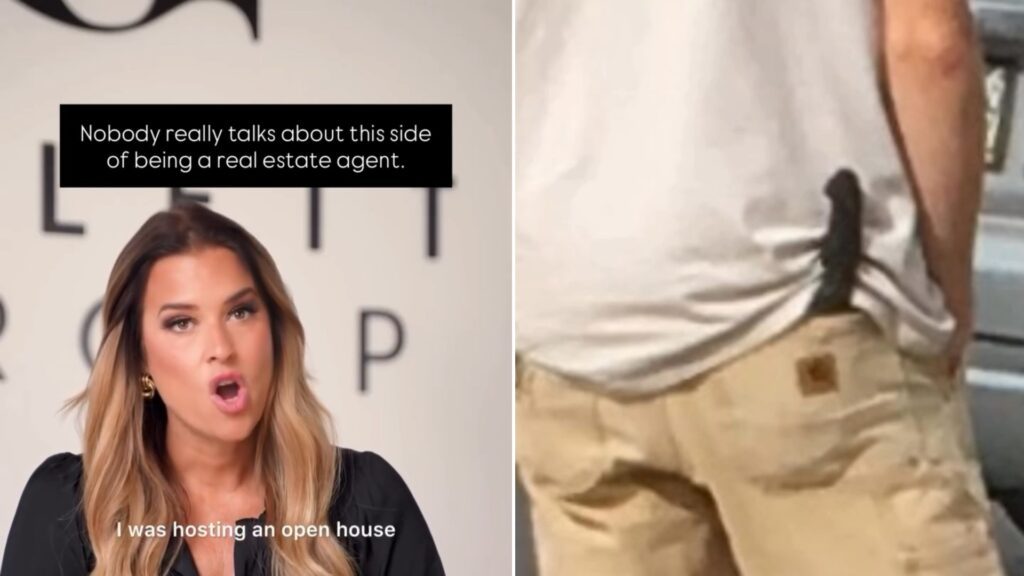
A real estate agent says an encounter with a stranger during what was supposed to be a routine open house left her badly shaken and rewrote how she works alone with the public going forward. She described what happened in a recent Instagram reel, and the timing lines up with data the industry has been sitting on for years without much public attention: open houses are consistently the setting agents say scares them most.
The Numbers Behind Why This Keeps Happening
Members of the National Association of Realtors rank open houses as the single situation where they feel least safe, ahead of even meeting a new client alone, according to survey data covered by HousingWire, which found 31% of Realtors report feeling unsafe specifically during open houses or showings. Separate reporting from BAM, drawing on the same NAR research, puts the open house figure at 34% of members who felt least safe in that exact setting, with 86% of agents saying they showed properties completely alone in 2024. Women reported fear for their personal safety at roughly double the rate of men — 25% versus 12%. An open house is designed to let anyone walk in off the street with no appointment and no vetting, which is precisely what makes it different from a scheduled showing.
What Usually Changes After an Incident Like This
Agents who’ve had a scare tend to make the same handful of changes, and they’re the ones this agent describes adopting. The first is ending solo open houses entirely, either by working showings in pairs or asking a colleague to be present for at least the busiest hours. The second is location awareness inside the house itself — staying near an exit rather than getting cornered in a back bedroom or basement while a visitor is still inside. The third is telling someone outside the house the actual schedule, not a vague “I’ll be at a showing,” so a specific person knows exactly when to expect a check-in and when a missed one means something is wrong.
The Technology Layer Most Agents Still Skip
Only 25% of NAR members were even aware the organization runs a dedicated Realtor Safety Program, per BAM’s reporting, despite 79% of those who did use it finding the resources helpful — a gap between what exists and what agents actually know about. Apps like SentriKey now offer automated check-in alerts that notify a designated contact if an agent misses a scheduled check-in during a showing, effectively replicating the “text me when you’re done” habit without relying on someone remembering to send it. Background checks on new leads before an in-person, one-on-one meeting are another layer agents increasingly use, since 40% of members reported meeting a new or prospective client alone at a secluded property in the past year, up from 35% the year before.
Why One Bad Afternoon Changes Everything After
Real estate is one of the few professions where a stranger’s home address, schedule and physical location get published to the general public as part of the job description. Most agents who haven’t had a frightening moment yet tend to treat open house safety as a checklist item rather than a real risk, largely because nothing has forced the reassessment. The agents who have been through it stop treating precautions as optional the moment they’ve felt what it’s like to be alone in a house with someone who won’t leave.