


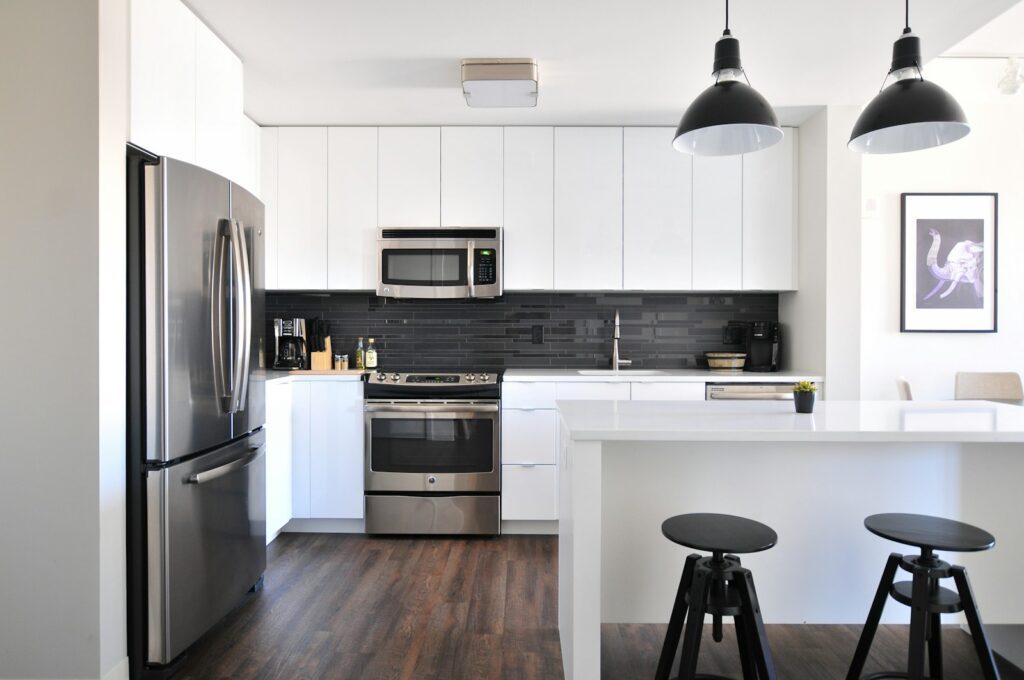
Refacing kitchen cabinets averages $2,100, compared with $6,400 for a full replacement, according to fresh contractor pricing from Angi, a gap the site puts at roughly 30% to 50% less overall. Refacing keeps the existing cabinet boxes in place and replaces only the doors, drawer fronts, and visible surfaces, and once new hardware and a matching finish are hung, most homeowners genuinely can’t tell it apart from a full teardown-and-rebuild kitchen remodel.
What Refacing Actually Changes
Refacing leaves the cabinet frames (called the boxes) exactly where they are, bolted to the wall and in their original layout. What changes is everything visible: new doors and drawer fronts, a fresh veneer or laminate applied to any exposed box surfaces, and new hinges, pulls, and knobs. Angi prices this at roughly $220 per door on average, which is why kitchens with more doors and drawers cost proportionally more to reface, regardless of overall square footage. Because the layout and plumbing stay untouched, refacing also skips the demolition, replumbing, and re-wiring that a full replacement often requires.

Material Choice Moves the Price Substantially
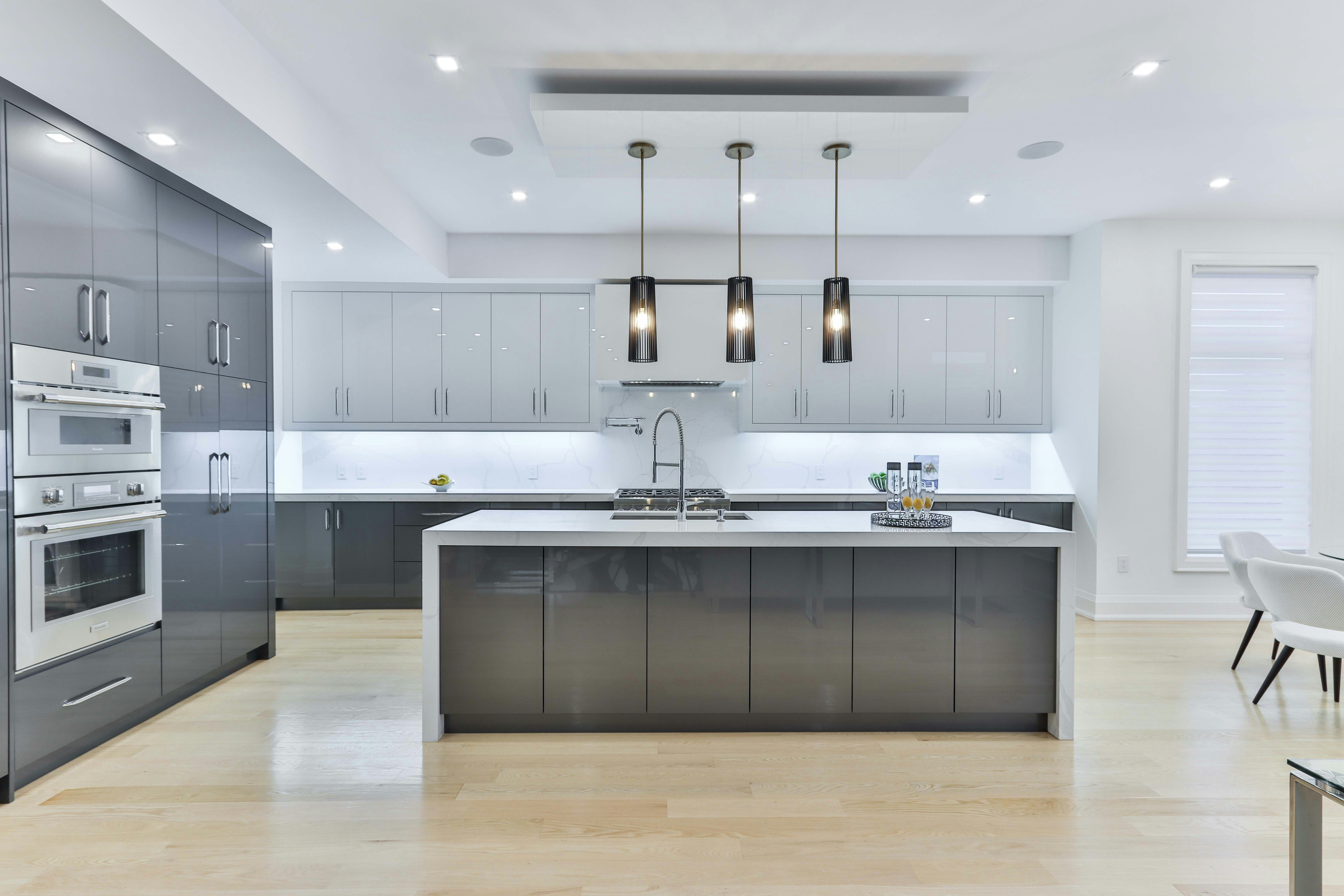
A separate Angi cost breakdown on cabinet resurfacing shows the per-linear-foot range running from $150 to $450, and material selection explains most of that spread. Laminate and thermofoil finishes run $50 to $125 per linear foot, making them the budget-friendly options for a refacing project. Real wood veneer, oak, maple, cherry, or walnut, costs more, at $100 to $250 per linear foot, but delivers a finish that’s genuinely difficult to distinguish from solid custom cabinetry once installed. Solid wood or plywood construction sits at the top of the range, $200 to $500 per linear foot, and is typically reserved for refacing projects aiming for a fully custom look.
When Replacement Is Actually the Better Deal
Angi’s guidance includes a useful decision rule: if the cost to reface a kitchen’s cabinets would exceed 50% of what full replacement would cost, replacement is probably the smarter move. That threshold matters because refacing isn’t automatically the cheaper option in every case: cabinets in poor structural condition, water-damaged boxes, or a kitchen where the homeowner wants a different layout entirely all favor starting over rather than dressing up boxes that won’t last. Angi also notes that the most affordable full-replacement projects, built around stock rather than custom cabinets, can land close to the average cost of refacing, narrowing the gap for budget-focused shoppers willing to skip custom sizing.
Replacement Costs Scale Much Higher at the Top End
While refacing tops out around $6,000 for larger or higher-end projects, per Angi’s data, full cabinet replacement can run anywhere from $2,000 for a small kitchen with basic stock cabinets up to $30,000 for a large kitchen with custom, high-end cabinetry. That wide spread is the real argument for refacing in kitchens with structurally sound boxes: it delivers most of the visual transformation of a full remodel while sidestepping the custom-cabinetry price tier that pushes full replacements into five figures.
Kitchen Size Sets a Rough Budget Range
Angi’s resurfacing data breaks projects down by kitchen size, which gives homeowners a faster way to ballpark a budget than working from linear-foot pricing alone. A small kitchen, around 10 linear feet of cabinetry, typically runs $1,500 to $3,000 to reface. A medium kitchen at roughly 20 linear feet runs $3,000 to $6,000, and a large kitchen with 30 or more linear feet of cabinets runs $5,000 to $10,000. Those ranges line up closely with the national refacing average of $2,100 to $7,232 reported across Angi’s different cost breakdowns, with the wide spread reflecting how much material and labor choice (laminate versus solid wood, basic hardware versus custom pulls) shifts the final number within any given kitchen size.

Why the Finished Result Looks the Same Either Way
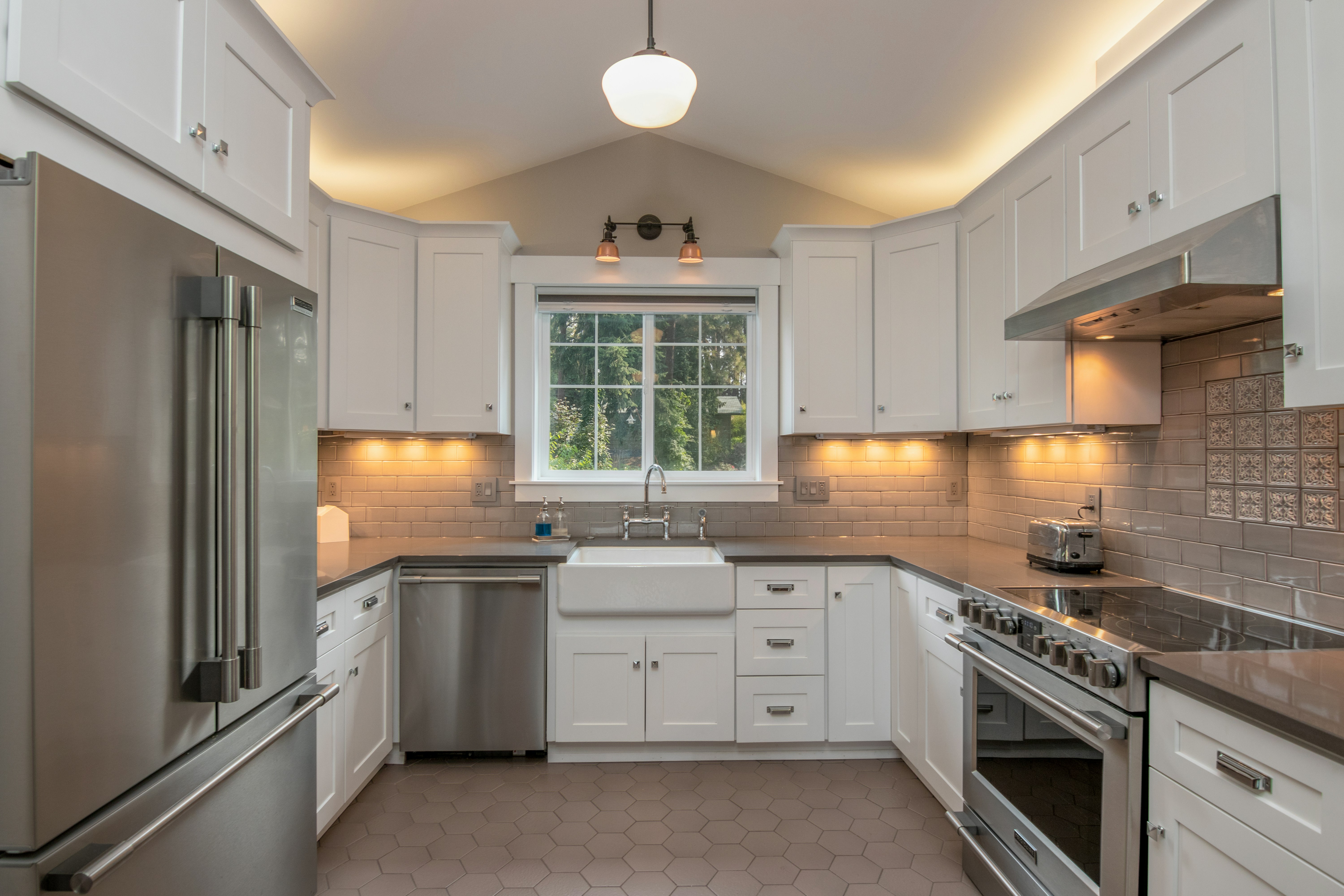
The visible parts of a kitchen (door style, color, hardware, and how everything reads as a set) are exactly what refacing replaces, which is why the finished result is difficult to distinguish from new cabinetry once the doors are hung and the hardware is on. The boxes underneath aren’t visible in daily use, so a homeowner willing to keep a functional layout gets most of the aesthetic payoff of a full remodel at a fraction of the cost, provided the existing cabinet frames are in good enough shape to build on.