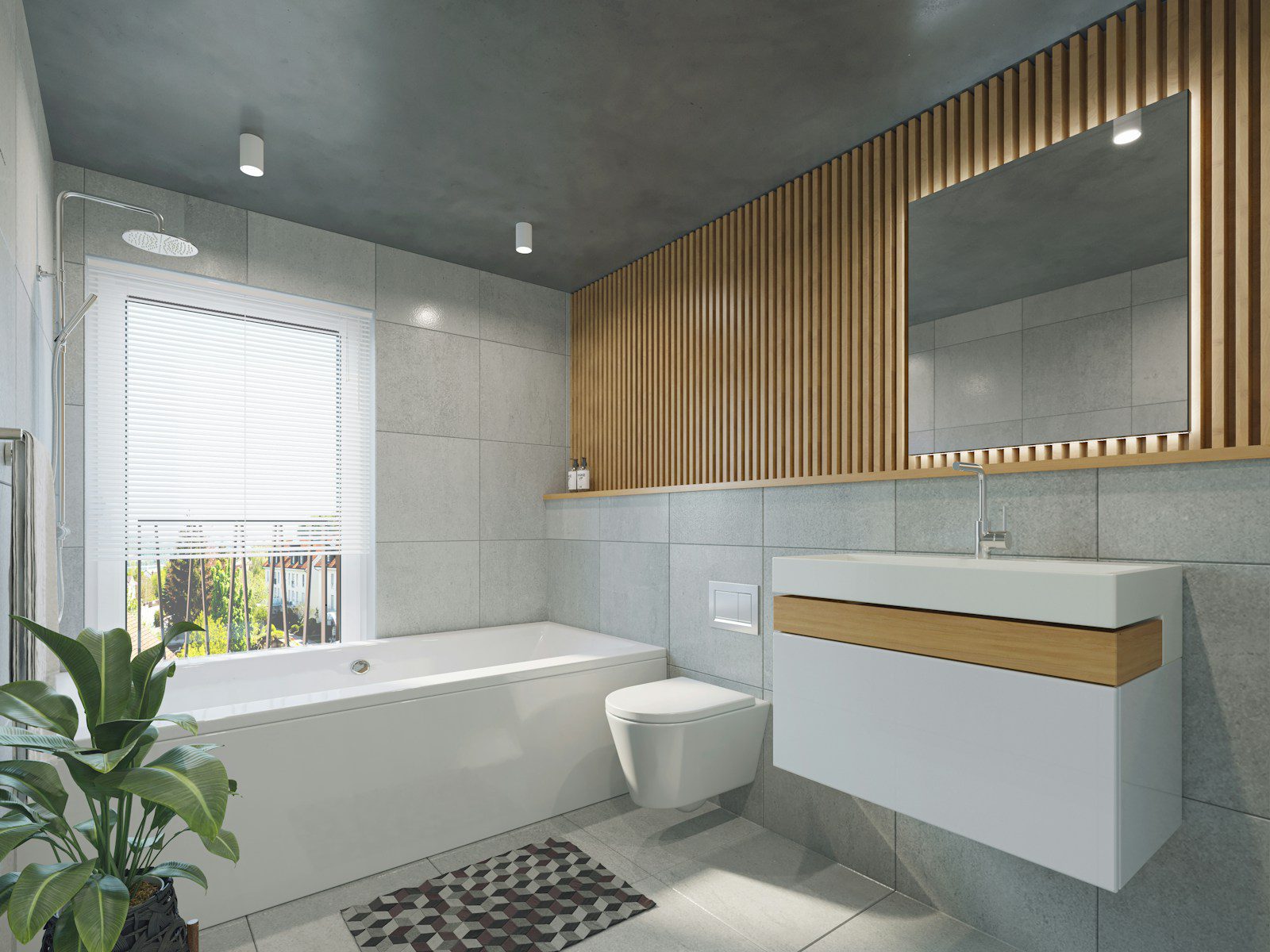
Twelve thousand, one hundred forty-seven dollars is the new national average for a bathroom remodel, according to Angi’s 2026 cost data, though the actual range swings wildly from $2,500 for a cosmetic refresh to $30,000 for a project that touches plumbing, electrical, and layout all at once. Translated to a per-square-foot rate, most homeowners are paying $70 to $250 depending on finish level. And for anyone eyeing a full gut renovation, new tub, new tile, new everything down to the studs, the bill can climb past $80,000 before the contractor even starts on fixtures. The bathroom, square foot for square foot, is the most expensive room in the house to touch.
What Drives the Price
Plumbing moves are the single biggest cost multiplier in any bathroom project. Swapping a vanity or retiling a shower in place is comparatively cheap; relocating a toilet, tub, or drain line means opening walls and floors, which drags in framing, subfloor repair, and often a permit inspection. Labor typically eats 40% to 65% of the total budget on a mid-range remodel, according to Angi’s breakdown, with the rest split between materials, fixtures, and design fees. Custom tile work, heated flooring, and frameless glass showers push the per-square-foot number toward the high end fast, while keeping the existing footprint and swapping surfaces keeps a project closer to the $70 mark.

Cost by Bathroom Type
A primary bathroom (typically around 120 square feet with a soaking tub, walk-in shower, and double vanity) runs $8,400 to $30,000 depending on finish quality, per Angi’s figures. A powder room or half bath, which skips the tub and shower entirely, is dramatically cheaper since there’s less plumbing and square footage to work with. Full gut renovations that reconfigure the layout, move the toilet, or add square footage by borrowing from an adjacent closet are what push projects into that $25,000 to $80,000 range; the layout change alone often costs more than every finish material combined.
The Real ROI
A full bathroom remodel returns roughly 70% of its cost at resale, which sounds underwhelming until you compare it to how much daily use a homeowner gets out of the room in the years before selling. Unlike a kitchen remodel, where buyers judge finishes almost entirely on trend and taste, bathroom updates tend to be judged on function: does the shower work, is there enough storage, does the ventilation actually clear steam. A midrange remodel that fixes those functional issues without chasing luxury finishes tends to hold its resale value better than a high-end gut job with finishes a future buyer might not love.
DIY vs. Professional
Cosmetic swaps (a new vanity, updated lighting, repainting, or a fresh mirror) are reasonable DIY territory and can shave thousands off a project. But plumbing, electrical, and waterproofing behind tile are where amateur work becomes expensive to fix later; a botched shower pan liner or an unpermitted plumbing move can mean tearing out brand-new tile to correct it, effectively doubling the cost. Most contractors recommend DIYing the demolition and finish work while leaving anything involving water lines, drains, or GFCI outlets to a licensed plumber or electrician.
Financing the Project
Because bathroom remodels sit in that awkward middle ground, too expensive for most people’s savings account, not always large enough to justify a home equity loan, many homeowners split the difference with a personal loan or a 0% introductory credit card offer for smaller cosmetic jobs, reserving home equity financing for the full gut renovations north of $25,000. Whichever route someone takes, getting three itemized quotes before signing tends to be the single biggest lever on final price, since labor rates for the same scope of work can vary by thousands between contractors in the same zip code. Regional labor costs matter more here than in most home projects, too: the same fixture package that runs $12,000 in a lower-cost metro can price out closer to $18,000 in a coastal city where licensed plumbers and electricians charge premium hourly rates, so homeowners comparing national averages against their own quotes should treat the $12,147 figure as a floor rather than a ceiling in expensive markets.
What ties all of this together is that bathroom costs track plumbing complexity far more than they track square footage or finish glamour: a small bathroom with a moved toilet can cost more than a large one where nothing structural changes at all.