


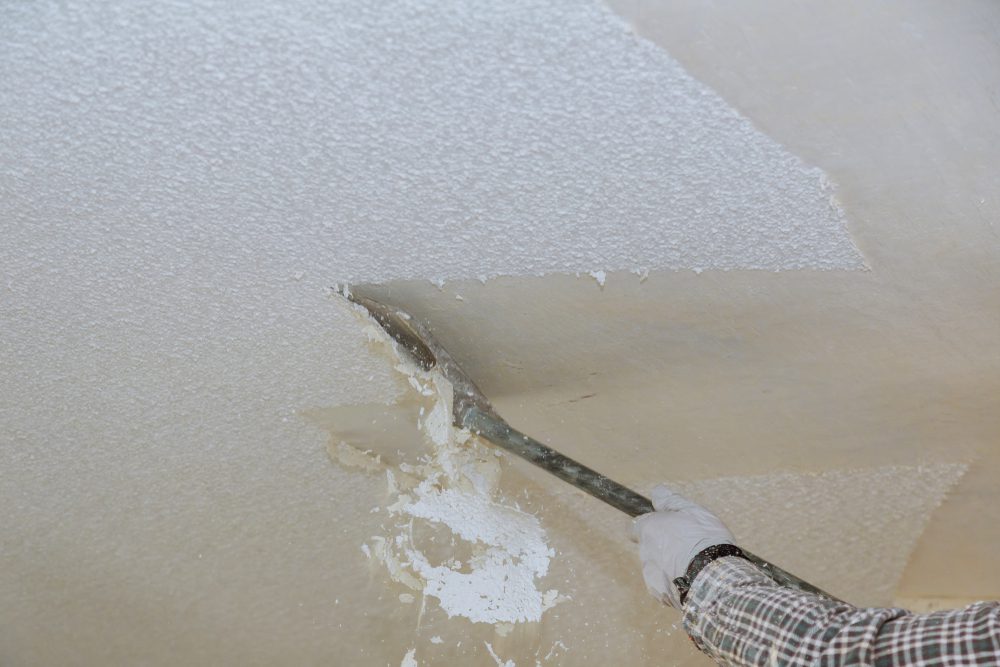
Roughly 12 million homes across the U.S. still have some version of the textured “popcorn” ceiling that was standard in new construction from the 1950s through the late 1970s, and a meaningful share of those ceilings were sprayed or patched with a material that, until federal regulators stepped in, routinely contained asbestos. Scraping one off on a Saturday afternoon without testing it first is legal in most places for a homeowner working on their own single-family house — but “legal” and “safe from consequences” are not the same thing, and skipping the test is the single most common mistake DIYers make before they start.

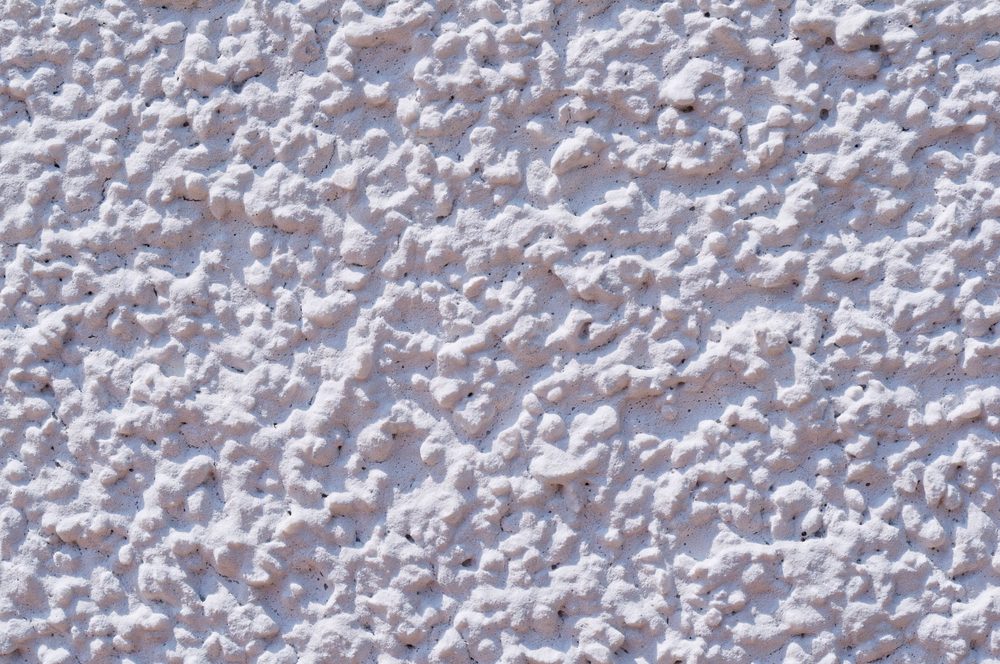
Why Pre-1980 Ceilings Are the Ones to Worry About
The timeline matters because it tells you how much risk you’re actually looking at. The EPA’s own regulatory history shows the agency banning spray-applied asbestos surfacing material for fireproofing and insulating purposes back in 1973, then extending that ban to other spray-applied surfacing uses in 1978. The U.S. Consumer Product Safety Commission announced its own ban around the same time, targeting consumer patching compounds — the joint compound and texture products used to coat walls, trim, and ceilings — after finding that roughly half of all patching compounds sold at the time contained asbestos, often with no ingredient disclosure on the package. Manufacturers had 30 days to stop production and 180 days to clear retail shelves. In practice, that means any ceiling textured or patched before the early 1980s is a legitimate candidate for testing, not just the ones that look obviously “popcorn.”
What a Skipped Test Actually Costs
A lab test on a ceiling sample is cheap and fast. Professional testing and inspection typically runs somewhere in the $250 to $800 range, and a homeowner can usually get results back within a few business days. Compare that to what happens if you scrape first and find out later: once asbestos fibers are aerosolized in a room, the fix isn’t a quick vacuum-and-mop. Professional abatement for a contaminated interior space runs $5 to $20 per square foot, which puts a single 500-square-foot living room or bonus room at $2,500 to $10,000, and a full-floor job well north of that. Add in the cost of re-testing the space afterward to confirm it’s clear, HVAC cleaning if the system pulled fibers through the house, and disposal fees for the contaminated debris, and a $10,000 total isn’t a scare number — it’s a realistic middle-of-the-road estimate for what a botched scrape-and-shop-vac job can turn into once a licensed contractor has to come clean it up properly.
The Legal Gray Zone Homeowners Don’t See Coming
Federal asbestos rules under the Clean Air Act’s NESHAP program technically exempt single-family homeowners doing their own renovation work — the regulation was written with commercial demolition and buildings of five or more units in mind. But that exemption has a lot of holes people don’t realize they’re standing in. Disposal rules apply no matter who does the removal, and dumping asbestos-containing debris in a regular household trash bin or municipal dumpster is treated as illegal disposal in most states, carrying separate civil and sometimes criminal exposure. Many states and local air districts have also written their own, stricter rules that override the federal exemption. New York, for example, generally requires a licensed abatement contractor once a project exceeds 25 square feet of asbestos-containing material — a threshold an average ceiling blows past in minutes. The Bay Area Air Quality Management District requires advance notification for any renovation disturbing 100 square feet or more of asbestos material, single-family homes included, with a shorter 72-hour notice window available only for a fee. On the federal side, EPA civil penalties for NESHAP violations can reach into six figures per day for any project that does fall under the rule, and homeowners can still face state fines, cleanup orders, and civil liability to future buyers or neighbors if contamination spreads.
What the Test Actually Buys You
A negative test means you’re free to scrape, sand, or texture over the ceiling using normal precautions. A positive test doesn’t necessarily mean a five-figure abatement bill — encapsulation, which seals the material in place rather than removing it, runs $2 to $6 per square foot and is often the more affordable option for ceilings in decent condition. What the test actually buys you is the ability to make that choice with real information instead of finding out the hard way, mid-renovation, with a shop vac full of dust and a contractor’s estimate that costs more than the room was worth to begin with.
The math on this is straightforward even if the paperwork isn’t: a test that costs a few hundred dollars and takes a few days is cheap insurance against a remediation bill, a disposal violation, or a notification requirement that most weekend renovators never think to check before they start pulling a ceiling apart.