


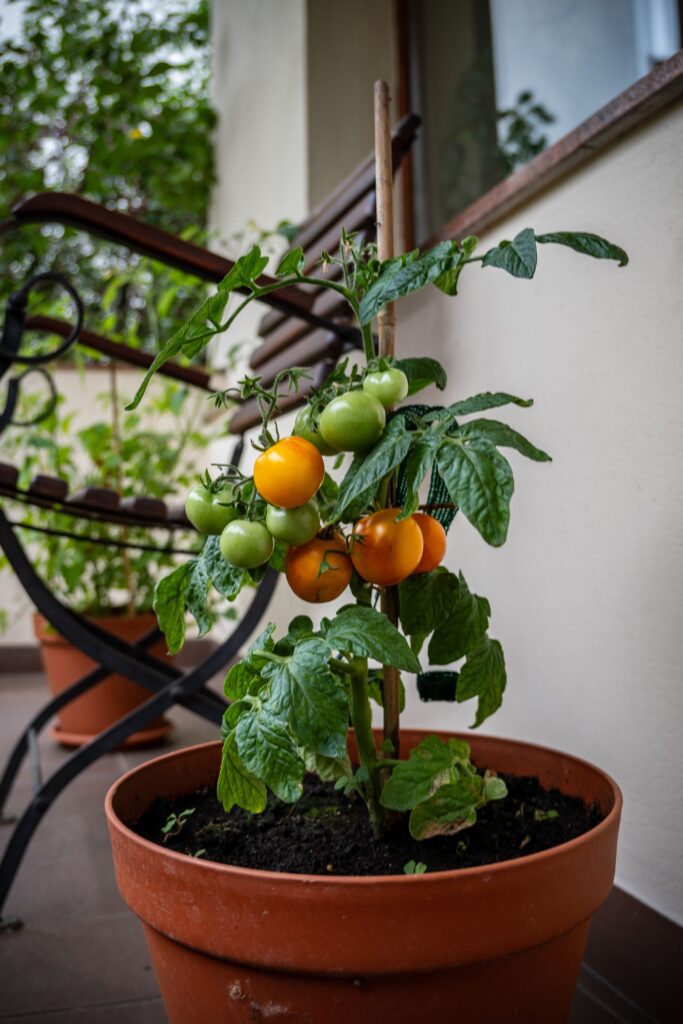
For as long as most of us have gardened, one assumption sat quietly underneath every seed catalog and how-to column: a real vegetable garden needs a yard. Ground to till. A fence line for the tomato cages. Somewhere permanent enough to say, this bed is mine, and I’ll build the soil up year after year. The 2026 National Gardening Survey from Garden Research, the research division of the National Gardening Association, just quietly dismantled that assumption. New cross-tab data from the survey’s 53rd consecutive year shows renters now out-purchasing homeowners in vegetable and herb seed — what the report itself calls a “renter inversion.” After more than five decades of tracking who gardens in America and why, that’s the kind of finding that makes you set down your coffee. The people with the least permanent claim on any patch of dirt are, right now, the ones buying the most seed packets to grow their own food.
If you’ve been eyeing a sunny corner of your apartment balcony and wondering whether it’s even worth trying, this is your answer. It is absolutely worth trying, and you are far from alone.
A Genuine Reversal, Not a Rounding Error
It helps to understand what makes this finding so notable. The National Gardening Survey has been the industry’s most trusted barometer of American gardening habits since 1973, and homeowners have essentially always led on edible gardening — for the obvious reason that they had somewhere to put it. This year’s 306-page report breaks that pattern for the first time in the cross-tabs Garden Research highlighted for 2026, with renters now buying more vegetable and herb seed than people who own their homes. That’s not a fringe statistic buried in an appendix. It’s flagged as one of the year’s defining shifts, alongside a market that has been losing millions of casual gardening households even as spending holds strong. Put plainly, the renters who are staying in the game are gardening with real intention, and vegetables are exactly where they’re putting their energy.
Why Renters Are Leading the Charge
None of this happened by accident, and if you rent, the reasons will probably sound familiar. Container gardening has matured from a consolation prize into a genuinely capable system, with dwarf and determinate vegetable varieties bred specifically to thrive in pots rather than open beds. Balconies and patios, once treated as decorative afterthoughts, have become primary growing space for an entire generation of gardeners who simply don’t have anywhere else. Community garden plots continue to fill waitlists in cities where private yards are scarce or nonexistent, giving renters a shared plot of actual ground without the burden of a mortgage. And indoors, compact grow lights and vertical growing systems have gotten good enough, and cheap enough, that a north-facing apartment window is no longer a hard stop on growing your own herbs through the winter.
Underneath all of it sits something simpler than any trend report: people want fresh food, and they want a hand in producing it, regardless of what their lease says about the backyard. Renting has never meant losing your appetite for a homegrown tomato that actually tastes like something. It just meant getting more resourceful about where you grow it.

What Actually Grows Well in a Container
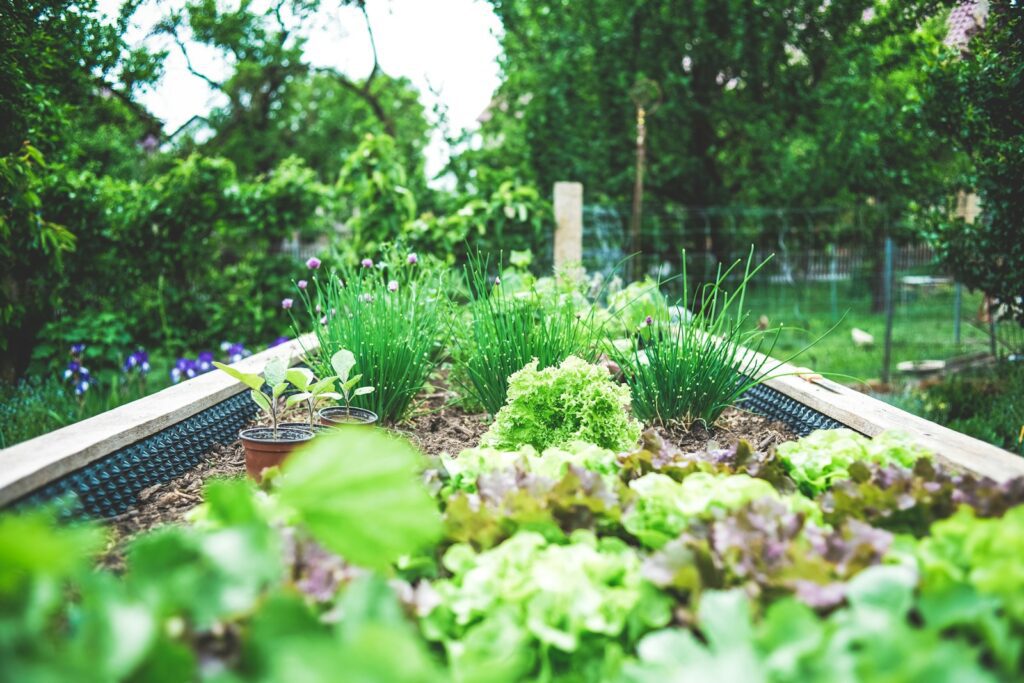
The good news, if you’re starting from scratch, is that a huge share of the vegetable garden most people picture in their heads doesn’t need ground at all. Leafy greens like lettuce and spinach are practically made for pots, tolerating the partial shade a balcony often provides. Herbs of nearly every kind — basil, thyme, chives, parsley — do beautifully in containers and reward you almost immediately, which matters when you’re new to this and craving a win. Radishes and carrots handle container life well too, and green onions, beans, and summer squash round out a surprisingly full harvest from a space no bigger than a few square feet, according to guidance from the USDA’s People’s Garden program. Peppers and eggplants do well too, provided you give them a container with real depth. Even tomatoes are absolutely on the table, as long as you choose a dwarf or determinate variety bred for pot life rather than the sprawling indeterminate types that want a trellis and a whole bed to themselves.
What doesn’t tend to work, and this is worth knowing before you waste a bag of soil, are vegetables that need real room to run. Sweet corn, watermelon, zucchini, and winter squash generally perform better in a traditional in-ground garden, according to guidance from Penn State Extension, simply because their root systems and sprawling growth habits outpace what any reasonable container can support.
Sunlight, Soil, and Getting the Size Right
Once you know what you’re growing, the details that actually determine success are pretty consistent across every guide worth trusting. Sun matters enormously. Fruiting vegetables like tomatoes and peppers want six to eight hours of direct light a day, while leafy greens and most herbs can get by with less and will actually prefer some relief from harsh afternoon sun, per both the USDA and Penn State Extension. Before you plant anything, take an honest inventory of your balcony or windowsill at different times of day. It will tell you more than any plant tag will.
Container size is where a lot of first-time container gardeners go wrong, usually by going too small. A tomato plant needs a pot at least 20 inches wide to develop a healthy root system, while peppers and eggplants can succeed in something closer to 14 inches, and herbs and greens are happy in smaller containers still — Penn State’s rule of thumb is that a good container should be at least as deep as it is wide. Skip garden soil entirely, which compacts badly in a pot and drains poorly. A soilless potting mix built around materials like sphagnum peat moss, perlite, and coconut coir will hold moisture without waterlogging roots, and you can work in finished compost at up to half the mix for extra nutrition. Whatever you choose, make sure drainage holes are real and unobstructed, since a container without proper drainage is one of the fastest ways to lose a plant to rot.
Because potted plants can’t send roots out searching for extra nutrients the way an in-ground garden can, they’ll need more frequent feeding, and they dry out faster too. Expect to water most containers daily once the weather turns warm, checking the soil with a finger rather than a calendar, and plan on a slow-release fertilizer at planting followed by a liquid feed every couple of weeks through the growing season.
Working Around a Lack of Permanent Space
The real skill of renter gardening isn’t fighting your lack of a yard. It’s designing around it, cheerfully and on purpose. Lean into containers you can actually move — a set of rolling plant caddies turns a heavy pot into something you can chase across the balcony as the sun shifts through the season, or bring indoors ahead of an early frost. Vertical systems, whether a simple trellis clipped to a railing or a tiered planter stand, let you multiply your growing surface without ever needing more floor space, which matters enormously on an apartment balcony where every square foot counts twice. If your building or block has a community garden, put your name on the list even if the wait is long; a shared plot gives you the deep-soil growing that no container can fully replicate, for vegetables like corn or winter squash that simply want more room than any pot can offer.
And if you’re moving, or suspect you might be within the year, plant in true containers rather than anything built into the space itself, and choose your favorites in genuinely portable pots so the garden moves with you rather than getting left behind for the next tenant. That’s the quiet advantage renters have that homeowners often don’t: nothing here is permanent, so nothing here has to be either.
The Bigger Picture
What this survey really captures isn’t a workaround. It’s a redefinition of what counts as a real garden, driven by people who refused to let a lease stand between them and a homegrown tomato. Ownership was never actually the requirement. What it took was a sunny ledge, the right container, and the willingness to start.