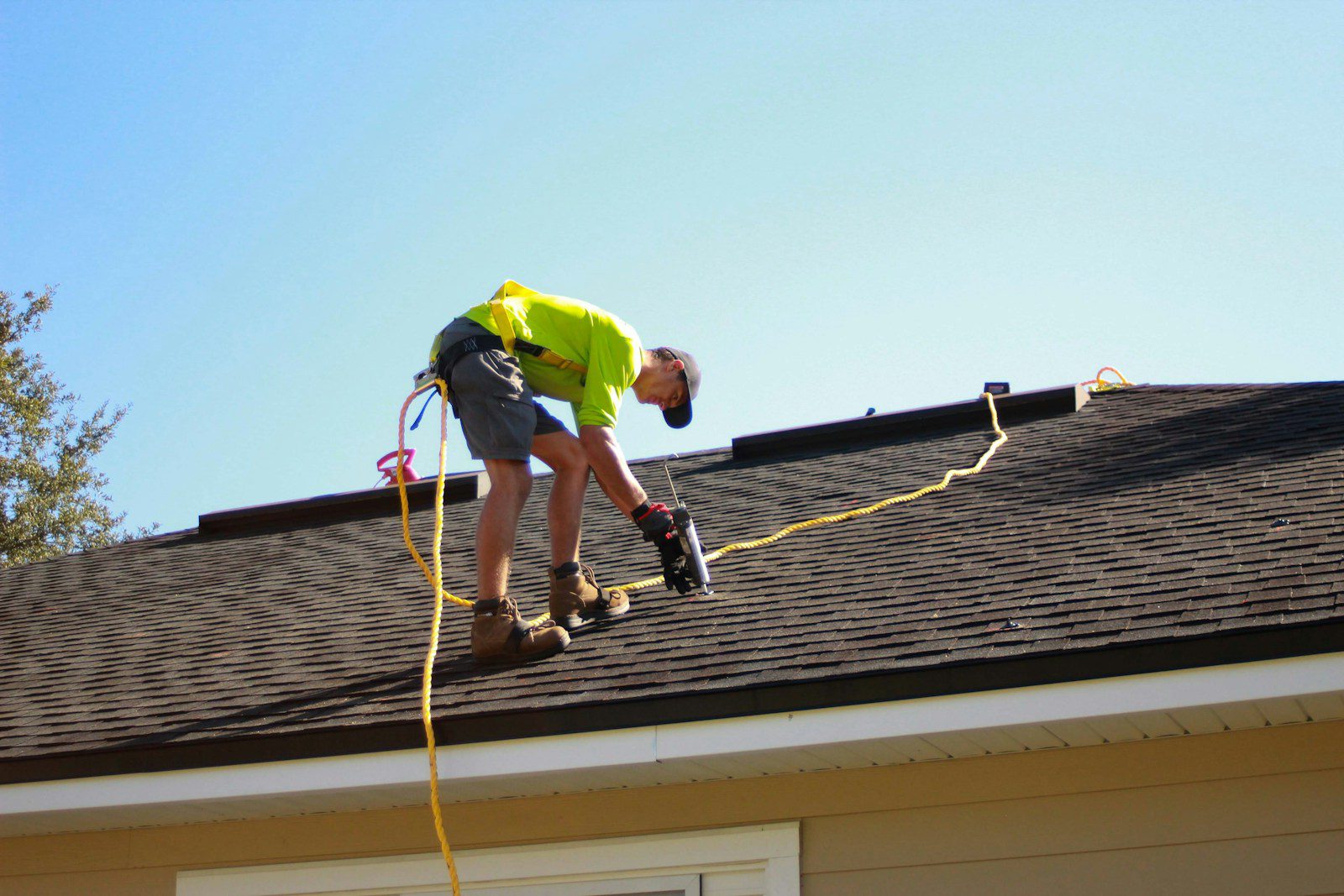
Replacing a roof now costs homeowners an average of $9,607, with some jobs running as high as $46,000, according to fresh 2026 cost data from Angi. Most projects land between $5,902 and that upper figure, driven by roof size, material choice, and how complicated the job turns out to be once a crew actually gets up there. With fall widely considered the best window to get the work done before winter weather sets in, homeowners weighing the decision this month are looking at real money either way. The question is how much of it goes where.

What It Costs
The Angi data puts the typical price per square foot at $4 to $11, which is why total cost varies so widely by home size. A smaller roof around 1,120 square feet runs roughly $4,900 to $12,300, while a larger roof near 3,580 square feet climbs to $15,600 to $39,400. Labor alone accounts for a meaningful chunk of that: independent roofing crews typically charge $40 to $90 per hour per worker, while general contractors overseeing the project often bill 15% to 25% of the total job cost, or somewhere between $90 and $400-plus an hour depending on scope.
Material choice moves the number more than almost anything else. Asphalt shingles, the most common option, run $5,800 to $20,000 for a full replacement. Metal roofing spans a similarly wide $5,700 to $25,000, depending on the metal type and finish. Tile jumps to $8,500 to $26,400, wood shake shingle lands around $16,000 to $27,000, and high-end stone or slate roofing, the material behind those $46,000 outlier jobs, can run anywhere from $5,800 to $30,000 depending on the quarry, region, and complexity of the installation.
The Extras That Add Up
The material and labor numbers above don’t include everything a homeowner ends up paying. Permits typically cost $100 to $1,400 depending on the municipality. A pre-project roof inspection runs around $240. Contractor warranties add $500 to $2,000, and manufacturer warranties on materials can run $500 to $5,000 or more depending on coverage length. Homes with a steeply pitched roof should expect a surcharge of $1,000 to $3,000 on top of the base estimate, since steep slopes require additional safety equipment and slow the work down.
Why Fall Specifically
Fall’s reputation as the ideal roofing season isn’t just tradition. Cooler post-summer temperatures let crews put in longer, more productive days without the heat exhaustion risk that slows down summer jobs, and that same cooler, drier weather is what allows asphalt shingles to set and seal properly before winter’s freeze-thaw cycles arrive, according to Angi’s separate seasonal timing guide. Shingles installed in the wrong conditions can fail to bond correctly, leading to problems well before their expected lifespan is up.
The tradeoff is demand. September and the surrounding fall months are consistently among the busiest for roofing contractors nationwide, which pushes pricing up and can mean waiting weeks for a crew. Homeowners who want the fall installation window without paying peak-season premiums are generally advised to book well in advance rather than waiting until the first hard freeze warning to start calling contractors.
Regional Cost Variance
None of these national averages translate evenly across the country. Labor rates in major metro areas on the coasts typically run higher than the same job in the Midwest or South, and material costs shift with local supply chains and shipping distances. Slate and tile, in particular, cost dramatically more the farther a home sits from a quarry or manufacturing hub. Homes in regions with strict wind or hail codes, common along the Gulf Coast and parts of the Plains, may also require reinforced materials or additional fasteners that push the estimate above national norms even for a standard asphalt job.
Financing the Job
Because a full roof replacement routinely lands in five figures, most homeowners don’t pay the full amount upfront out of savings. Roofing contractors frequently offer in-house financing plans that spread the cost over months or years, and homeowners with sufficient equity often turn to home equity loans or lines of credit, which typically carry lower interest rates than a personal loan or credit card. It’s also worth checking whether the damage prompting the replacement, whether storm, hail, or wind, is covered under a homeowners insurance policy before assuming the full cost falls on you; a portion of that $46,000 high end may be recoverable if the roof failed due to a covered event rather than routine age.
The Bottom Line
A roof isn’t a purchase most homeowners make more than once or twice in the time they own a house, which is exactly why the price swings so hard between $5,902 and $46,000 catch people off guard. Getting two or three detailed quotes, understanding which material fits both your climate and your budget, and locking in a fall contractor before the season books solid are the three moves that separate homeowners who overpay from the ones who don’t.