

Ask a room full of resellers how business is going and you may hear a lot of grumbling about competition. One seller who has been in secondhand since 2015 says the grumbling misses the point, and that the crowded market is actually good news.

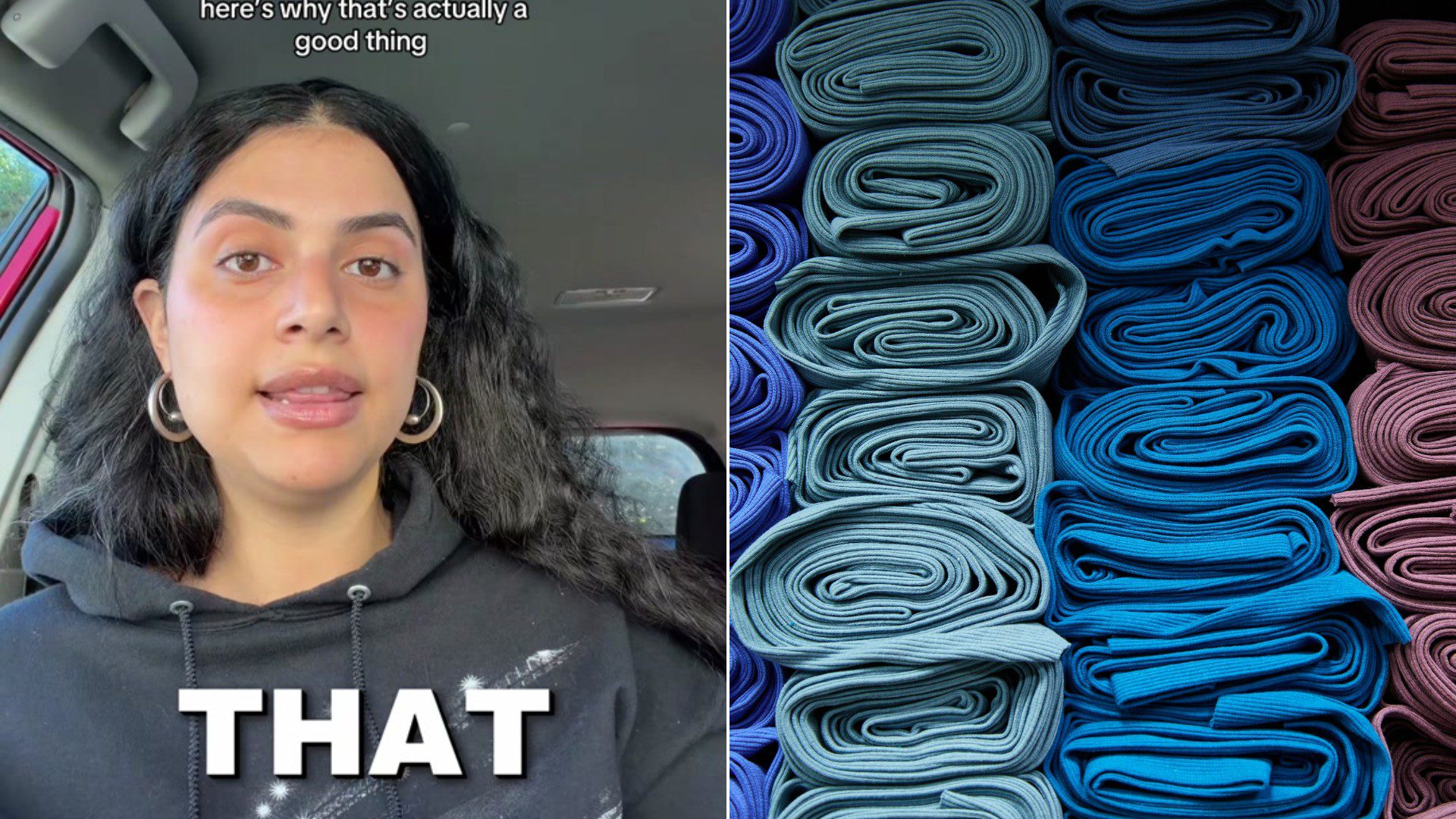
The creator behind @holythrift on TikTok opens with a plain point: reselling is very oversaturated, she says, and it has been since 2020.
@holythrift
Everybody Became A Reseller After 2020
She explains how it happened. After 2020, everybody hopped into reselling as a side hobby because it seemed pretty simple. A lot of people already loved thrifting, so they asked themselves why not make money from it.
The result, she says, is a market where everybody is a reseller and everybody has a vintage store. It has become very common.
Now The Competition Includes Big Companies, Not Just Neighbors
The next twist is that small sellers are no longer just competing with other local resellers. She says big companies have started adding secondhand branches of their own.
“I think Lululemon, you can give them your used Lululemon and then they resell it or something like that,” she says. Her point is that everybody is trying to get into the secondhand market because it is booming.
From Taboo To Badge Of Honor
She has a long view of how things have changed. Since she started in 2015, she says, she has seen secondhand go from something that was almost taboo to something that is a badge of honor.
Before COVID, she says, wearing used clothing was not considered cool. Now people proudly say it is curated vintage.
That change in attitude, she argues, is the reason the market has grown so fast. When more people feel good about buying used, more people shop in the places resellers sell.
Burnout, New Platforms And A Future She Calls Unsettled
She is honest that the boom has a downside. Many of the people who jumped in are realizing it is not as easy as it looks, and they are getting a bit burnt out.
Some veterans, she says, are annoyed with newcomers who flood the best spots. Meanwhile, TikTok Live has emerged, and platforms are helping sellers move serious volume. Depop is trying to get everyday people to put their closets online.
All of that can feel stressful if you are in the middle of it. She says the future of reselling is uncertain, but she sees something positive in that.
“If There’s A Lot Of Competition, That Means There’s A Lot Of Customers”
Here is her main argument. “You want to be in an industry that’s moving and shaking,” she says. If more and more people are trying to get in on it, that is because it is valued, and there are customers there.
“If there’s a lot of competition that means there’s a lot of customers,” she says. She would rather be in an industry with plenty of competition than one where there is none, because the second would be “just crickets.”
Her advice is to lean in. Look at it as a blessing and an opportunity that secondhand is growing at such a fast rate.
It is a point worth sitting with. When a market is quiet, there may be little reason to worry about rivals, but there may also be few buyers. A busy market is noisy, yet the noise comes from people spending money, and every one of those people is a potential customer for a well-run shop.
Sellers who last tend to be the ones who treat reselling as a real business rather than a quick trend. That means paying attention to what customers want, keeping good records and giving buyers a reason to come back.
What To Do Instead Of Worrying About Everyone Else
Her practical advice is to focus on your own shop. She says to think about how you can better yourself, find better stuff, price it well, communicate to customers that you have really good items, and be visible.
- Source better. Spend time learning which items sell well so your shelves are full of pieces people want.
- Price with care. Check sold listings so you are not too high or too low.
- Describe your items clearly. Good photos and honest descriptions help buyers trust you.
- Be visible. Post regularly, try live sales if they suit you, and let buyers know what you have.
- Keep learning. Platforms and buyer habits change, so stay curious about what is working now.
You do not have to sell online to benefit from her point of view. If you shop secondhand, the growth she describes means more options, more shops and more places to find a good piece at a fair price.
For anyone thinking about clearing out a closet and selling a few things, it is also good news. More buyers and more platforms make it easier to find a home for the clothes and household items that no longer fit your life.
Her message boils down to something simple. Crowds are a sign of demand, and the way to stand out in a busy market is to do good work and be easy to find. In her view, that makes this a very good time to be part of the secondhand world.
More Stories You May Like
- Psychology Today Writer Says Pressure To Downsize For Your Children’s Sake Can Backfire, After Two Basement Floods Taught Him He Could Live Without Some Treasures
- Delta Flight Attendant Tells A Passenger At The Door He Took Her Picture While She Slept And Might Post It On Facebook, And She Says He Needs To Be Fired
- Norton Survey Says 35% Of Americans Bought Something They Suspected Was A Scam Just Because The Deal Was Too Good To Pass Up, And Victims Lost $394 On Average