For years, the dream of reselling meant early weekend mornings, a stack of garage sale maps and a trunk full of thrift store finds. One full-time reseller says he left that routine behind, and that his income has been steadier ever since.
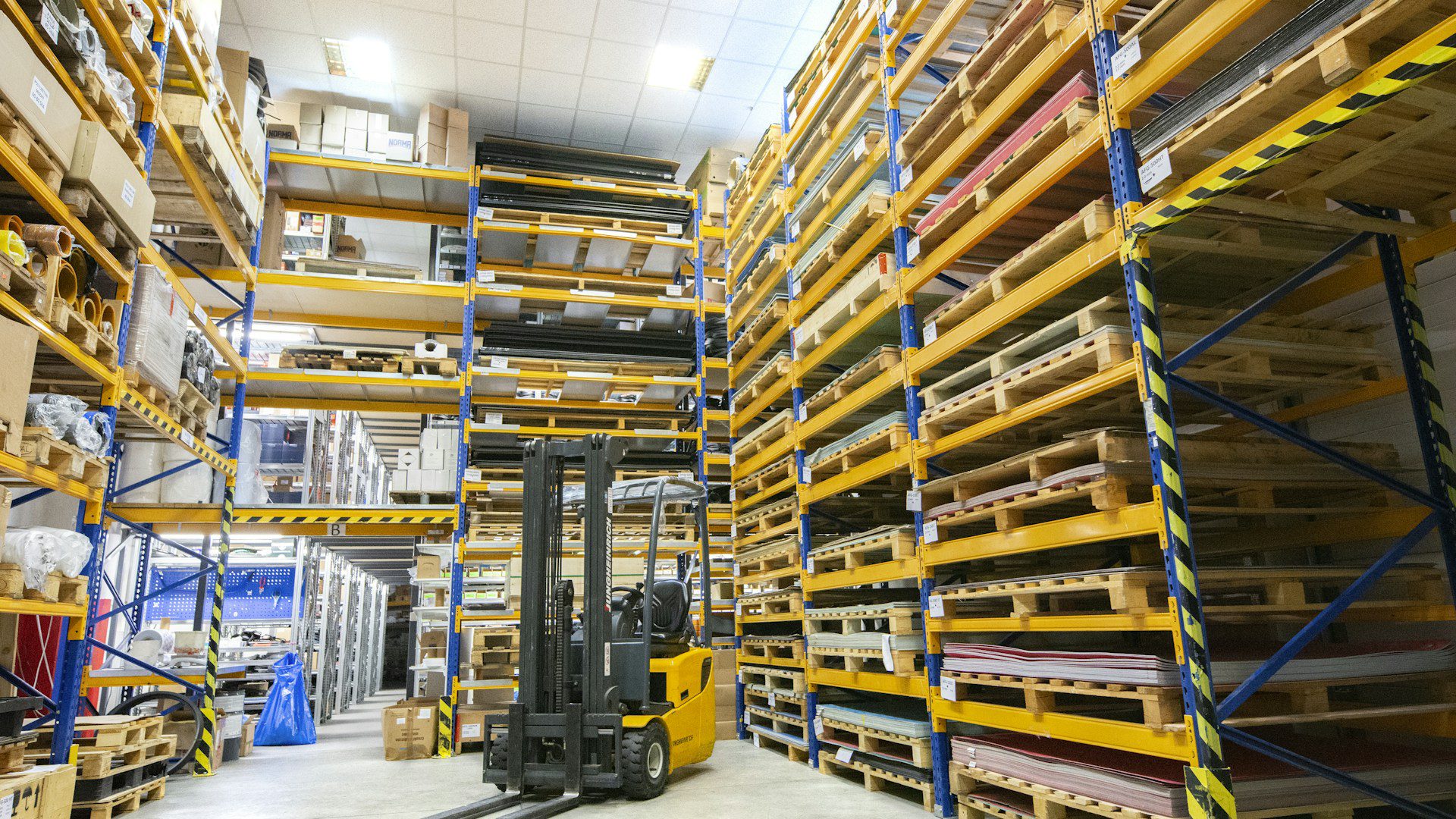
Kyle, who runs the YouTube channel Thrift Boss, says he has been reselling online and offline since about 2012. These days, he says, he grosses between $10K and $15K a month in sales, and 95% of his inventory comes from liquidation pallets.
He shared the numbers in a long video that answers the question he gets most from viewers: where do you get your pallets? His answer is a mix of big upsides and honest warnings.
“I’m Sourcing Two Days Per Month” Instead Of Chasing Garage Sales Every Weekend
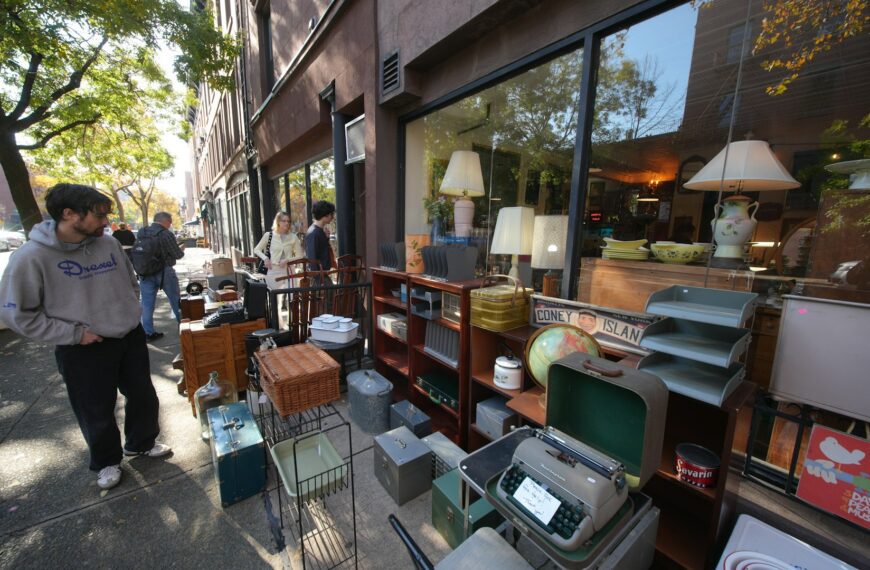
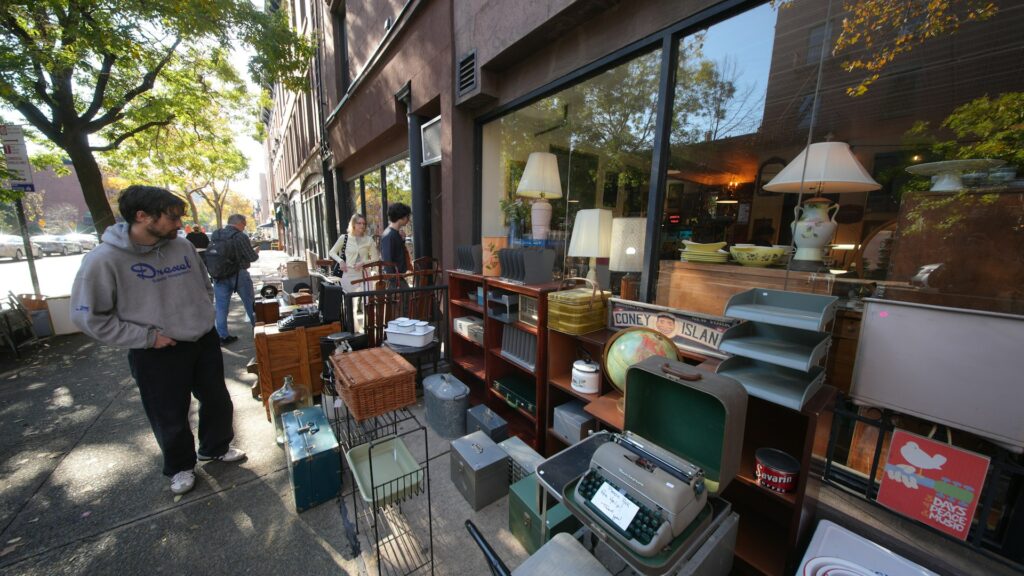
Kyle’s story starts the way many resellers’ stories do. In 2012 he sold on Amazon, and he relied on thrift store routes, garage sales and estate sales to find inventory. He woke up early on sale days and spent hours driving from one sale to the next.
Over time, he says, he moved off Amazon and onto eBay in about 2018 and 2019, right when he got into liquidation pallets. He now also sells on Whatnot and at a flea market, and he says both of those average about $1,200 a month in profit.
The change that mattered most, he says, was time. “I’m only sourcing two days per month,” he says. Those are long days, about 12 hours each with the driving and sorting, but he says it saves him a massive amount of time compared with hopping from house to house.
He puts it plainly. Reselling gave him flexible time, he says, but not always freedom of time. Even without a nine-to-five job, he was working 35 or 40 hours a week hunting for stock, and his goal has always been to work less.
Five To Eight Pallets A Month, And Thousands Of Items In Each Haul
Kyle says each pallet generally holds hundreds to thousands of items. He buys about five to eight a month, which means thousands of items arrive at once.
He pays about $550 to $600 for each pallet on the low end. Depending on how many buyers show up in a given day, the price can climb to about $1,000 each.
Most of what he buys is new. He says about 95% of the items in the pallets he buys are brand new, and that new inventory tends to sell faster and for more money. You also do not have to test it.
His numbers on how fast it all moves are striking. He says 90% or more of what he lists on eBay sells within a few weeks, and that nearly everything he lists eventually sells. His goal, he says, is sales velocity and cash flow.
The Catch: Half Of Every Pallet Is Stuff You Cannot Sell
Here is where Kyle gets blunt. He says at least 50% of every pallet he has ever bought is unsellable, low value or broken.
Another 30% to 35% is good quality but low in value. The last slice, only about 15% of a pallet by his count, makes it to his eBay listings.
He follows two rules for eBay. An item must be worth more than $20, and there has to be data suggesting it will sell within a few weeks, a month at most. Anything else goes to Whatnot, the flea market or both.
He also warns that this is a business with real risk. Of about 500 pallets he has bought over the years, he estimates only about five were really bad, where he broke even or lost a little money. Maybe 20 or 25 more had low margins of a couple hundred dollars. His typical margin runs about 60% to 75%.
“Results may vary,” he says, comparing it to the small print on an old infomercial. He admits he made plenty of mistakes early on and does not want viewers to expect to hit a home run the first time.
“Don’t Go Buy Pallets With Money That You Can’t Afford To Lose”
His most important advice is one he borrows from casino rules. Never bring money you cannot afford to lose. A first pallet can cost several hundred dollars, so a mistake here costs far more than a mistake at a garage sale.
He also explains the difference between manifested and unmanifested pallets. A manifested pallet comes with a list, so you can see what is inside and look up comparable sales. Many viewers tell him to stick with those, and he understands why.
Kyle prefers unmanifested pallets himself. They are generally cheaper and carry a wider range of items, which suits a seller who lists on eBay, Whatnot and at a flea market. But he says he understands the extra risk.
He adds one more warning. Some sellers buy pallets, pull out the good items and sell the leftovers back as “mystery boxes” or similar. Photos can be staged with the best items on top. He says not every mystery seller does this, but it happens, so do your homework.
How He Researches A Liquidation Company Before Spending A Dime
Kyle calls research the most important part of the whole process. He starts with Facebook and Google searches for liquidation companies near him.
He says he prefers smaller community-based companies over the biggest national names. In his experience, local companies have more to lose in reputation, and it is easier to build a relationship with someone who works there.
He also reads reviews closely. A lot of Google reviews is an encouraging first sign, he says, but the negative reviews matter most. He looks for patterns, the same way you would check a hotel for the same complaint showing up again and again.
Kyle names a company he has bought from in the past and says it treated him well. He says the company did not sponsor him and has no idea he is mentioning it.
What To Take From His Plan If You Sell Stuff At Home
Not everyone wants to buy pallets, and Kyle himself says this may not fit your situation. But a few lessons from his video work for anyone who sells online or at home.
Count your time as money. If you spend a whole weekend to make a small profit, ask whether the hours are worth it. Kyle moved away from garage sales because time was the one thing he could not get back.
Set a minimum price. His $20 rule keeps him from clogging his listings with items that cost more in shipping and effort than they earn. Think about your own number before you list a pile of small items.
Check sold listings, not asking prices. His rule that an item needs data showing it will sell within a few weeks is a good habit for anyone. Look at what similar items actually sold for.
Have an outlet for the rest. With thousands of items, he needs a way to sell, donate or discard the leftovers. Anyone clearing a house or a garage faces the same question.
Start small and learn. Kyle’s own advice is to go gently at first and treat your first purchase as a lesson. Whether you sell a few books or a pallet of goods, the same rule applies: spend only what you can afford to lose.
More Stories You May Like
- Reseller Couple Hit 19 Garage Sales In One Day, Grabbed Three Rugs For Just $6 And Say Their Sales Grossed Over $1,000
- Vintage Reseller Quit Her Booth In January And Says She Made Over $10,000 Selling Only Local Pickup On Facebook Marketplace, But Turning On Shipping For One Month Nearly Killed Her Local Sales
- The Children’s Place Files For Chapter 11 With Every Store Still Open, Then Sets A December 9 Deadline For Bids On Its Assets And Brings In Tiger Group To Run Inventory Sales