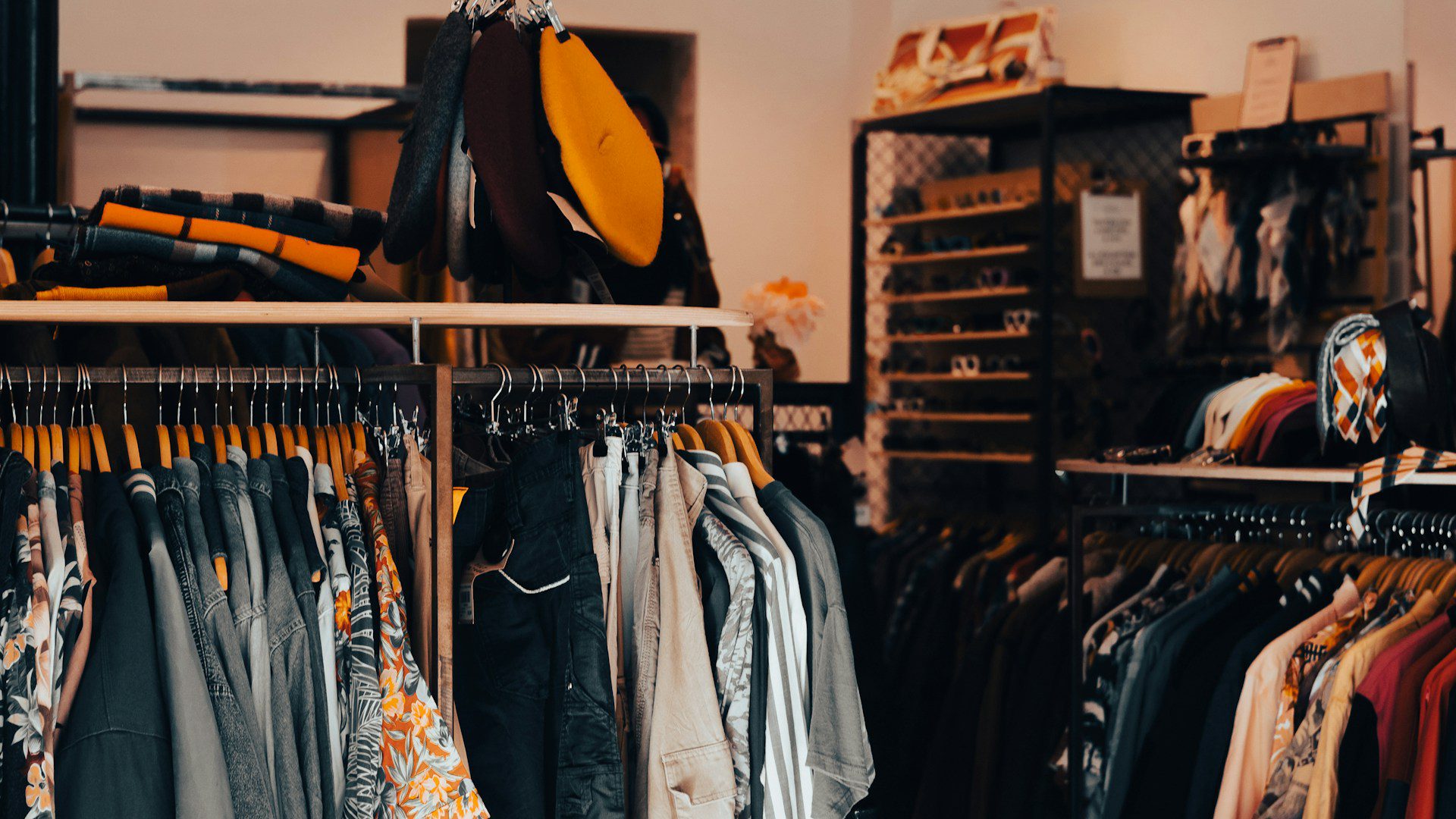
You walk into a thrift store, face rack after rack of clothes, and nothing stands out. Everything looks the same, you leave with nothing, and meanwhile someone else is flipping the same stuff online for real money. Lee Myer says she lived that exact scene before things changed.
Lee runs The Empowered Reseller on YouTube, and she says she has made over $100,000 in net profit selling used clothes from thrift stores. In this video she walks through a store section by section, and she points out where most shoppers leave money behind. She says that includes items left on the rack even by experienced resellers.
She Says Learning Brands Was Not What Changed Everything
Lee says there are items sitting on thrift racks that sell for $50, $80, even over $100. What turned her results around was not memorizing more brand names. It was learning one skill, how to spot value.
She heads in with no big plan, since it is her first time in this particular store, and starts at the left and works around.
Shiny Gold Loafers Worth Paying Up For
The first section is women’s shoes, and she finds shiny gold penny loafers from Fry in almost perfect condition. They are marked up, but she says they are worth it because of the total dollars she will make, not just the percentage return. Based on comparable sales, she is confident she can turn the investment into three to four times what she paid.
She uses Terapeak to check sold prices and says the phone or desktop version is best because it shows when a best offer was accepted. She also looks hard at construction and materials, and anything leather gets picked up.
Her tip is to check the very top and very bottom shelves. Those, she says, are the spots most commonly missed.
Comfort Shoes Are Her “Bread And Butter”
Lee scans for comfort shoes, which she calls some of the most overlooked styles. They sell for a decent amount and sell quickly. She says to pay attention to the words in the description, because phrases like “biomechanical footwear” usually signal extra value, and anything new with tags is worth a look.
Bigger sizes matter too. A pair from Torrid in a large size catches her eye, since larger sizes sell better and for more money. She also finds comfort sandals from Orthofeet, a brand with a good following.
The Best Finds Are Often Thrown In A Bin
Many stores have items tossed in bins when shelf space runs out, and Lee says that is where she finds things people never dug through. She spots a pair of engineer boots and knows they are quality leather from the deep stamp on the bottom before she even reads the brand. They are Vintage Foundry, and similar styles sell for $75 to $80, maybe a bit more.
Then comes a single Timberland boot. She finds the match in a top bin and notes they were priced at only $12.99, while another thrift store near her had similar Timberlands for $30. The pair looks like new.
Her shoe approach is simple. It is the section where she usually spends the most, because shoes have one of the highest sell-through rates in clothing. Even with marked-up prices, she says the margin is strong. After just the women’s shoes, she says, there is easily $100 plus of net profit.
Plus Size Dresses And A Trending “Whimsy Goth” Look
Next are dresses. Lee starts with the biggest sizes because they are almost always worth more, and she looks for current styles, quality fabric and vintage. She picks up layering pieces from Lane Bryant, including one at 50% off, and another item from Torrid.
She also keys in on looks shoppers are chasing. A black velvet dress with huge bell sleeves fits the “whimsy goth” trend, and she says to use keywords like witchy and whimsy goth in the listing. She is always looking for velvet, especially black velvet, because buyers are paying up for it even from lesser-known brands.
She also warns about wasted money. If a piece is not good quality, even new with tags and on trend, skip it. A Boden dress in the shop is a pass, because while some Boden items hold resale value, this one does not.
In smaller sizes, she runs through quickly. A textured dress from Cache, a throwback brand at 50% off, makes the cut. Her dress haul, she estimates, should net $50 to $100.
Lower Value Tops Can Still Pay When You Find Three
Women’s tops usually have lower value, so she scans for discount tags, trending fabrics and layering pieces. She also looks for duplicates, since donations sometimes include more than one of the same item, and one listing can sell all three.
On this trip she found a size 5X hoodie, then two more of the same in the aisle. Three of one low value item makes it worth the pickup.
She also checks every section for vintage tags. If a tag says made in the USA, she says you can almost guarantee it is vintage, though plenty of valuable vintage pieces were made elsewhere. From the tops section, she expects around $100 after seller fees, cost of goods and expenses.
A $3.50 Find That Should Sell For At Least $75
Her favorite detour is the bra section. A niche area like this can hide a lot of profit, including one item she picked up for about $3.50 that should sell for at least $75.
The trick is brands thrift stores do not recognize. Victoria’s Secret is usually marked up, but others are not. She points out Lomi, with its distinctive vertical tag on the wing, and says bigger bands and bigger cup sizes almost always sell for more.
Right next to the bras, a tiny sleepwear rack held a vintage rainbow seersucker nightgown with pin tucks. It is not a brand you would think of as valuable, but she says comparable sales are around $75, and she might price it higher for the unique design.
How To Shop A Thrift Store Like She Does
You do not need her experience on day one. Use her habits as a checklist.
- Check the top and bottom shelves and any bins of loose items.
- Feel for quality materials, and pick up anything leather.
- Go for larger sizes, which sell for more.
- Look up sold listings before you pay a marked-up price.
- Skip pieces that are trendy but poorly made.
- Buy duplicates when three of the same item need only one listing.
- Read the tags, and treat made in the USA as a hint of vintage.
Start small, track what you pay and what you earn, and you will quickly learn which sections reward your eye. Over time you stop needing your phone for every item, because you simply know.
More Stories You May Like
- Reseller Who Walked Out Of His First Thrift Store With Nothing Two Years Ago Now Can’t Turn Off His Brain, Even Spotting Money In His Grandparents’ House
- Vintage Reseller Quit Her Booth In January And Says She Made Over $10,000 Selling Only Local Pickup On Facebook Marketplace, But Turning On Shipping For One Month Nearly Killed Her Local Sales
- Thrift Store Reseller Puts Back A Disney Shirt, A Real Tree Fishing Top And Spanx Leggings, Then Takes Home A Jumpsuit That Sold For $30 To $60