Walking into a thrift store with a plan to resell clothes can feel like stepping into a warehouse with no map. Racks stretch in every direction, and an hour can disappear before a single good piece lands in your cart.
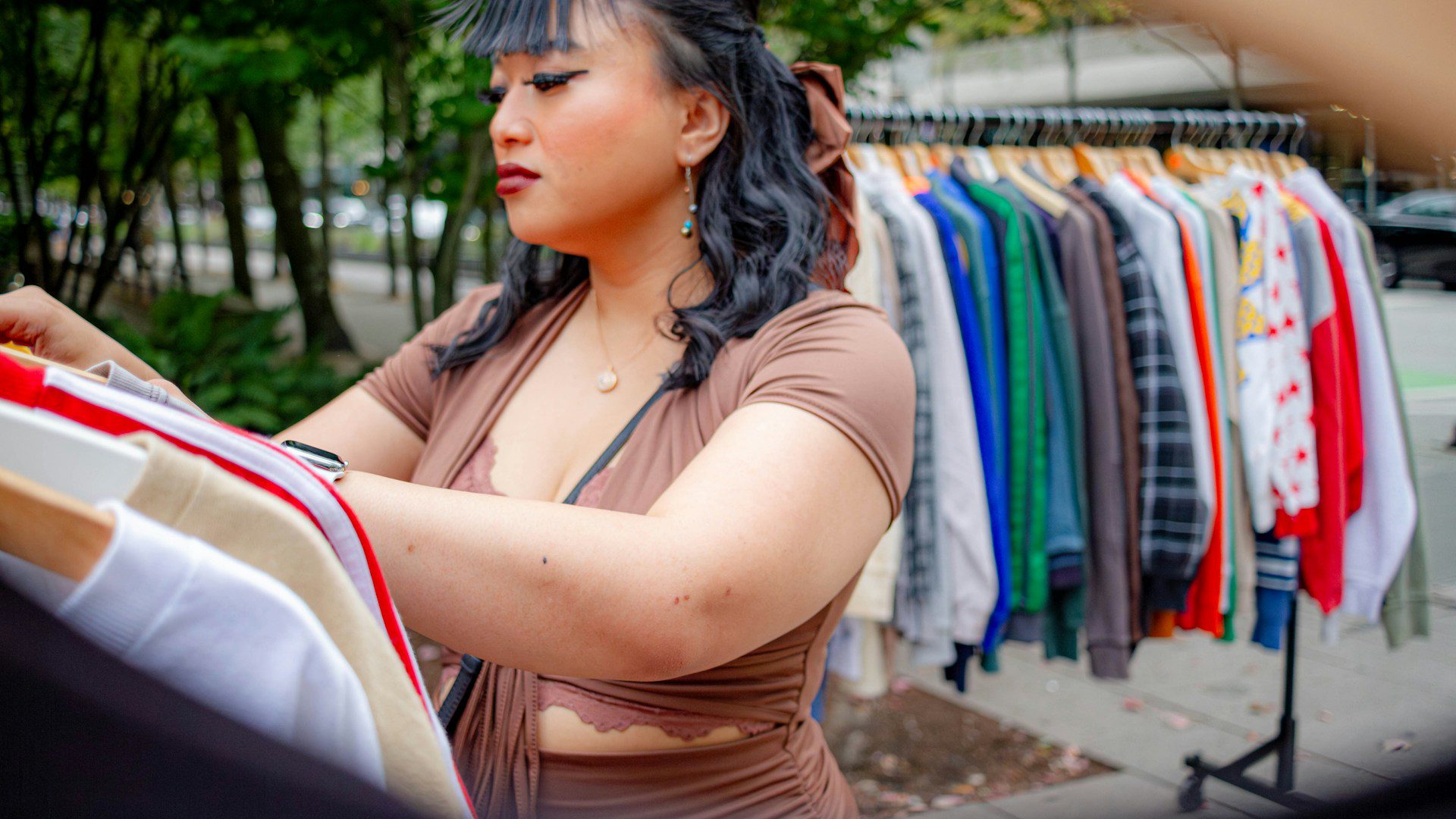
Reseller Lee Meyer says it does not have to go that way. In a video on the @listingtofreedom YouTube channel, Meyer explains having made well over $100,000 in net profit flipping used clothes online, by hitting the right sections and skipping the rest.
The promise is simple. Once you know where to look and what you are looking for, Meyer says, you can walk out with $100, $200, even $300 or more in potential net profit sitting in your cart, without spending the entire day on every single rack.
“Skip” Does Not Mean There Is No Money There, Meyer Says, It Means The Hunt Takes Too Long
Meyer rates every section of the store one of five ways: skip, only if I have time, quick look, always check or go here first. A skip rating does not mean a section is empty of value, Meyer points out, since even the least favorite areas can hide $50, $75 or hundred-dollar pieces.
The real question, according to Meyer, is whether the time it takes to find those pieces is worth it compared with somewhere else in the store. The goal is not to find every profitable item. It is to find the best profitable items in the time you have.
Everyday kids clothing is a big skip. There are racks of basic tees, leggings and pajamas worth maybe $5 or $10 each, though Meyer will glance at snowsuits, ski wear, formal dresses, quality shoes and anything vintage.
Basic Short Sleeve Shirts And Plain Skirts Get A Glance, Not A Search
Men’s basic short sleeve shirts are another place Meyer spends little time, because long sleeve shirts almost always sell for more. Vintage Hawaiian prints, silk or linen, novelty designs, embroidery and western snaps are worth a stop, and the 2XL and 3XL sizes sometimes get a check.
Women’s skirts, tops and standard-size dresses fall into the “only if I have time” group. There is money in vintage and Y2K minis, plaid academia styles, wool, leather, suede and long denim, but plain black pencil skirts and simple office wear sit for a long time, Meyer says.
In dresses, style matters more than the brand. Meyer has seen mall brands and even unbranded pieces sell because they had the exact halter neckline, bell sleeves, lace or era look a buyer wanted, and some Y2K dresses sell for $150.
A Blueberry Hat Sold For About $70 And A Tie Can Pay For Itself In One Minute
The small sections are where Meyer likes to move fast. The hat section can usually be scanned in about a minute, looking for vintage truckers, old company logos, western hats and anything tied to a hobby or event. Meyer once sold a blueberry hat for about $70.
Ties work the same way. If a rack has 30 of them, a quick look turns up silk, designer names or novelty patterns, and Meyer says that one minute spent finding a $40 or $50 tie that cost $4 or $5 is a profitable minute.
Men’s shoes, handbags, women’s jeans, hoodies and men’s shorts also get a quick look. Meyer points to plain brown or black vintage Coach bags that are easy to overlook, and to men’s leather boots and work boots where the weight, stitching and sole tell the story before the brand does.
Swimwear, Belts And Sleepwear Are Small Sections Meyer Always Checks
Women’s shoes are one of the first stops, especially comfort shoes, quality leather, western boots and large sizes like a women’s 13. Meyer checks the sole, the insole and cracking, and gives older pieces a bend test to make sure they do not fall apart.
Swimwear is a section many sellers avoid, which means less competition. There may be only 20 suits, so Meyer looks for plus sizes, bra sizes in the suit, shapewear construction and one-piece styles, and says the keyword “modest” can help.
Belts take almost no space, are easy to ship and are often priced without much thought by the store. Tooled or woven leather, western styles and interesting buckles are the targets, and Meyer says the buckle alone can be worth more than the belt.
Sleepwear can be hit or miss, but a single find can make the entire trip. Nylon, satin, lace and long gowns do well, and men’s nightshirts have little competition, with plain-looking vintage pieces selling for $50, $75 or more.
Work Pants, Flannels And Bras Are The “Boring” Sections That Pay The Bills
Men’s pants and jeans are a go-here-first section. Work wear, fire-resistant pants, carpenter pants, reinforced double knees and waist sizes 40 and up sell because people need them, and Meyer says a pair bought for $8 or $10 can consistently sell for $40 or $50.
Men’s long sleeve button-ups get the same priority. Flannels, work shirts, western shirts and fishing shirts are not exciting, but “boring pays the bills,” and an older plaid flannel with the right fabric or tag can bring $50 or more.
Bras are one of Meyer’s favorite overlooked categories. The search is for larger cup and band sizes, front closures and specialty brands, and a specialty brand priced at $4 can sell for far more online than a Victoria’s Secret bra marked $12. They are quick to photograph and list, ship at roughly 4 to 8 ounces, and returns are rare, Meyer says.
Plus Sizes Come First Because Fewer Sellers Are Competing
When short on time, Meyer heads for the plus-size racks, across tops, dresses, jackets, jeans and sweaters. Larger sizes have fewer competing listings online, and buyers in those sizes often struggle to find what they want.
That changes the math. If the same shirt turns up in a small and a 3X, the 3X is the one to grab, and a 5X even more so, though the right aesthetic still matters.
Jackets, coats and sweaters move up and down the list with the seasons. In fall and winter, leather, wool, down, waxed cotton and vintage ski coats can be go-here-first finds, and a lesser-known 100% wool Norwegian sweater could be a $50 or $100-plus item.
What To Do If You Only Have 20 Minutes
With two hours, Meyer might go through skirts, standard dresses and women’s tops. With only 20 minutes, the route is plus sizes, bras, swimwear, men’s pants and jeans and men’s long sleeve button-ups, then jackets if they are good that day, then a sweep of the small sections of belts, hats, ties and maybe shoes.
Meyer also keeps an eye out for odd collectible items, such as pieces featuring cats, dogs, horses, gardening or golf, and looks up sold prices on them. The thinking is in profit per minute, not in whether something somewhere in the store could technically make money.
The ranking is Meyer’s own, and yours may look different if your store gets great vintage tees or outdoor gear. What matters is asking how long a section will take, what the likely profit is, how much inventory is there and what the odds are of finding something valuable.
What changed the results over the years was not the thrift store, Meyer says. It was learning to recognize value, which fabrics matter, which styles people are paying for and which sizes have less competition, and that meant less wasted time.
More Stories You May Like
- Mom Spots Red Tags In Aldi’s Aisle Of Shame And Walks Out With A $29.99 Cornhole Set For $11.99 While Her Thrift Christmas Shopping Is Just Getting Started
- Minimalist Says She Stopped Buying Cute Organizing Baskets By Asking One Question Before Every Purchase, Where Am I Going To Put It, And Admits She Fell For Them Over And Over Again
- Reseller Who Walked Out Of His First Thrift Store With Nothing Two Years Ago Now Can’t Turn Off His Brain, Even Spotting Money In His Grandparents’ House