

Thrifting looks like a hobby. For @aleamariehunt, it was a way out of debt. She says this is exactly how she paid off $30,000 of credit card debt, and she lays out one recent week of sales to show what she means.

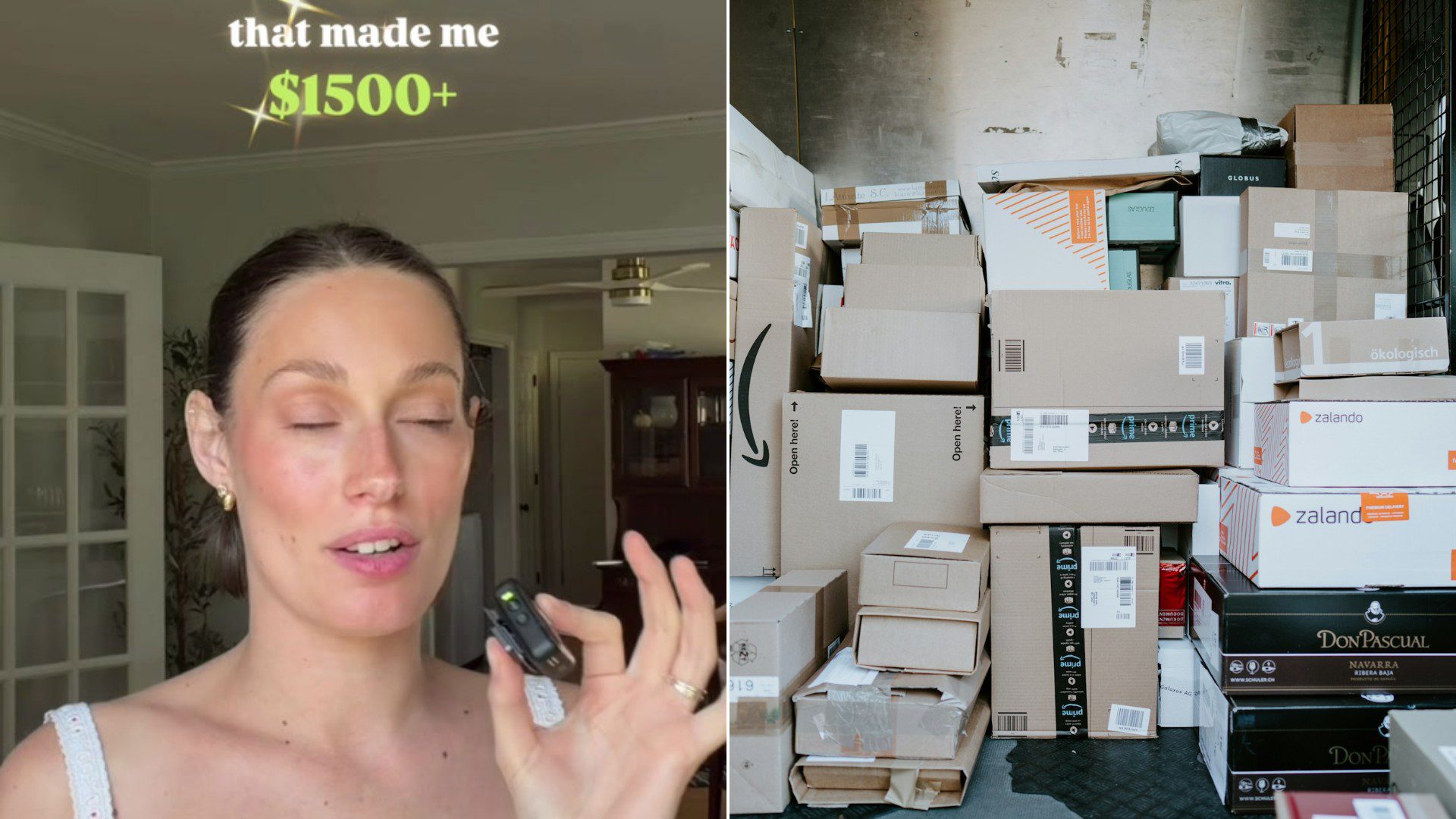
She opens by saying the week made her over $1,500. When she tallied everything up, she had spent $386 and turned it into $2,005, which left her with a $1,619 profit.
She walked through the week item by item, listing what she spent and what each sale brought in. The figures are the whole story, so here they are.
@aleamariehunt
The week, by the numbers
- Spent $60, sold for $100
- Spent $13, sold for $140
- Spent $65, sold for $175
- Spent $30, sold for $175
- Spent $15, sold for $125
- Spent $15, sold for $85
- Spent $30, sold for $175
- Spent $100, sold for $375
- Spent $13, sold for $275
She also listed one sale of $130 for an item she already had at the house, and an opening sale of $250 that came from a $45 purchase. Add it all up and you land on the $2,005 she reports. Notice how uneven the results are. The $13 purchase that sold for $275 is a huge win, while the $60 item that brought $100 is a modest one. Together they add up to a very good week.
What this tells us about reselling
A few lessons show up in her numbers, even without knowing what each item was.
- Cheap buys can have big upside. Several of her biggest returns came from small purchases of $13 to $30. You do not need to spend a lot to find something valuable.
- Volume matters. She made eleven sales in a week. Reselling pays when you keep a steady flow of items moving.
- Not every item is a jackpot. A $15 purchase that sells for $85 is still a fivefold return. Small wins add up.
- Profit is not the same as sales. She is careful to say she spent $386 and made $1,619, not just that she sold $2,005. Platform fees, shipping, and supplies come out of the difference, so keep track of them.
How to get started without risking much
If her numbers make you curious, here is a sensible way to try it on your own.
- Start with what you already own. Before you shop, look around your own home. Unused items in good condition are free inventory, and she herself counted a sale from something already at the house.
- Set a small budget. Give yourself twenty or thirty dollars for your first outing. Buy only what you can research quickly.
- Check sold listings. On resale sites, filter to items that have sold, not just those listed. Sold prices show what people really pay.
- Look for quality and condition. Well-made brands, solid materials, and items with their original parts tend to sell best. Skip anything stained, cracked, or missing pieces unless you know how to fix it.
- Take good photos. Use daylight, a clean background, and several angles. Show any flaws, which builds trust and cuts down on returns.
- Write honest, specific titles. Include brand, size, and material. Shoppers search with those words.
Questions to ask before you buy
Every flipper has a quick mental checklist at the shelf. Yours might sound like this: Can I find it, clean it, and list it in under an hour? Do I know three or more recent sales at a price that leaves me a real profit after fees and shipping? Can I ship it without it costing a fortune? Is it small enough to store while it waits for a buyer? If the answer to most of those is yes, put it in the cart. If not, leave it for the next shopper.
Heavy or fragile things can eat your profit in shipping and breakage, so beginners often do better with items that are light, durable, and easy to pack. As you gain confidence, you can branch into bigger pieces that sell locally, where there is no shipping at all.
Using the money wisely
What stands out most is her purpose. She did not flip things for fun money. She used the profits to pay off $30,000 in credit card debt. If you want to do something similar, decide ahead of time where each dollar goes. Setting aside the profit from every sale for a specific bill, rather than letting it blend into the grocery money, makes the progress easy to see.
It also helps to keep a simple record of what you paid and what each item sold for, just as she does. A notebook or spreadsheet is plenty. After a few weeks you will see which kinds of items return the most, and you can focus your shopping there.
A realistic view
One strong week does not guarantee every week will look the same. Resale takes time for sourcing, cleaning, photographing, listing, and shipping, and some items sit for a while. Think of it as part-time work rather than a lottery ticket. Still, her results show why so many people give thrift flipping a try: the startup cost is low, the inventory is everywhere, and the payoff can be real.
So the next time you are walking the aisles of a thrift store or sorting through the garage, look at things the way she does. Ask what it cost, what it could sell for, and where that money could go.
More Stories You May Like
- Thrift Flipper Paid Forty Dollars For An Italian Leather Couch At Goodwill And Says One Hour Of Work Means Five Hundred Sixty Dollars In Profit
- Reseller Says Used Clothes Are Not Worthless Because Cleaning Them Up, Taking Clear Photos, Listing Them On eBay And Shipping On Time Can Help Pay The Bills
- Mom Says A Woman In Front Of Her At Church Kept Glaring Every Time Her Three Year Old Spoke During Loud Worship Music