

Most of us have tried it. You print a gorgeous cleaning chart, tape it inside a cupboard door, and feel wonderfully organized for about a week. By week two, the chart is a curled-up piece of paper and the bathroom is yelling at you again. According to Minimalist Home, the problem was never you. It was the schedule.

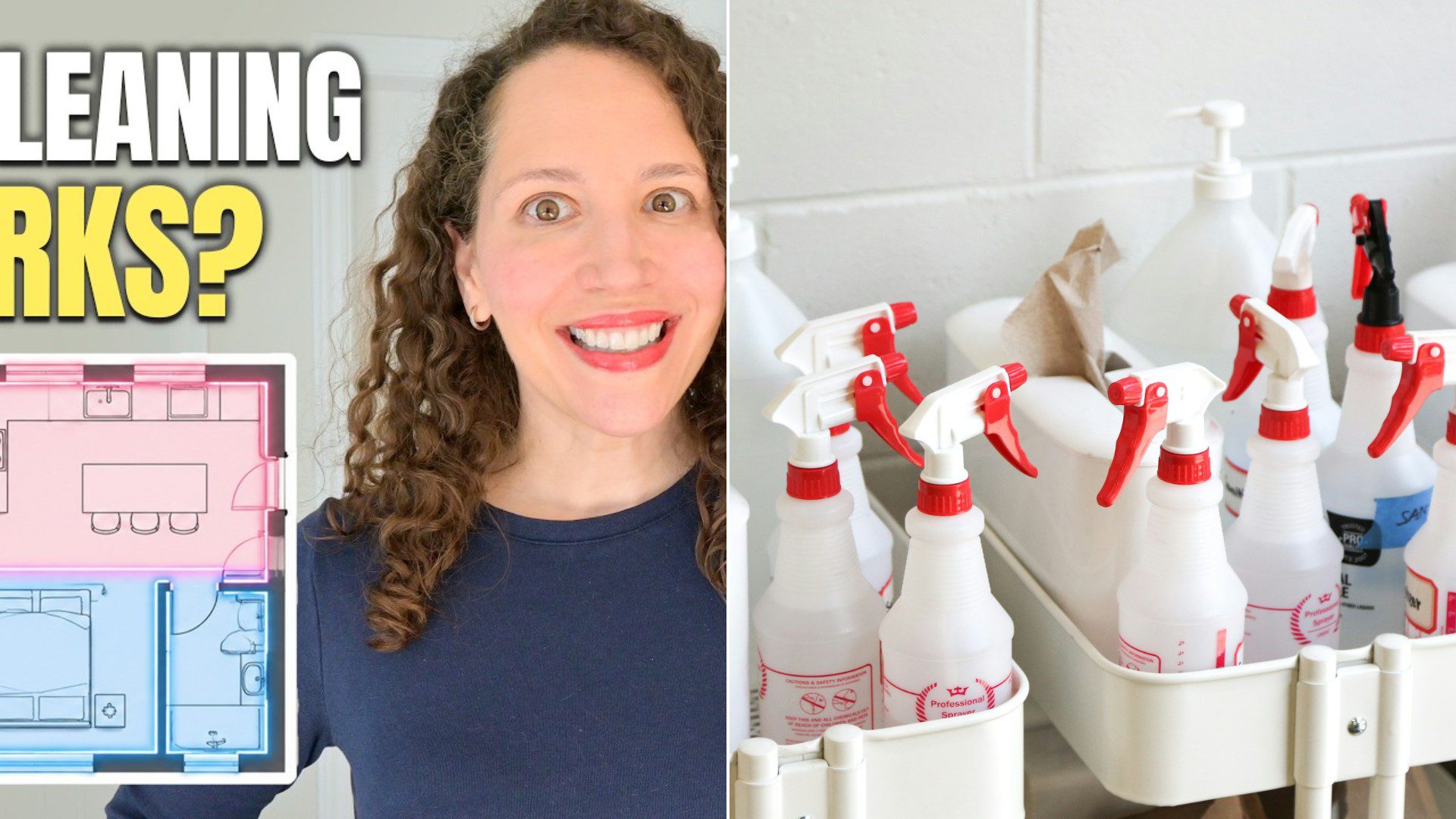
The woman behind the channel introduces herself as Robin, a retired ER nurse and home systems coach who says she has spent years helping women build routines that actually stick. That means she has heard every reason they fall apart. Her answer is a system she calls zone cleaning, and it splits the whole house into 3 zones built around how each room is really used rather than a chart that treats every room as the same.
The idea is simple enough to explain over a cup of tea.

Why Cleaning Schedules Fall Apart
Robin says there are a couple of common reasons routines collapse. Some people have no schedule at all, so they react to mess room by room whenever it becomes unbearable. She calls that exhausting, because you are making decisions under pressure instead of following something you already trust.
Others sign up for highly detailed systems, and she names FlyLady and Clean Mama as examples, saying she loves both. The trouble, in her view, is that so many steps, missions and daily notifications turn keeping up with the system into a full-time job. You end up hiding in a corner with your tea and reruns of Friends, trading one kind of overwhelm for another.
Her message to anyone who has quit a system is gentle. Struggling with one does not mean you are bad at cleaning or bad at routines. It means the system did not match how your home or your brain works. She says she was not born knowing how to clean, and she did not understand routines until she built one.
The Three Zones
Zone one is the kitchen, living room and entryway. Zone two is the bathrooms and bedrooms. Zone three covers the dining room, laundry room and home office. If your house has a room that is missing, such as a home office you do not have, she says to slot in whatever room fits, like a craft room or rec room, based on how often you use it.
The rule that holds it all together is that every room gets a quick daily reset, and the reset takes seconds in each room. What changes from zone to zone is only how often the deeper work happens: daily, weekly or monthly. Nothing is ever left untouched for long, and nothing demands more of you than it reasonably should.
Zone One, the Daily Zone
The kitchen is the center of the house, Robin says, used for meals, snacks, dishes and tea, and food and moisture mean mess builds quickly there. Giving it daily attention is not extra effort. It is what saves effort later. The living room is where the family gathers and where remotes, cups, blankets, mail and toys pile up because everyone passes through.
Her daily reset in zone one means dishes handled, counters cleared, stray items returned home, blankets folded and surfaces cleared. On top of that she layers one small rotating deep task each day, such as cleaning one shelf of the fridge, one pantry shelf, the stove or the inside of the microwave. Instead of a dreaded big kitchen day, the deeper work is spread into pieces you barely register as effort.
Zone Two, the Weekly Zone
Bathrooms and bedrooms get the daily reset plus a weekly deep clean. In the bathroom the daily layer is a quick counter wipe, a squeegee pass if you like one, and towels hung properly. The weekly layer covers the toilet, tub, sink, mirror and floor. She notes she raised three boys, so some weeks needed more than one deeper clean, but she says once a week is plenty for most homes.
Bedrooms see less traffic, and the mess builds more slowly. Daily means making the bed, putting clothes where they belong and clearing surfaces. Weekly means a sheet change, dusting and vacuuming. She admits she has always enjoyed cleaning a bathroom, even as a teenager, and likes to put in her AirPods and listen to a podcast while she works.
Zone Three, the Monthly Zone
The dining room, laundry room and home office get the daily reset plus a monthly deep clean. Robin says the dining room varies from family to family and often doubles as a landing spot for mail. The laundry room is used in bursts, and the big challenge there is keeping laundry moving through its full cycle so it does not become its own pile.
The home office follows a similar rhythm, with paper, cords and dust building slowly. Her monthly list includes dusting, wiping behind and underneath furniture, cleaning the lint trap, checking the dryer vent, wiping the detergent drawer, and a deeper vacuum and mop. She adds one caution: the daily reset is what keeps the monthly clean manageable instead of overwhelming.
Why Routines Beat Motivation
Robin says routines beat motivation every time. Motivation shows up to start a big project, you pull everything out, and then she flits off to Iceland on a one-way ticket. A routine does not depend on her. Each zone’s rhythm is decided in advance, so you never stand in a room wondering whether today is the day.
The payoff, she says, is that there is no big weekend clean waiting for you and nothing to catch up on, because the workload was spread out from the start. Her line for the whole framework is that every room gets daily love, and the zones differ only in how often the deeper task happens.
She offers a free copy of her zone cleaning routine at minimalisthome.ca/zones and says this is the first video in a series that will break down each zone over the following weeks. Her closing wish is that your home be your medicine and not your poison, and with a few seconds per room and one small task a day, a clean house looks a lot more doable than another chart on the cupboard door.
More Stories You May Like
- Mom Says Six Small Cleaning Tasks Take Her Less Than Half An Hour And Keep Her Whole Home In Maintenance Mode Starting With Making The Bed Every Day
- She Went From A Four Bedroom House With Three Kids To Owning Only What Fits In Her Subaru, And Shares 12 Ruthless Downsizing Tips
- Consuming Too Much Decluttering Advice Can Make Decluttering Feel Harder, Because Your Brain Gets Overloaded If You Never Act On It