


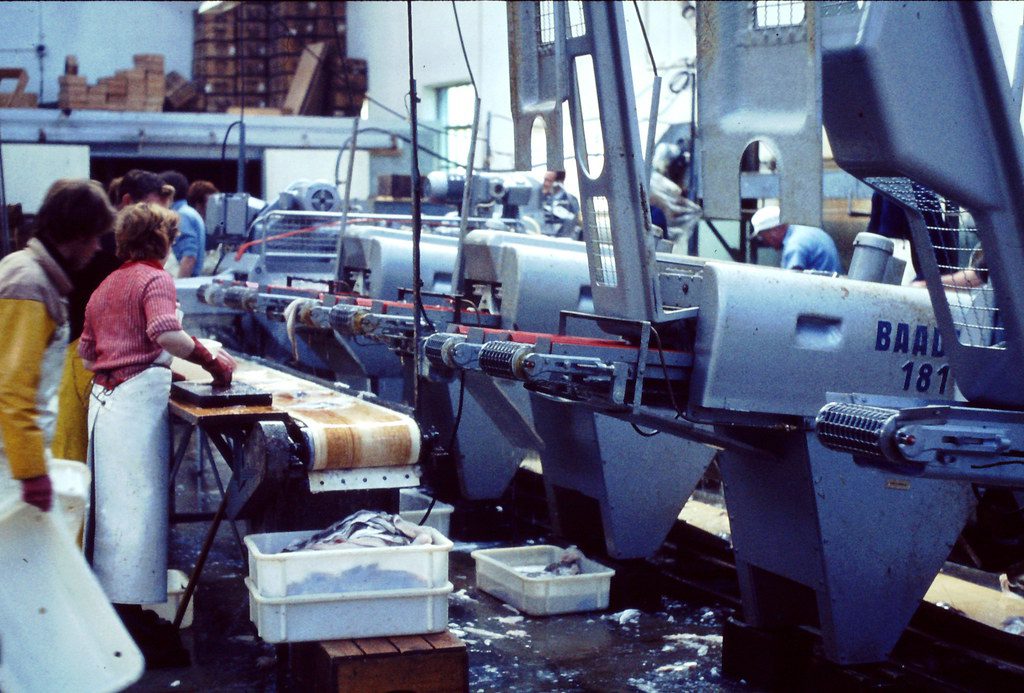
Rodent urine, feces, and bird droppings inside a Midwestern distribution center have triggered one of the broadest consumer recalls in recent memory, sweeping in everything from soda and snacks to pet food and cold medicine.

Regulators say the contamination risk is serious enough that thousands of everyday items are being pulled from store shelves across several states, even though no illnesses have been confirmed so far. The scale of the response underscores how quickly unsanitary storage conditions can ripple through the modern grocery and drugstore supply chain.
How a single warehouse triggered a coast‑to‑coast scare
Federal inspectors tracing routine complaints about product quality ended up inside a Minnesota warehouse that supplied neighborhood grocers, discount outlets, and convenience stores across the Upper Midwest. What they documented was not a minor housekeeping lapse but a pattern of filth that regulators describe as “insanitary conditions,” including rodent feces, pest urine, and other contamination risks in areas where food, drugs, and cosmetics were stored. That finding set off a chain reaction, because the same facility handled hundreds of brands and categories that then moved into communities as far apart as Minneapolis, Indiana, New York.
Regulators say the warehouse, operated by Gold Star Distribution, became the focal point of a sweeping recall after inspections showed that FDA‑regulated food, drug, animal, and cosmetic products were held in conditions that could allow contamination. The Gold Star Distribution action now stretches across multiple states and store formats, illustrating how a single breakdown in basic pest control can ripple through thousands of retail shelves in a matter of weeks.
Inside the “rodent urine and feces” findings
Inspection records describe a facility where pests were not just present but had left visible traces on and around stored goods, including rodent feces and what officials identified as pest urine. Health officials warn that such contamination can carry pathogens like Salmonella, which can spread from droppings to packaging and then to consumers’ hands or kitchen surfaces. The recall notice emphasizes that products stored in these Health conditions may become contaminated even if the items themselves were manufactured safely at the plant.
Local coverage of the Gold Star Distribution recall notes that the FDA determined the warehouse was operating under “insanitary conditions” after finding rodent feces in storage areas and evidence that pests had access to pallets of food and medicine. One report on the Gold Star Distribution case describes regulators linking the contamination risk directly to the presence of droppings and urine, a combination that prompted them to push for a broad recall rather than a narrow, lot‑specific action.
“Bird droppings” and other filth regulators say they found
Rodents were not the only concern. Federal and state investigators also documented bird activity inside or around the warehouse, including bird droppings in areas where packaged food and beverages were stored. Reports on the recall describe Bird droppings as part of a broader pattern of neglect, grouped with other unsanitary conditions that together raised the risk that packaging could be contaminated on the outside even if the contents remained sealed.
Coverage of the crisis notes that regulators framed the problem as “Bird Droppings, Other Unsanitary Conditions Spark MAJOR Recall Across Multiple Food Brands,” language that reflects how multiple forms of filth were present at once. One detailed account explains that Bird Droppings and other contaminants were found in the same facility that distributed recalled products to a long list of retailers, making it impossible to isolate the risk to a single aisle or category.
From Tylenol to pet food: brands caught in the fallout
Because the warehouse handled such a wide range of inventory, the recall now touches some of the most familiar names in American pantries and medicine cabinets. Consumer alerts list cold and flu staples like Tylenol and Advil alongside pet food from Purina and candy from Haribo, all flagged because they passed through the same contaminated distribution center. A financial briefing on the crisis highlights that Food and beverage brands affected by the current recall include Coca, Cola, Pepsi, Diet Coke, Sprite, Canada Dry, and A&W, underscoring how deeply the problem cuts into mainstream grocery offerings.
Separate consumer guidance notes that the recall also sweeps in over‑the‑counter medications and household names like Benadryl, Pringles, and Hershey’s, all handled by Gold Star Distribution, Inc. That same advisory stresses that pet owners should check their shelves as well, since animal products are part of the affected inventory, and that consumers should not assume that a sealed package is safe if it was stored in the compromised facility.
Cold and flu medicines pulled at the height of sick season
The timing of the recall is especially disruptive for families relying on over‑the‑counter remedies during respiratory virus season. Detailed product lists show that “Recalled Cold And Flu Products Cold and” include Liquid DayQuil 12/8oz, DayQuil Cold & Flu, NyQuil, and other multi‑symptom formulas that many households keep on hand. One breakdown of the affected medicines notes that the recall also covers Liquid products and combinations like Advil PM 2PK / 50CT, all of which were stored in the same compromised warehouse.
Health officials stress that the concern is not with the formulation of these drugs but with the conditions under which they were stored before reaching store shelves. The FDA advisory on Summary conditions at the Gold Star facility notes that drugs, animal products, and cosmetic products were held in the same environment where rodent feces and pest urine were documented, which is why regulators are urging consumers to treat any affected lot as potentially unsafe even if it looks normal.
How big is “massive”? The numbers behind the recall
Regulators and consumer advocates are not using the word “massive” lightly. One advisory aimed at shoppers in Louisiana warns that “More Than 2,000 Products Included” in the “Massive FDA Recall Advisory,” spelling out that exactly 2,000 different items are implicated. That same notice points to a list that runs from soda to sports drinks like Gatorade, illustrating how the contamination risk cuts across beverage coolers, snack aisles, and pharmacy shelves.
Local reporting in the Upper Midwest describes “hundreds” of grocery and drugstore products being pulled from stores, with one Chicago‑area update noting that No illnesses have been reported to date, but consumers are still being told to destroy or return any item on the recall list. In Minnesota, television coverage has emphasized that “Hundreds of products sold across Minnesota are being recalled over concerns of rodent contamination,” with one broadcast explaining that, according to the FDA, the affected items were distributed widely across Minnesota and neighboring states.
Where the recalled products were sold
Although the majority of the affected inventory appears to have been distributed in the Minneapolis region, regulators say the network of retailers is far broader. Health officials report that most products went to stores in the Minneapolis area, but some were also found in Minneapolis, Indiana, New York, reflecting how a regional distributor can still reach multiple states. A separate consumer alert lists specific neighborhood grocers, gas‑station markets, and discount outlets that received shipments, including addresses across Minneapolis, St. Paul, and suburban communities.
One radio report on the crisis notes that the recalled products were distributed to some or all of the stores listed in the advisory, including African Halal Deli, Inc in “Minneapol” and other small retailers that rely heavily on local distributors. That same alert stresses that the recall is tied to the presence of pest urine and feces, urging shoppers who frequent these locations to check their pantries and refrigerators for any item that matches the affected brands or lot codes described in the African Halal Deli, Inc notice.
What regulators are telling consumers to do now
Public health agencies are urging consumers not to take chances with any product that appears on the recall lists, even if it looks and smells normal. The FDA guidance for the Gold Star case advises shoppers who purchased affected items to destroy them or return them to the place of purchase for a refund, rather than trying to salvage them by wiping down packaging. A similar directive from food safety authorities in another jurisdiction instructs retailers to “Stop using or selling the affected products immediately if they possess them,” language that has been echoed in U.S. advisories tied to the Stop sale of contaminated goods.
Consumer explainers emphasize that the items were stored in unsanitary conditions, not necessarily manufactured that way, which is why the recall focuses on specific distribution channels rather than entire brands nationwide. One detailed guide by writer Michele Laufik notes that Michele Laufik urges readers to check their pantry and medicine cabinet against the official recall pages, which list all affected products and explain how to identify them by UPC code, size, and expiration date.
Why this recall feels familiar: the Family Dollar warning
For regulators, the Gold Star case is not an isolated shock but part of a pattern of distribution‑level hygiene failures. In a separate enforcement action, Family Dollar Stores, LLC pleaded guilty after investigators found that it had been holding consumer products under insanitary conditions at a warehouse that supplied hundreds of discount stores. According to the plea agreement, the company continued to ship FDA‑regulated products from the warehouse until January even after learning of the pest problems, a detail highlighted in an enforcement summary that begins, “According to the plea agreement, the company continued to ship FDA‑regulated products from the warehouse until January.”
That earlier case, which also involved rodent infestations and contaminated storage areas, serves as a cautionary backdrop for the current Gold Star recall. It shows that when distributors fail to maintain basic sanitation, the consequences can extend far beyond a single warehouse, forcing the FDA to coordinate recalls that sweep across multiple states and product categories. The agency’s experience with Family Dollar appears to have shaped its aggressive posture in the Gold Star matter, where the FDA moved quickly once inspectors confirmed that the Gold Star facility was operating under similar insanitary conditions.
The bigger lesson: supply chains, oversight, and consumer trust
The Gold Star recall is also a reminder of how opaque modern supply chains can be for ordinary shoppers. A consumer picking up a bottle of soda or a bag of chips in a corner store has no easy way to know that the item passed through a specific warehouse in Minneapolis, or that inspectors later found rodent feces and bird droppings in that building. Mapping tools that show the location of facilities like the Gold Star warehouse, such as the place listings used by regulators and journalists, highlight just how central a single node can be in the flow of goods from manufacturers to neighborhood shelves.
For now, officials are leaning on detailed product lists and online search tools to help consumers identify whether a specific item in their home is part of the recall. Shoppers are being encouraged to look up the exact product name, size, and UPC against the recall pages, which regulators say list all affected products. The hope is that by combining aggressive oversight with clear communication, authorities can contain the fallout from rodent urine, bird droppings, and other unsanitary conditions before they erode public confidence in the safety of everyday brands.
More from Decluttering Mom: