Los Angeles claimed the top spot on Orkin’s 2025 list of the nation’s rattiest cities, edging out Chicago and New York for a title nobody wants. On the East Coast, Ehrlich’s own rankings put Philadelphia at the very top of its list of the most rodent-infested metro areas in the region. Marc Potzler, a board-certified entomologist who tracks rodent trends for Ehrlich, doesn’t mince words about what he’s watching happen: “I have seen a massive increase in the number of severe rodent infestations in the Northeast over the last few years. Rodent activity is on the rise for sure.” Behind those headlines sits an even bigger number from the National Pest Management Association: rodents invade an estimated 21 million American homes every year, and most of that activity clusters in the colder months. As the calendar turns toward fall, that annual migration indoors is just getting underway, and where you live has a lot to do with how rough it gets.
The Cities Where Rodents Are Making Themselves at Home
Orkin’s rankings, based on the volume of rodent treatments the company performed in major metro areas, put Los Angeles, Chicago, New York, San Francisco and Hartford at the top of the national list, with Washington D.C., Detroit, Philadelphia, Minneapolis and Denver rounding out the top ten. California alone landed four cities in the top 50, a pattern the company’s entomologists tie to mild year-round weather that never really forces rodent populations to die back.
Zoom in on the East Coast and the picture shifts a little. Ehrlich’s regional list puts Philadelphia first, followed by New York, the Wilkes-Barre–Scranton area, Washington D.C., and the Harrisburg–Lancaster–Lebanon–York corridor in Pennsylvania. It’s a lineup dominated by older housing stock, dense urban blocks, and plenty of aging infrastructure that gives rodents easy passage between buildings.
Then there’s a third list worth watching, because it’s less about who’s already infested and more about who’s trending upward. The NPMA’s Public Health Pest Index flagged nine metro areas facing rising rodent populations this year: Boston, Denver, Louisville, New Orleans, Salt Lake City, Seattle, Washington D.C., Grand Rapids, and the entire state of Florida. Seattle’s inclusion is telling. The index notes that a mild, dry start to winter there encouraged rodents to move indoors earlier than usual, which is a small but real example of how a warmer season doesn’t necessarily mean fewer rodents. Sometimes it just means an earlier and longer one.
Why Fall Is Prime Moving Season for Mice and Rats
The basic mechanics haven’t changed. As temperatures drop, rodents go looking for the same things you want out of your own house: reliable warmth, a stocked pantry, and a safe place to nest. Fields, storm drains, and landscaping that felt perfectly livable in August stop cutting it once nighttime lows fall, so mice and rats start working their way toward the nearest structure, and for a lot of them, that’s your home. Fall is when that shift accelerates, well before the first hard freeze actually arrives.
What’s changed is the backdrop. Ehrlich points to warmer winters and shifting climate patterns as a driver of longer, more severe rodent activity, because milder cold spells no longer knock populations back the way harsh winters used to. Instead, breeding cycles stretch further into the year, so more rodents are already out there by the time fall’s indoor migration begins. Orkin’s entomologists describe the animals themselves as opportunists that will exploit any combination of food, warmth, and access they can find, which is exactly why the NPMA reports that roughly a quarter of homeowners deal with a mouse infestation specifically during the winter months. None of this is really about rodents becoming bolder. It’s about there being more of them, arriving earlier, with more places to slip inside.
The Dime-Sized Gap That Lets Them In
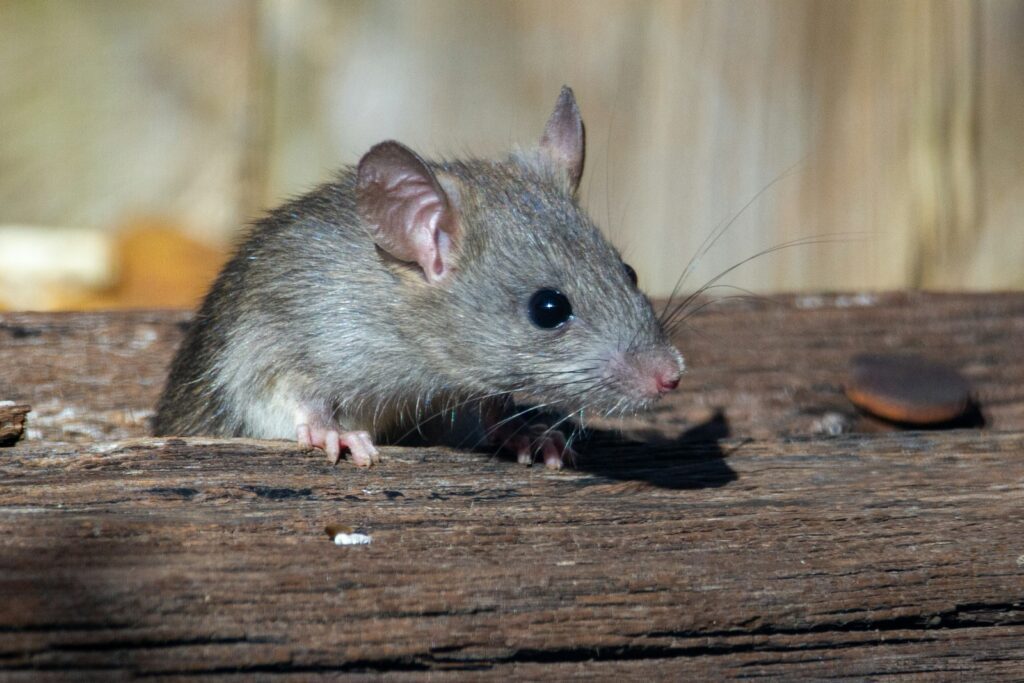
Here’s the detail that surprises most homeowners: a mouse can squeeze through an opening as small as a dime, and a rat only needs a gap the size of a quarter, according to the NPMA. That’s a smaller margin than most people leave around a utility pipe, let alone an aging foundation crack. Walk the exterior of your house this week and look at it the way a mouse would. Check where pipes, cables, and dryer vents pass through the wall, the gap under garage doors, the seal around windows and the base of your siding, and the spots on the roofline where wires enter the attic.
When you find a gap, skip the caulk-only fix, since rodents can chew straight through it. Pack it first with steel wool or a copper mesh, then seal over that with caulk or expanding foam so the barrier actually holds. Cindy Mannes, vice president of public affairs for the NPMA, frames prevention as something homeowners have more control over than they realize: “Pests including cockroaches, ants, spiders and especially rodents are common home invaders in the winter. An infestation by these pests can cause serious health and property issues if not properly dealt with in a timely manner. However, homeowners can help prevent infestation troubles by taking a proactive approach in eliminating entryways into the home.” Doing this walk-around now, while it’s still warm enough to work outside comfortably, beats doing it in November with a flashlight.
Cleaning Up What Attracts Them in the First Place
Sealing gaps only solves half the equation. If your home still looks like an easy meal, rodents will keep testing the perimeter until they find a way in. Move pantry staples like flour, cereal, and pet food into airtight glass or metal containers rather than the bags and boxes they came in, since rodents can chew through cardboard and thin plastic without much effort. Skip leaving pet bowls out overnight, keep garbage and compost in bins with tight-fitting lids, and give the space behind the stove and under large appliances an honest cleaning, since that’s where crumbs tend to collect unnoticed.
Outside, the goal is to remove the cover and food sources rodents rely on to approach the house undetected. Stack firewood at least 20 feet from your home and a few feet off the ground rather than leaning it against the siding, trim shrubs and low branches back from exterior walls and the roofline, and clear out leaf piles, dense ground cover, and fallen fruit near the foundation. Bird feeders are worth a second look too. The spillage underneath is essentially a buffet, so consider a tray to catch fallen seed or moving the feeder further from the house.
When to Call a Professional
Sealing and cleanup handle prevention, but they won’t undo an infestation that’s already established itself. Watch for fresh droppings clustered in cabinets or along baseboards, gnaw marks on wood, wiring, or plastic storage bins, greasy rub marks along walls where rodents travel repeatedly, and scratching sounds in the walls or attic, especially after dark. The wire damage matters more than it might seem: Potzler notes that “a very large percentage of unexplained structural fires are attributed to rodents gnawing on wires,” which turns a nuisance problem into a genuine safety one.
An occasional single mouse caught in a trap is manageable on your own. Sounds of movement inside the walls, repeated sightings, or droppings in multiple rooms usually mean you’re dealing with an established population rather than a lone visitor, and that’s the point where a licensed pest professional earns their fee. They can locate entry points you’d miss, assess how far a colony has spread, and use targeted control measures instead of relying on a handful of store-bought traps and hoping for the best.
What all three of these rankings really point to isn’t a single worst city so much as a shifting baseline. Winters that used to knock rodent populations back are increasingly failing to do that job, which means the animals showing up at your foundation this October are the tail end of a bigger, earlier breeding season than your house dealt with a decade ago. The ranking your city lands on matters less than what you do with the next few weeks of decent weather, because every gap you seal and every food source you lock down now is one less thing a rodent has to work with once the temperature actually drops and the whole neighborhood’s population starts looking for a way inside.