


About 5,543 CCCEI-brand power strips sold on Amazon for under $30 are being recalled after two of them sparked and melted inside customers’ homes — a small number of reported incidents, but a genuinely unnerving one, given how ordinary an unmarked black power strip looks sitting behind a desk, TV stand, or nightstand where nobody thinks to check it twice.

1. What’s actually wrong with them
CPSC’s recall notice says the power strips lack supplementary overcurrent protection, the internal safeguard that’s supposed to cut power before a strip overheats when it’s plugged with more devices than it can handle. Without it, an overloaded strip has nothing standing between normal use and a fire. Two consumers reported their units sparking and melting; no fires or injuries have been confirmed yet, but the agency is treating that as a matter of timing rather than a sign the risk is minor.
2. Which power strips are covered
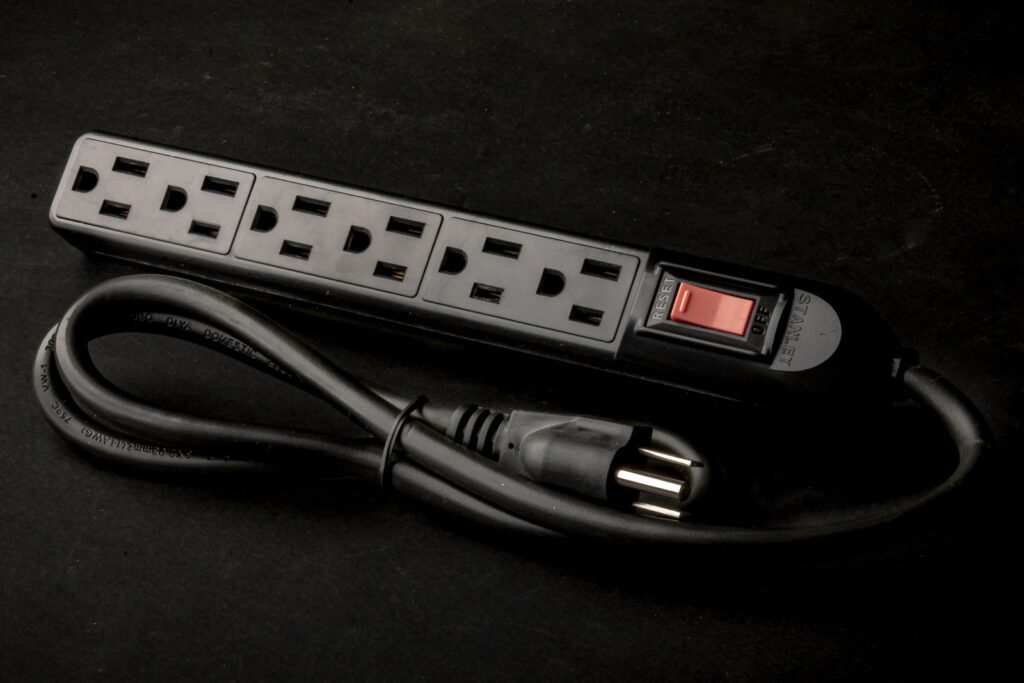
The recall covers CCCEI-brand power strips with six-foot, 10-foot, and 15-foot cord options, built with a black metal enclosure holding six outlets, each with its own on/off switch. They were sold exclusively on Amazon.com from April 2024 through January 2026, priced between $23 and $30, and manufactured overseas by Middle Way Electronics.
3. What to do if you have one
Stop using the power strip immediately and unplug it. CPSC’s recommended remedy is a full refund directly from the manufacturer — contact Middle Way Electronics at CCCEIpowerstrips@outlook.com to arrange it. This recall followed an earlier product safety warning the agency issued on March 5, 2026, before escalating to a formal recall on March 26, 2026, once the pattern of reports was confirmed.
4. Why this particular hazard is so easy to miss
A power strip doesn’t announce that it’s overloaded the way a tripped breaker does. Most people plug in a lamp, a phone charger, a space heater, and a laptop charger without doing any math on total amperage, and a strip with proper overcurrent protection is built to handle that kind of casual, everyday overloading by cutting power before anything overheats. Strip it of that protection, as CPSC says these units were, and the same routine use becomes the failure point.
5. How to spot a similarly risky strip even if it isn’t this one
Look for independent safety certification markings — UL, ETL, or CSA — printed directly on the strip itself, not just on the packaging you probably threw away. A legitimate certification mark means an independent lab tested the unit’s overcurrent protection, not just its plug shape. If a strip has no visible certification mark, feels unusually light for its size, or came bundled at an unusually low price from a brand name you don’t recognize, treat it the way CPSC is now treating CCCEI strips.
6. The habits worth adopting regardless of brand
Avoid daisy-chaining one power strip into another, don’t run high-draw appliances like space heaters or window units through a strip at all, and don’t tuck cords under rugs or furniture where a hot spot could go unnoticed until it’s already smoldering. None of that is specific to this recall — it’s the baseline that makes any power strip, certified or not, less likely to become the next one on this list.
7. Why cheap electronics recalls like this keep happening
CCCEI isn’t a household name, and that’s part of the pattern. Marketplace sellers can list electronics under a brand created specifically for that storefront, with little of the manufacturing oversight a recognizable name typically carries. Middle Way Electronics, the manufacturer behind this recall, is based overseas, and CPSC’s process for these cases usually starts with a handful of consumer incident reports rather than a factory inspection — meaning a defective batch can sit in thousands of homes for months, as this one did between April 2024 and January 2026, before a pattern emerges. If you experienced sparking, melting, or any other malfunction with a power strip, reporting it to SaferProducts.gov is what actually builds that pattern for CPSC to act on.
Nearly every home has at least one power strip nobody has looked at closely in years, wedged behind a couch or a TV stand and doing quiet, unglamorous work every day. This recall is a reminder that the ones doing the most electrical work in a house are often the least inspected, and a $25 strip with no overcurrent protection can undo every other safety precaution plugged into it.