



Parents are used to getting the dreaded “lice letter” and clearing their calendars, not just their kids’ scalps. So when a school tells families to treat the bugs but still send children to class, it can sound reckless at first pass. In reality, that advice lines up with what the Centers for Disease Control and Prevention, the American Academy of Pediatrics, and the National Association of School Nurses have been saying for years: head lice are a nuisance, not a health emergency, and keeping kids in school is the priority.
Instead of automatic suspensions from class, national health leaders now push a more practical playbook that mixes quick treatment at home with calm management at school. The shift is jarring for parents who grew up under “no nit” rules, but the science, and the school policies built on it, are pointing in the same direction.

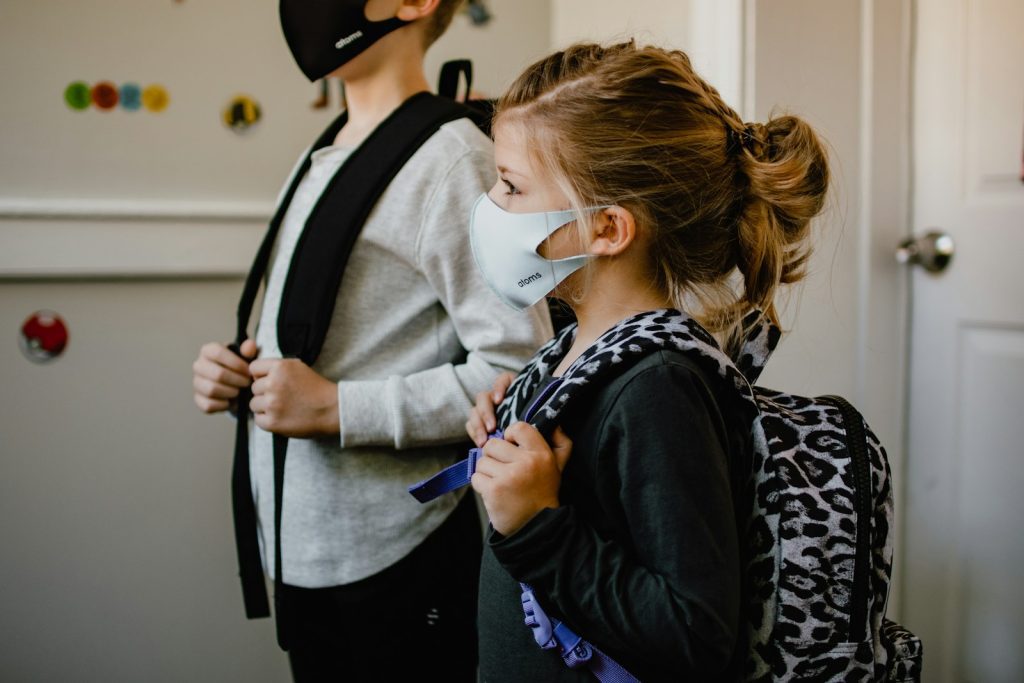
Why experts say kids with lice can stay in class
The core of the new approach is simple: head lice do not spread disease, and they do not justify blowing up a child’s education. Federal health guidance explains that you can examine a child’s scalp, confirm an infestation, and then start either prescription or over the counter medication without pulling them out of class for days at a time, because the insects are mostly spread through prolonged head to head contact, not casual classroom proximity. In its Key points on caring for head lice, the agency notes that sending children home early from school is not recommended, and that routine classroom screenings do little to stop transmission.
That same logic now shapes how schools handle the first itchy report. National guidance stresses that either prescription or over the counter treatments can be effective when used correctly, and that the real work is careful combing and follow up at home rather than mass exclusions at school. Instead of panic, the message to families is closer to: treat promptly, avoid sharing hats and brushes, and keep kids learning while the medication does its job.
NASN and AAP: attendance over “no nit” panic
School nurses have been some of the loudest voices pushing back on automatic exclusions. The National Association of School Nurses spells out in its formal POSITION that managing Pediculus, the human head louse, should support student attendance and academic success rather than disrupt it. The group urges schools to abandon blanket “no nit” rules, arguing that visible eggs do not equal active infestation and that kids can safely remain in class while families handle treatment at home.
Pediatricians are on the same page. Guidance from the American Academy of Pediatrics, summarized under the banner of AAP advice that there is “Head Lice No Reason” to “Send Students Home,” tells schools that children with lice should stay in class and finish the day. According to that guidance, the focus should be on prompt treatment, privacy, and avoiding stigma, not on sending kids to the office with a trash bag of belongings and a side of public shame.
CDC guidance and how schools are rewriting the rules
Federal health officials have now put their weight behind this more relaxed, but still structured, approach. In updated advice on school management, they state that Students with lice can remain in class until the end of the day, then go home for treatment, and return as long as treatment has begun. The same guidance says that “no nit” policies that bar children until every egg is gone should be abandoned, because they keep kids out of school long after they stop posing any realistic risk to classmates.
Districts are starting to write those ideas directly into their handbooks. One charter system, PCSS II, spells out in its Head Lice Guidelines that it follows the National Association of School Nurses, the American Academy of Pediatrics, and the Centers for Disease Control and Prevention on Pediculosis and Head Lice. Another district’s formal Head Lice Policy for 2025–2026 reminds families that Head lice have not been shown to spread disease and that Personal hygiene or cleanliness of the home does not cause an infestation, a direct attempt to separate a common childhood condition from moral judgment.
What “send them anyway” actually looks like for families
For parents, the new rules do not mean ignoring the problem, they mean handling it without derailing work and school. When a child is found to have lice, many districts now tell families to start treatment that evening and then send the child back once medication has been applied, instead of keeping them home until every nit is gone. Coverage of the shift notes that the CDC has explicitly said head lice are no longer considered a reason for kids to leave school early, and that “no nit” policies should be discontinued.
Updated pediatric advice walks parents through the details. A resource titled What Parents Need to Know about the AAP Updated Policy on Head Lice explains that families should check all household members, follow product directions exactly, and repeat treatment if recommended, but that children do not need to be isolated from school or activities once appropriate care has started. Public health agencies echo that message, with one state guide on What Childcare Centers and Schools Supposed to Do When a Child Has Head Lice stressing that Children should be treated promptly while remaining part of the school community.
The backlash, the science, and the path forward
Not everyone is thrilled to hear that their child might share a classroom with someone who is mid treatment. Some parents argue that any risk is too much, and that schools should keep kids with lice out until every last nit is gone. Reporting on the debate notes that, even as experts repeat that lice pose no health threat, Sep coverage has documented parents pushing back on rules that allow affected kids in class, worried that the bugs will hop from head to head or sow financial costs for repeated treatments at home.
Health officials counter that the real harm comes from missed school days and the stigma that clings to families. A detailed position paper on Cases of human head lice in schools points out that infestations are common, that they mainly cause itching and annoyance, and that exclusion policies can fuel bullying without improving outcomes. Practical guides on the Prevention of Head in Schools explain that Head lice are spread through close body contact or sharing items like combs and hats, and that simple steps like discouraging that sharing are more effective than sending kids home. Local coverage of the new CDC stance has highlighted that Students with lice do not have to be sent home early and can return after beginning the appropriate treatment, while broadcast explainers on the Aug CDC guidelines have underscored how strict “no nit” rules can even lead to truancy charges when families cannot get kids cleared fast enough.
More from Decluttering Mom: