

Selling secondhand online is supposed to be a simple way to turn closet clutter into cash. For one seller, it turned into a standoff over her own money.

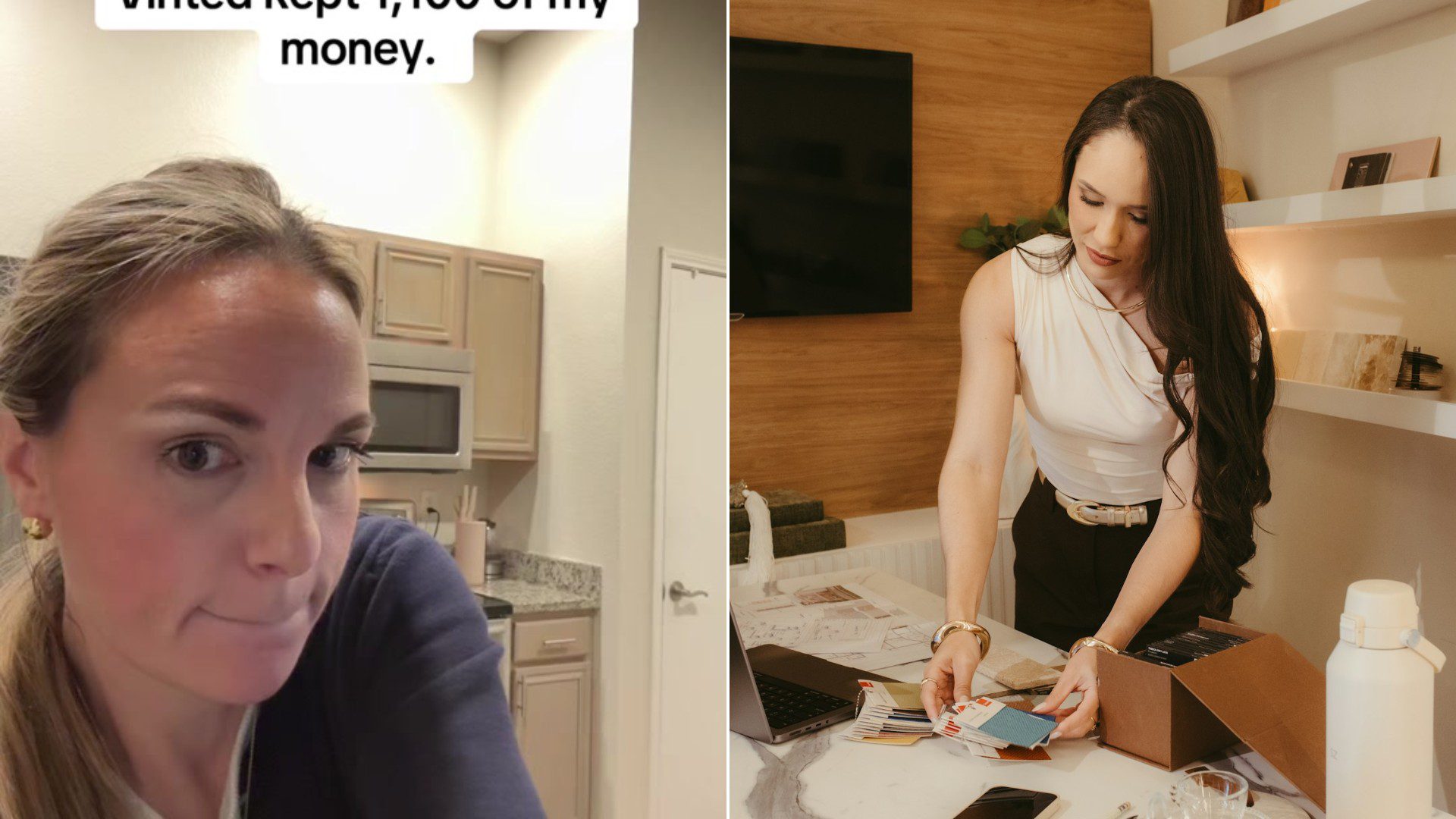
In a TikTok video, @thejenniferclements opens with a blunt line. “Vinted banned my account and still has $1,100 of my money,” she says. “I was gonna use that money for Christmas.”
Her caption speaks right to the company: “@Vinted we should probably have a chat!”
@thejenniferclements
She Says She Went “Hard And Heavy” On Vinted For About A Week
She explains that she listed and sold a lot on the app for six or seven days. Many of those orders have yet to be delivered, which means plenty of her money is still tied up in the system.
One order did arrive. According to her, the buyer did not like the item. “I don’t know what was wrong with the item,” she says. “I don’t know what expectation it didn’t meet.”
She says she never got to talk to that buyer or try to resolve it with them directly.
Refund Came Out Of Her Money, And The Buyer Kept The Item
Here is the part that made her post. She says Vinted refunded the buyer using her money, and then told the buyer to keep the item as well because that person had lost their account.
She points out that the company could do the same thing with the rest of her orders. For a seller who has spent a week listing, photographing and packing, that is a scary thought.
“I’m Not Going To Be Quiet” And A Warning About The Terms
She is not staying silent about it. “What is happening is not right,” she says. “I’m not going to be quiet.”
Her warning to other sellers is aimed at the fine print. In her words, if you read the terms and conditions, “you’re not safe using that app” and “you’re not covered using that app.”
She says she is willing to talk with Vinted and work it out, but she has demands. She says the company’s system “needs some serious improving,” and the terms and conditions “need to cover your users or you’re not going to make it in this market.”
What To Do Right Away If Your Selling Account Is Banned
Stay calm and gather information first. Save screenshots of your balance, your order history and any messages from the platform. Write down order numbers, dates and amounts.
Then contact customer support in writing so there is a record. Be polite and specific, state the balance you believe you are owed, and ask for the reason for the ban and the steps to appeal.
- Screenshot your balance, order history and any messages from the platform.
- Save buyer and seller messages and tracking numbers.
- File an appeal using the official process and keep your reference number.
- Follow up in writing at reasonable intervals.
- Keep a simple timeline of what happened and when.
Escalating When Support Goes Quiet
If support is slow, there are other steps. Consumer protection agencies, such as the Federal Trade Commission and your state attorney general’s office in the United States, accept complaints about unfair business practices. In the United Kingdom and Europe, consumer advice bodies play a similar role.
If the money moved through a card or a payment service, check whether a dispute with the card issuer or payment provider is an option. Rules and deadlines vary, so read the details for your own situation.
Protect Yourself Before You Make Your Next Sale
A few habits make any seller safer. Withdraw earnings to your bank account regularly instead of leaving large balances sitting on the platform. That way, if something goes wrong, there is less money at risk.
Always ship with tracking, take photos of every item before packing, and keep your communication on the platform. Read the buyer protection and seller rules once, since they decide who pays when a buyer says an item is not as described.
Spread Your Sales Across More Than One Platform
Relying on one marketplace for all your income is risky. If you sell regularly, consider listing on two or three sites, such as eBay, Mercari, Poshmark or Facebook Marketplace. If one freezes you out, the others keep your business going.
Keep copies of your photos and descriptions so you can relist elsewhere quickly.
Keep Records And Cash Out On A Schedule
Even small sellers should keep clear records of sales and payouts. A simple spreadsheet with dates, buyers, amounts and payout dates can make a big difference if you ever need to prove what you were owed.
Most platforms let sellers cash out once an order is confirmed as delivered. Set a calendar reminder to withdraw your balance every week or two. If you rely on resale money for bills or holiday spending, keep a small cushion so a payment delay does not leave you stuck.
Speaking Up Can Help Other Sellers
When sellers share their stories, they warn others and sometimes push companies to respond. Public attention is not a guarantee of a fix, but it often gets a second look from a support team.
If you sell online, keep good records, withdraw funds often and read the rules. And if you ever find yourself in a dispute, document everything and stay persistent. Your money is worth fighting for, and a clear paper trail is your best tool.
More Stories You May Like
- Reseller Of 18 Years Gets Fewer $3 Lowball Offers On Vinted After Bundling, Like Selling 10 Of The Same Body Wash In One Bundle For $115
- Thrifter Says A Cake Dish On A Pedestal Becomes A Snack Tray When You Flip It Upside Down, And A Wine Rack Can Hold Foil And Plastic Wrap In The Pantry
- Thrift Reseller Grabs A Sealed P90X Set For Just $8 That Sells For About $50 Brand New, Then Finds A Honeywell Thermostat For $1 At Deseret Industries