Here is a mistake that could cost an online seller dearly: believing that because no tax form showed up in the mailbox, there is nothing to report. It is a common idea, and it is not how taxes work.
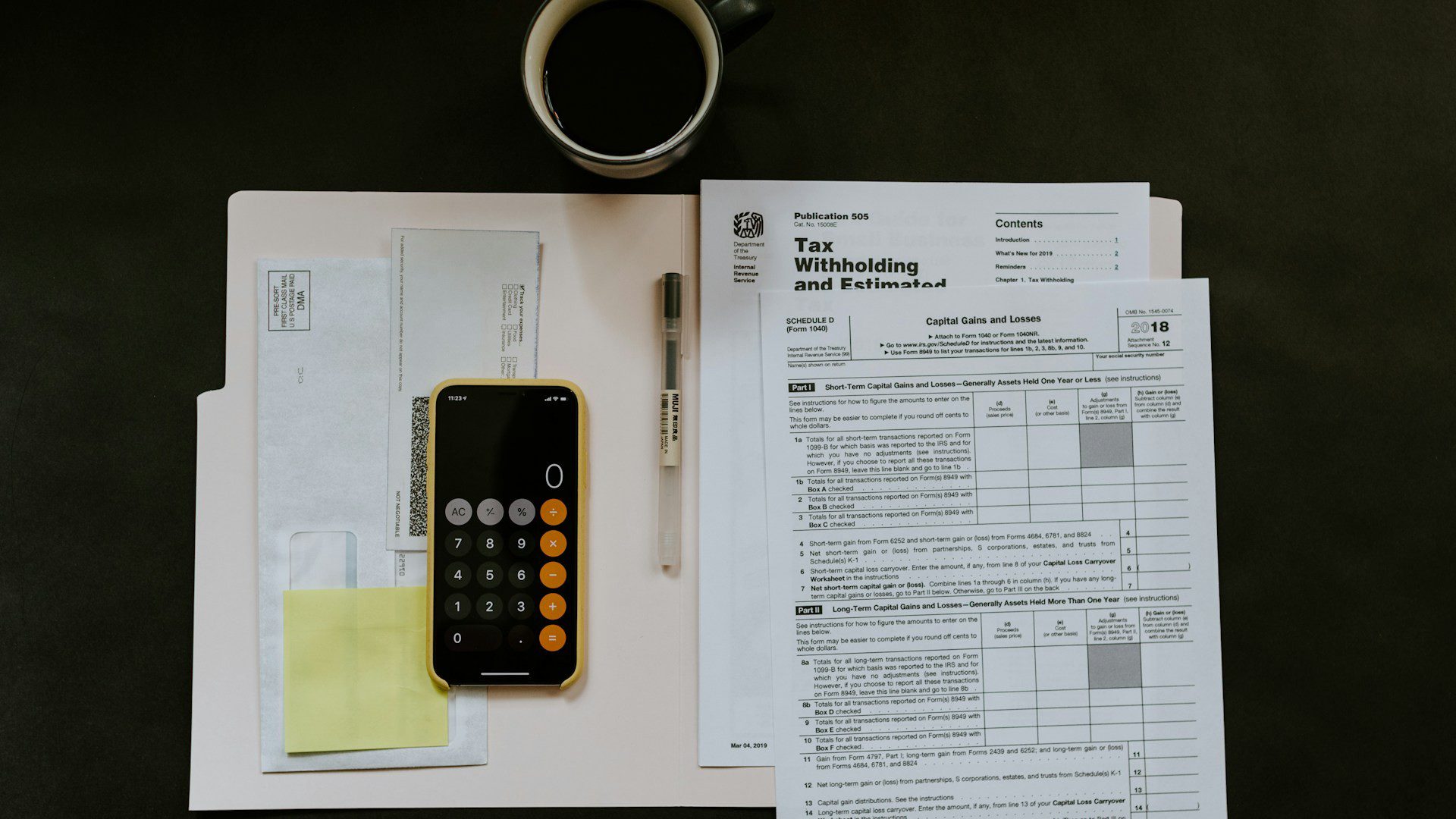
Let us start with what the Internal Revenue Service announced. In a release dated October 23, 2025, the IRS explained that under the One, Big, Beautiful Bill, third-party settlement organizations do not need to file Form 1099-K unless gross payments exceed $20,000 and the number of transactions exceeds 200.
What the rule says
Both conditions have to be met. A platform only has to send a Form 1099-K if a seller’s payments go over $20,000 and the seller has more than 200 transactions. According to the IRS, this retroactively reinstates the threshold that was in place before 2021.
If you sell a few things here and there, you will probably never reach those numbers, which means you may never get that form from a payment platform. That is where the confusion starts.
A form is not the same as a tax rule
The threshold decides what the platform reports to the IRS. It does not decide what is taxable. That is the single most important point in this story. Not receiving a Form 1099-K does not mean you owe no tax on what you earned.
Think of the form as a reporting tool for the platform, not a permission slip for the seller. If you earn income from selling online, the responsibility to keep track of it is yours, whether or not a form arrives.
It is also worth knowing that some states set lower thresholds for reporting. So even if the federal numbers do not apply to you, your state may have different rules. A quick look at your state’s guidelines is a smart move for anyone who sells regularly.
What about selling your own used stuff?
Many people who read about these rules are not running a business. They are cleaning out the garage, the closet or the kids’ outgrown toys. In general, selling used household items for less than what you paid for them is not treated as taxable income, because there is no gain. That is general information and not personal tax advice, and your own situation may be different.
The picture changes when you are buying items to resell, making things to sell, or regularly selling for more than you paid. Those activities can produce income that needs to be reported. If you are not sure which side of the line you are on, a tax professional can tell you in a short conversation.
Practical steps for online sellers
- Keep records from day one. Save what you paid for each item, what you sold it for and any fees or shipping costs.
- Use a simple spreadsheet or notebook. A running list of sales and costs makes tax time far easier.
- Separate your selling money if you can. A dedicated account makes it easier to see what is coming in and going out.
- Do not wait for a form. Whether or not you get a 1099-K, plan to track your sales yourself.
- Check your state’s rules. Some states set lower reporting thresholds than the federal one.
- Ask a tax professional if you are unsure. A short question now can prevent a long headache later.
Why people get tripped up
Most people learn about taxes through the forms that arrive each winter: a W-2 from an employer, a bank statement, maybe a 1099 for freelance work. So when an expected form does not show up, it is natural to assume the matter is closed. But those forms are simply how someone else tells the IRS what they paid you. If nobody is required to send one, the income does not vanish. It just means nobody else is reporting it for you.
That is why careful record keeping matters more for sellers who fall below the threshold, not less. When a platform tracks every sale and sends a form, it hands you a tidy summary. Without that form, the summary becomes your job. A seller with clear notes can answer any question in minutes, while a seller with nothing but a vague memory may have a hard time.
A simple way to stay ahead
Once a month, take ten minutes to update your sales list. Write down what sold, the date, the price, what you paid for it, and any fees or shipping you covered. Keep photos of receipts in a folder on your phone. That small habit takes the stress out of tax season, and it makes it easy to see whether your selling is really paying off.
Check the latest guidance
Tax rules can change, and the details here reflect the IRS announcement from October 2025. Before you file, take a look at the current guidance on IRS.gov or ask a tax professional what applies to your situation this year.
The bottom line is simple. The $20,000 and 200 transaction rule only decides whether a platform has to send a report. It does not decide whether your earnings count. If you sell online, keep good records, know your state’s rules and file honestly, form or no form. Your future self, and your mailbox, will thank you.
More Stories You May Like
- Minimalist Mom Lists The Everyday Things She Does Not Own Including A Coffee Table Curtains And Extra Kitchen Appliances And Never Misses Them
- She Spotted What Looked Like A Seventy Five Thousand Dollar Ostrich Birkin On A Thrift Store Shelf And The Price Tag Twist Was Seven Dollars
- Professional Organizer With ADHD Tells Overwhelmed Moms To Set A Fifteen Minute Timer And Only Pick Up Trash Off One Living Room Floor