


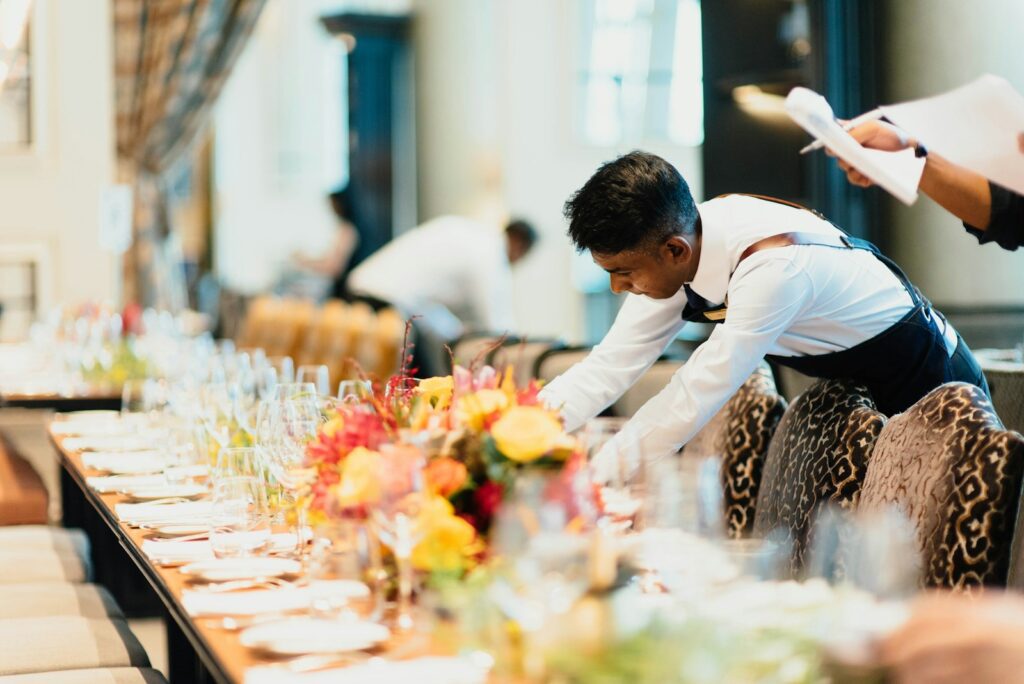
One server walked away from a grueling 10-hour shift with a $600 tip haul, only to be blindsided when her boss asked her to share a chunk of it with the kitchen staff. The restaurant, a small establishment that usually pulls in about $2,000 a day, had an unusual spike in business, raking in over $4,000 that day. It was a whirlwind of serving, cleaning tables, making drinks, packing orders, and managing the chaotic flow of customers—all without a single break.
Working alongside just one other server, she tackled nearly every aspect of the operation besides cooking and washing dishes. The other server did their best to keep up with the hectic pace, but when the shift finally ended, a surprising request came from the boss. He claimed the kitchen was busy and wanted 15 to 20 percent of the tips. Given the long hours and the usual split of tips, she felt this demand was more than a bit unfair.


To add to the frustration, she was making just $7 an hour in a state where minimum wage sits at $16. Meanwhile, the kitchen staff had the security of at least minimum wage already. As she stood there, still processing her long shift, the notion of handing over her hard-earned tips felt especially unsettling. After all, the kitchen staff had left on time, while the servers remained behind to clean up and finalize orders.
The server noted that this request wasn’t unprecedented. In fact, just a few shifts back, her boss had taken half of her tips, claiming he was helping her during a particularly busy evening. However, she remembered his idea of help involved just moving food around and directing her while she struggled to keep up with the demands of customers. This previous experience lingered uncomfortably in the back of her mind as she faced this latest ask.
In a moment of frustration, she responded to her boss’s question regarding how much she thought she should give. Instead of a clear answer, she told him, rather ambiguously, to just take whatever he wanted. It was a situation that left her feeling stuck—unable to voice her full disagreement, yet clearly unhappy with the arrangement.
People had very different reactions to her post on Reddit. Some were outright shocked that a boss would even consider taking a portion of tips. They viewed the request as an unethical move, especially given the hard work servers put in during busy shifts. Others pointed out that sharing tips might be common practice in some establishments, especially where teamwork is essential. Yet, most agreed that it shouldn’t come at the expense of a server who was already earning a meager hourly wage.
Comments ranged from outrage to sympathy. Some users expressed disbelief that this was happening in a restaurant setting, where tips are often a crucial part of a server’s income. The notion that an owner would dip into tips felt particularly wrong to many, given the hard-fought nature of those earnings. Others empathized with her situation, recalling similar experiences in their own service industry jobs. They all seemed to agree: a boss asking for a percentage of tips feels less like sharing and more like taking advantage.
This case opens up questions about the intersection of tipping, wages, and workforce dynamics. Where should the line be drawn when it comes to sharing earnings in a busy restaurant? Most people can relate to the struggle of balancing the demands of work with fair compensation, especially in a service job where tips can make up such a significant part of a worker’s income.
As the server navigates the discomfort of her situation, it raises an interesting question: in balancing fairness and teamwork in a restaurant environment, how much should employees sacrifice for one another? Is there a point where expectations can become too demanding, or is it all part of the job?
More from Decluttering Mom: