


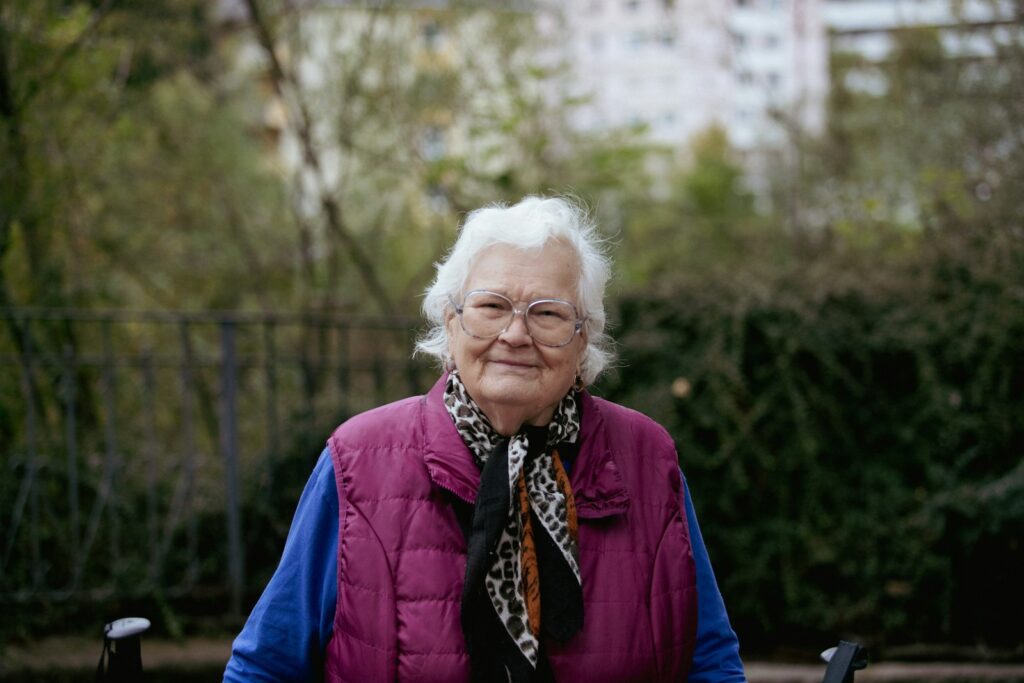
One mom found herself in a frustrating conversation that spiraled into bewilderment. Her 74-year-old grandmother, a figure entrenched in her old ways, confidently declared that acne was a form of arthritis. It was a claim that left everyone in the room scratching their heads. But that wasn’t the end of it; the grandmother also insisted that unopened milk, when left out in the open, wouldn’t spoil. The mom, trying to wrap her head around these assertions, realized the battle would be uphill, especially since her grandmother dismissed any attempts at presenting Google as a source of truth.
This interaction was emblematic of a generational divide that made communication tricky. The grandmother’s refusal to engage in any form of discussion or reasoning created an uncomfortable atmosphere. Instead of an open dialogue, the mom sensed a wall of authority. It wasn’t just about being right; it was about exerting a sense of control without offering any rationale. Phrases like “do this because I said so” became the norm, and attempts to understand her reasoning were met with resistance.


The mom’s experience with her grandmother echoed a common sentiment among younger generations navigating conversations with older family members. The older generation seems to cling to beliefs that sound outdated or simply incorrect. For the mom, this dynamic turned mundane topics into a source of tension. She loved her grandmother deeply but felt frustrated by the lack of empathy or understanding in their interactions.
Some might find it amusing that a grandmother would confidently mix up dermatological terms with joint ailments. Others might see it as a reflection of deeper issues related to aging and the gaps in knowledge that can arise when technology and science progress rapidly. Regardless of perspective, the moment felt bewildering to those caught in it.
As the conversation unfolded, it became clear that the mother wasn’t alone in her struggles. People had very different reactions to her post. Some sympathized with her plight, recalling their own battles with stubborn family members who held onto outdated beliefs. They found themselves in similar situations, where simply trying to explain modern concepts felt like scaling a mountain.
Others pointed out that the grandmother’s confidence, while misplaced, was likely rooted in years of experience. Some commenters suggested that trying to find middle ground could be more productive. They advised the mom to pick her battles, perhaps steering the conversation toward areas where the grandmother might be more open to discussion. However, that seemed easier said than done, considering the ingrained habits of someone set in their ways.
Additionally, there were those who found humor in the absurdity of the situation. They chuckled at the image of a grandmother confidently asserting her opinions about milk while disregarding cold, hard facts from the Internet. It seemed almost like a trope straight out of a sitcom—a quirky grandmother who refuses to acknowledge the modern world while her family tries to reason with her.
The mom reflected on how this interaction was just one of many instances where simple conversations became entangled in confusion. It raised broader questions about communication and understanding across generations. While love was a constant in these familial bonds, acceptance of differing beliefs often proved difficult.
While some viewers of the discussion found solidarity and shared experiences, others simply shook their heads at the grandmother’s stubbornness. There was a collective sense of disbelief that someone could refuse to accept factual information so readily available. It wasn’t just about the specific claims made; it was about the broader implications of navigating an ever-evolving landscape of knowledge and trust.
Ultimately, the conversation left the mom wondering how to approach future interactions with her grandmother. Would it be worth the effort to challenge her beliefs, or was it best to smile and nod, allowing her grandmother to feel secure in her convictions? The struggle of balancing respect for an elder with the desire for clarity and correctness loomed large. It felt like a dance between love, frustration, and confusion, leaving everyone involved a bit unsettled.
More from Decluttering Mom: