Every parent has a line they repeat at the dinner table without thinking. For one mom who posts as @cactustate, it is a request to take five more bites. She shared a comic story about the afternoon her young daughter used that exact line against her, and the way the whole thing ended left her calling the little girl a genius. Her own description of it was simple: “I know that was a power play.”
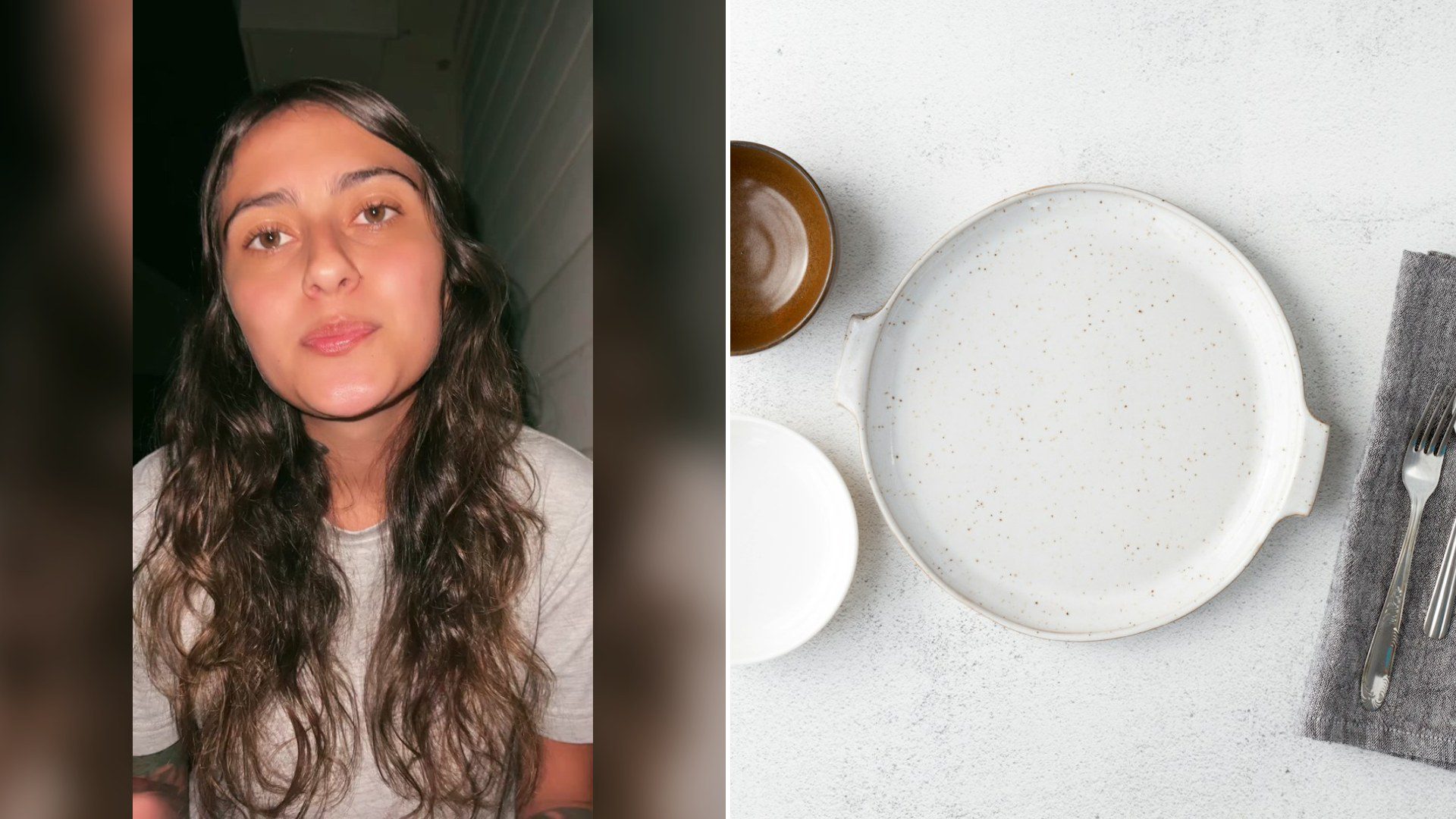
@cactustate
The Lunch That Started It
She says it began at lunch. She was sitting next to her daughter, took a couple of bites and realized she was no longer hungry, because she had waited too long to eat. So she stood up to wrap her plate for later.
Her daughter stopped her. In the mom’s telling, the little girl said, “Mommy, you didn’t eat enough.” The mom answered that she was not hungry. Then her daughter looked her dead in the eye and announced that she was going to need her to take five more bites before she could leave the table.
Indignation, Then Surrender
Her first reaction, she says, was indignation. She thought of herself as the captain of the ship, and nobody tells the captain what to do. But then it sank in. She says she always asks her daughter to take five more bites, so what kind of person would refuse to do the same? She sat back down and ate five more bites.
What came next is the part she says she did not see coming. Her daughter rubbed her back and told her she did a good job and that she was proud of her. They hugged, and the mom felt good.
The Turn
Then she looked over her daughter’s shoulder and saw the girl’s plate. She had not eaten much. Believing she had just led by example, the mom asked her daughter to take five more bites too. Her daughter did not hesitate. She said no, told her mom she could go ahead and put it up for her, grabbed her Barbie and Skipper dolls and walked off to her room.
The mom admits she had been played. She used words like bamboozled, offended and gullible, and she added that she was a little proud. Her verdict was that her daughter is a genius, “an evil genius, but a genius nonetheless.”
Why This Story Resonates
Readers who responded to her post had plenty to say. One person said she fears for the world when the girl grows up, since she is already unstoppable. Another pointed out something sweet: the little girl got her mother to nourish herself. A third offered a different reading, that kids do not ask because they want a parent to feel pain, but because they care a great deal about the person they love. It is a generous way to see a toddler negotiation.
There is real truth in that. Young children copy what they see and hear, and the words we use at mealtime often come right back to us, sometimes at the least convenient moment. A child who tells a parent to eat more is mirroring the care she has experienced. She has learned that taking care of someone means making sure they are fed.
What Parents Can Take From It
The funny part of the story is the ending, but it also touches on a question many parents wrestle with. How much should we push children to eat? Here are a few ideas to consider, offered as general suggestions rather than medical advice:
Notice the language you use. If a phrase like “five more bites” is on repeat in your house, your child is learning how mealtime conversations work. Treat it as a model for how you want food discussed.
Offer, do not force. Many pediatric feeding experts recommend that parents decide what food is served and when, while children decide whether to eat and how much. Pressure can make mealtimes tense, while relaxed meals tend to go better.
Try a taste instead of a count. Some families ask for one bite of a new food rather than a fixed number of bites, which keeps the request small and the stakes low.
Let kids serve themselves when they can. Small portions with the option for seconds give children a sense of control, which is often what they are really negotiating for.
Be a good example. Children notice what we eat, how we talk about food and whether we sit down with them. Eating together, even a few nights a week, makes a difference in how they see mealtime.
Keep it light. The mom in this story laughed at herself, and humor takes the edge off a standoff that could otherwise turn into a power struggle.
Check in on yourself too. Busy parents often skip meals and eat late, as this mom did when she waited too long to eat. Sitting down with a plate of your own matters.
Talk to your pediatrician about real worries. If a child is consistently refusing food, losing weight or seems unwell, that is a conversation for a doctor, not a dinner table battle.
A Lesson in Role Reversal
For grandparents and parents who remember their own children’s early negotiations, the story is a reminder of how quickly little ones learn to use the family’s rules. Some rules we set for them become tools they use on us. Her daughter did not only demand five bites. She offered comfort and praise after the mom complied, then declined to do the same thing herself. That mixture of generosity and cunning is what makes toddlers both exhausting and delightful.
In the end, @cactustate got to finish her lunch, her daughter got to play with her dolls, and nobody was hurt by the exchange. The next time you hear your own words coming back at you from a small voice across the table, take a breath, laugh, and take your five bites. It may be the most effective parenting lesson of the day.