


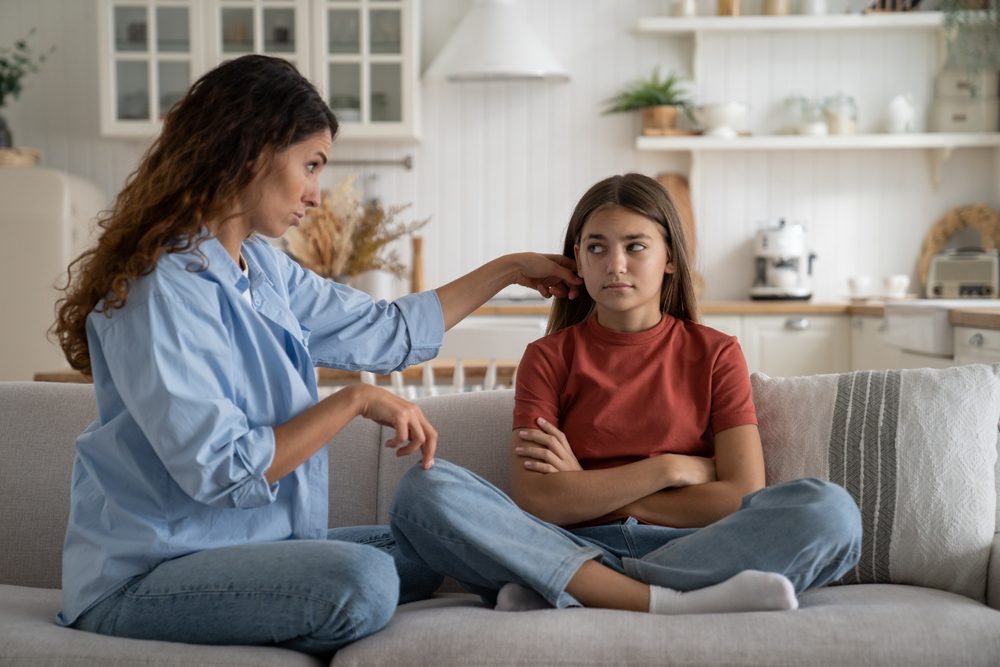
One mom was caught off guard when her three-year-old daughter reacted in a way that left her feeling unsettled. After scolding her for hitting her little sister, she reached out to comfort her only to see her daughter flinch — eyes clamped shut, arms raised instinctively to shield her face. It was an unsettling moment that raised immediate concerns.
In recent months, the child had shown signs of behavioral shifts. Once sweet and gentle, she had become more defiant and moody, frequently hitting her sibling. The mom had attributed these changes to typical three-year-old behavior, but this flinching made everything feel different. Something deeper seemed to be going on, and the reaction from her daughter suggested fear rather than just a reaction to being reprimanded.


After the startling incident, the mom began to question what might be happening. There was a new arrangement in their family dynamic; the father now had the girls stay at his house on weekends while the mom worked long hours. This change, combined with the flinch, pushed her to wonder if something concerning was happening during those visits. Did her daughter feel unsafe? Was there a reason for such a defensive reaction?
People had very different reactions when they read her post. Some were quick to point out that flinching often indicates a fear of physical harm, stemming from experiences like hitting or aggressive behavior. They urged the mom to talk to her daughter about why she reacted that way. They noted that if the child was indeed facing any kind of emotional or physical issues at her father’s house, it would be crucial to intervene early to avoid lasting damage.
Others suggested addressing the immediate reaction first. They recommended asking the toddler what made her flinch, emphasizing that open communication could offer insights into her feelings and experiences. This approach was seen as a way to help the child feel safe and understood without jumping to conclusions about the father’s behavior.
Some commenters reflected on their own childhoods, sharing stories of similar experiences. They noted how flinching was often a learned response to fear or anxiety, highlighting the need for careful consideration of the child’s emotional environment. Hearing these personal anecdotes added a layer of complexity to the situation — reinforcing that childhood behavior can have deep roots and implications.
The mom’s fears about her daughter’s safety weren’t unfounded. Many responses pointed out the importance of closely monitoring children’s emotional well-being, especially when they suddenly change in ways that might suggest distress. The insights shared by others helped frame the discussion around not just the behavior of the child but also the potential influences from her surroundings, particularly during visits with her father.
As the conversation unfolded, it became clear that many parents shared a common concern for their children’s safety and emotional health. The reactions varied widely, from those advocating for immediate action to protect the child, to others who emphasized gathering more information before making any decisions. This spectrum of opinions illustrated the complexities involved in parenting and communication.
In the end, the situation raised a lot of questions. How should one mom approach her daughter about the flinch? What if the reactions from the little girl were rooted in something deeper? Would talking to her father be necessary? Or would it complicate things further? The uncertainty left many pondering the right path forward, reminding everyone that understanding a child’s behavior is often more intricate than it appears.
More from Decluttering Mom: