

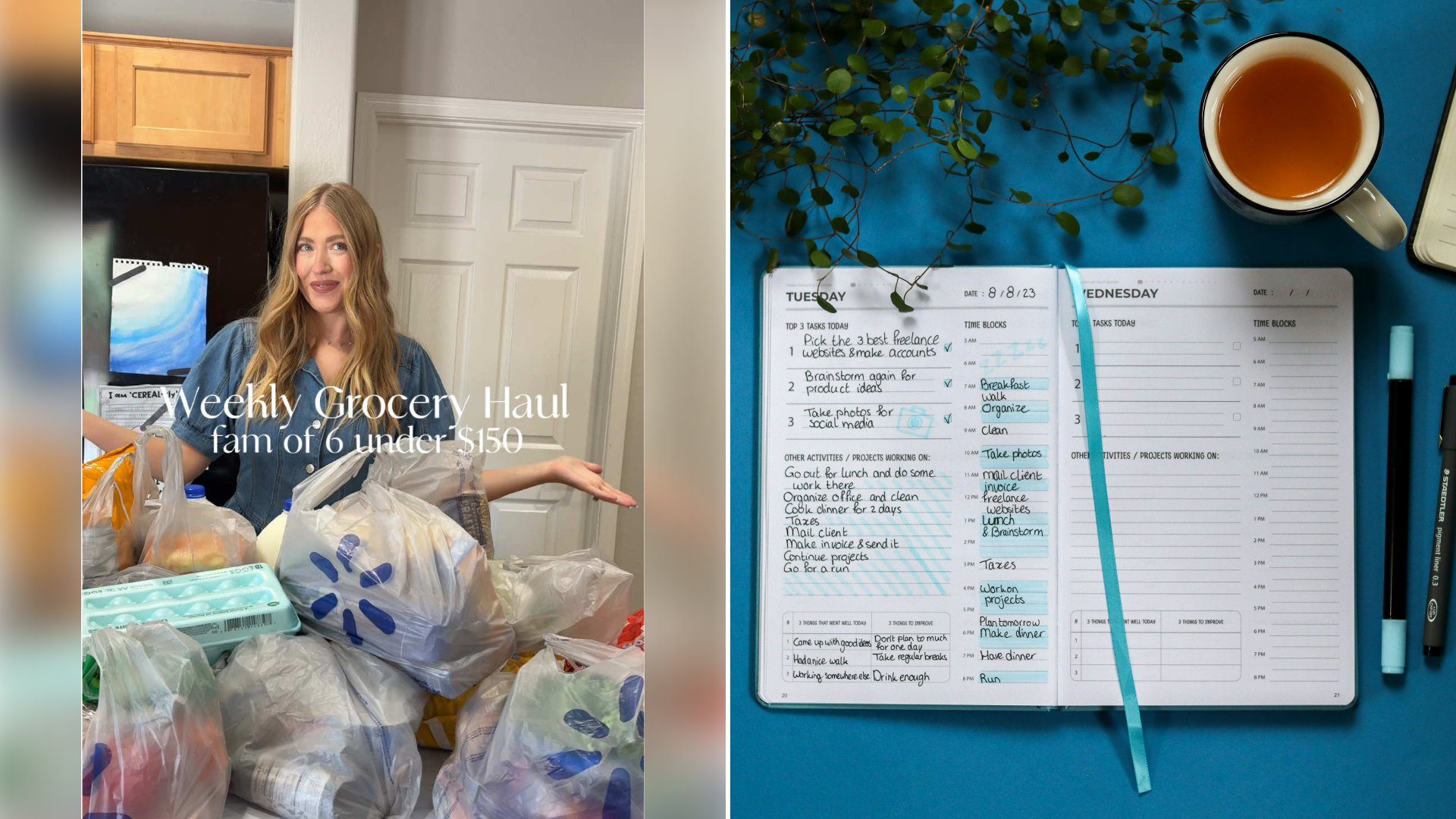
Feeding a family of six is expensive, and for one mom it used to cost $300 every single week. Then she set herself a challenge. @victoriafarnsworth17 says she now shops at Walmart for under $150 a week and still covers breakfast, lunch, dinner and snacks for everyone at home.

@victoriafarnsworth17
Where the spending started
She says about a year ago she began taking her grocery trips much more seriously. Before that, she explains, she used to go into the store pretty mindlessly and pick up whatever sounded good. Her family was spending $300 every single week on groceries, and she adds that this figure did not even include what they spent eating out.
Those are her own numbers, shared on social media, and her receipts and totals have not been independently checked. Prices vary by store and by region, so your own results may look different. Still, the pattern she describes is one many families will recognize.
The challenge she set
Her solution started as a challenge to herself: stay within a $150 weekly grocery budget. She says she has kept to it pretty consistently for the past year. A few months ago she raised her budget to $200 a week, but she says the family still pretty much always sticks to the $150 mark.
She describes the change as a fun little challenge that turned into more of a lifestyle change. In her haul, she says she spent less than $150 at Walmart, and that everything she bought will feed the family for the full week, including breakfast, lunches, dinners and snacks.
Two habits that made the difference
She points to two changes. The first is that she now plans her dinners, which she says she never used to do. The second is that she shops with intention and from a list, which she also says she never did before. In her words, those two habits have saved her family so much money.
Neither habit requires coupons, special apps or a complicated system. They just require a little time before the trip, which is why they are so easy to copy.
How to plan dinners for the week
If planning meals feels like a chore, keep it simple. Sit down once a week with a pen and paper, or a notes app on your phone. Write down seven dinners, or fewer if you plan on leftovers. Check what you already have in the fridge, freezer and pantry, and build meals around those items first.
A few ideas help the plan stick. Choose a few budget friendly staples such as rice, beans, pasta, eggs and frozen vegetables. Pick one night for leftovers. Repeat meals your family already loves instead of trying seven new recipes in a week. Write the plan where everyone can see it, such as on the fridge, so nobody has to ask what is for dinner.
How to shop from a list
A list works best when it comes straight from the meal plan. Go through each recipe and write down only what you do not already have. Group the list by store section, such as produce, dairy, meat and pantry, so you walk the aisles once and avoid wandering.
Some other habits help. Eat before you go, because shopping hungry leads to extra snacks. Set a firm limit for the trip, and keep a running total in your head or on your phone calculator. Compare unit prices on the shelf tags, not just the sticker price. And if an item is not on the list, ask yourself if you truly need it this week.
Do not forget breakfast, lunch and snacks
Dinner usually gets the most attention, but she says her haul covers every meal. Breakfast and lunch can add up quietly, especially with a house full of kids. Simple bases like oatmeal, eggs, toast, fruit, sandwiches and leftovers keep these meals affordable. For snacks, whole items you can portion yourself, such as popcorn kernels, fruit or a block of cheese, tend to cost less than single serve packages.
Eating out is part of the budget too
She notes that her old $300 weekly total did not even include restaurants or takeout. That is a useful reminder. When dinners are planned, there is less pull toward a last minute drive through run on a tired weeknight. Some families set aside a small amount for eating out and treat it as an occasional treat instead of a default.
Keeping the budget realistic
Her story is a good reminder to set a goal that fits your family. She started with $150, moved the limit to $200, and says the family still tends to land near the lower number. That flexibility matters. A budget that is too tight can cause burnout, while one that is a little roomier can still save real money compared with a mindless shopping trip.
If you want to try this, start by looking at your last few receipts to learn your starting point. Then choose a target that feels like a stretch but not a punishment. Track your total each week, and adjust as prices, seasons and your family’s needs change. Remember that grocery prices vary by store and by region, so a plan that works in one area may need tweaks in another.
A simple weekly routine
It helps to give the habit a regular time. Pick one day to check the pantry, plan the meals and write the list, and another day to shop. Keeping the routine steady turns it from a project into a habit, and a habit takes far less effort than a fresh decision every evening at five o’clock. Over time, many families find that the planning step takes only ten or fifteen minutes.
The takeaway
In her telling, the savings did not come from a secret trick. It came from deciding to be intentional: plan the dinners, write the list and stick to it. Whether your goal is $150, $200 or just a little less than last week, a few minutes of planning before you walk into the store can make a real difference.